Condo Or Historic Home In Stowe Village? How To Decide
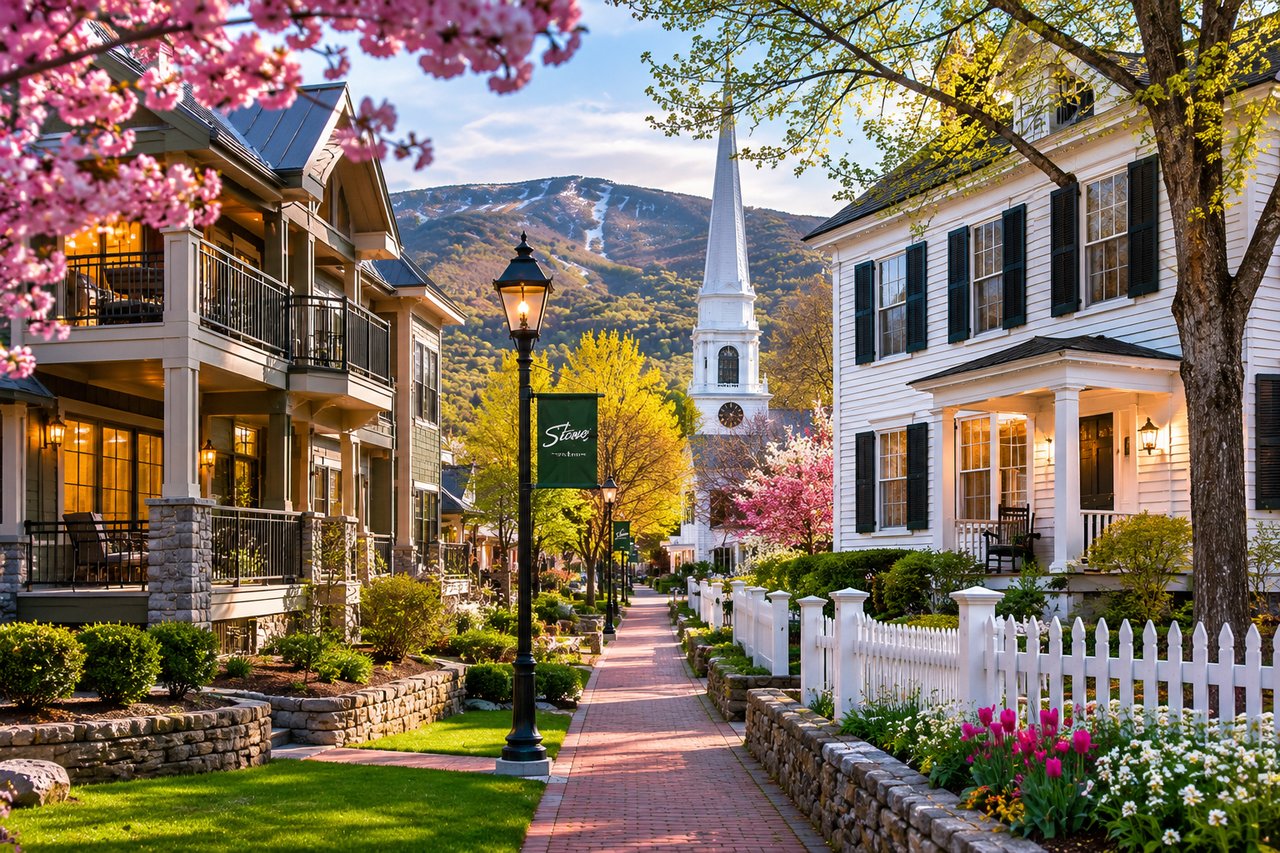
Trying to choose between a condo and a historic home in Stowe Village?
It is a common decision, and the right answer usually depends less on what sounds charming and more on how you actually want to live day to day.
Some buyers prioritize simplicity and convenience. Others care more about character, privacy, and having a home that feels deeply connected to the village itself.
If you understand how ownership, upkeep, and local considerations work in Stowe Village, the decision often becomes much clearer.
Let’s dive in.
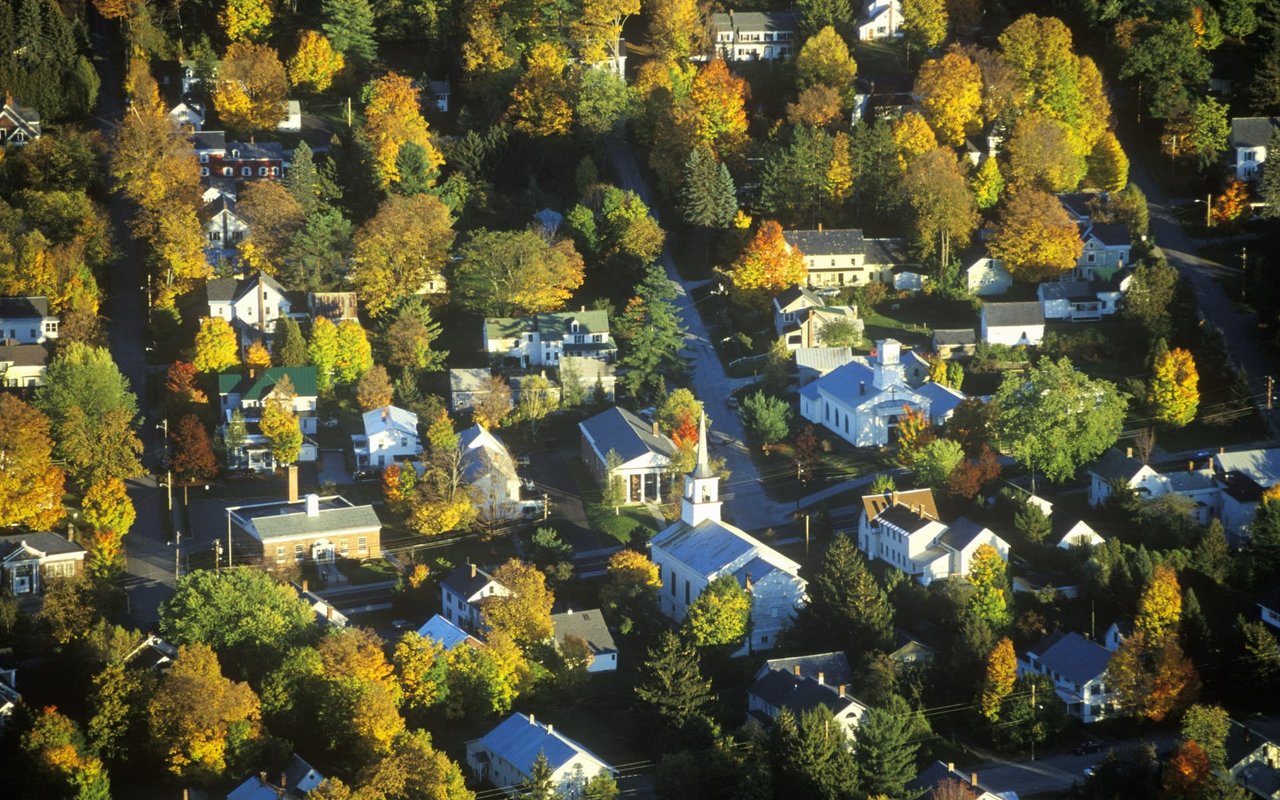
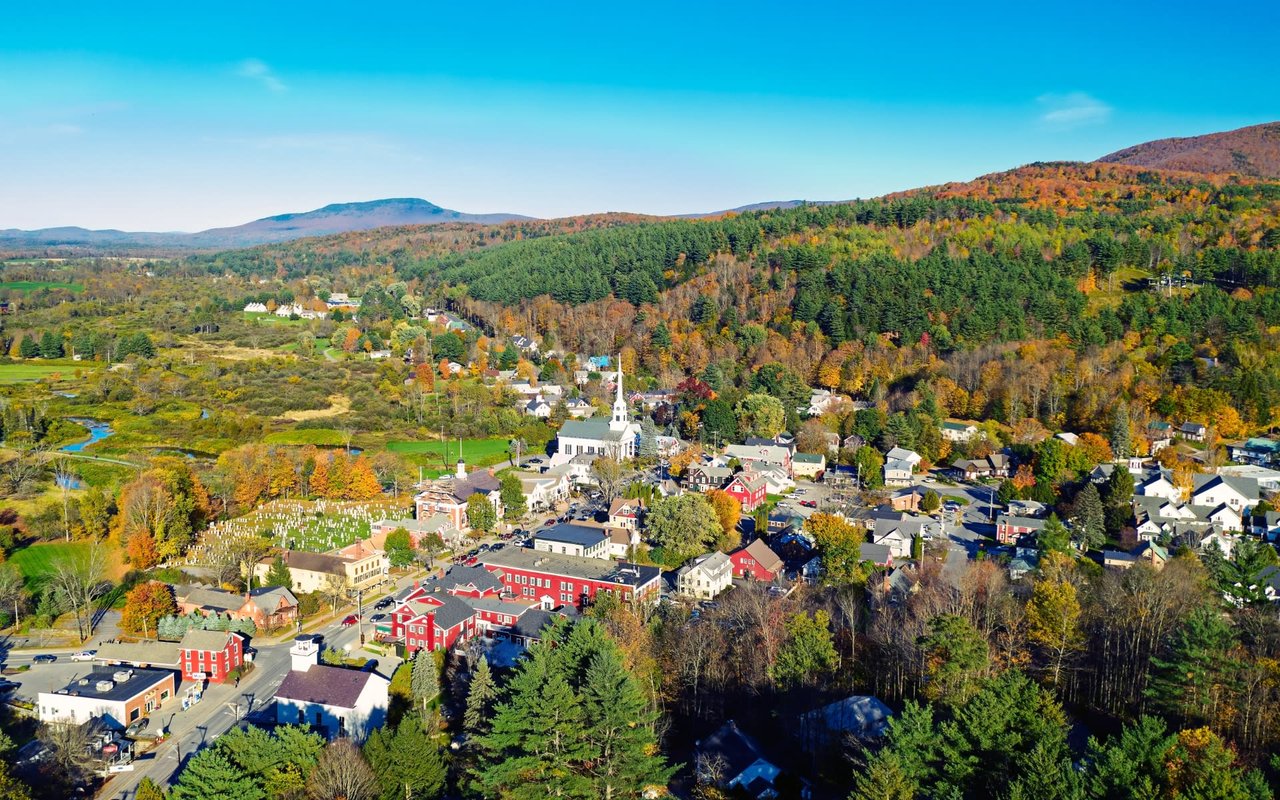
Stowe Village is not just another neighborhood.
The village remains the heart of the community, with a compact and walkable layout centered around:
Restaurants and cafés
Historic buildings
Shops and galleries
Public gathering spaces
Community events
Recreation access
The Stowe Recreation Path also begins in the village and extends more than five miles toward Topnotch, connecting neighborhoods, businesses, lodging, and scenic public areas along the way.
That setting matters when comparing condos and historic homes because both offer access to the same village lifestyle — just in very different ways.
The village also includes historic preservation areas such as the Stowe Village Historic District and portions of the Historic Overlay District. As a result, some exterior property changes may require local review and approval, particularly for historic homes.
For some buyers, that added preservation layer helps protect the character of the village. For others, it may feel more restrictive.
A condo in Vermont usually means owning your individual unit while sharing ownership and maintenance responsibilities for common property areas with other owners through an association.
In practical terms, condo ownership often means:
Less direct exterior maintenance
Shared upkeep responsibilities
More predictable day-to-day ownership
Easier part-time or second-home use
Shared budgeting for exterior repairs and common spaces
For many buyers, condo ownership is ultimately about convenience.
Instead of spending weekends managing exterior maintenance, snow removal, landscaping, or building repairs, owners can often spend more time enjoying the village, the mountains, and the surrounding recreation.
For second-home buyers especially, that simplicity can be a major advantage.
Condos often appeal to buyers who want:
Easy walkability to the village
Lower-maintenance ownership
Simpler lock-and-leave living
Easier seasonal or part-time use
Shared exterior upkeep
Access to village activity without managing a larger property
For many owners, condo living means arriving Friday evening, parking the car, and spending the weekend enjoying Stowe instead of managing property tasks.
That ease can become especially valuable during Vermont winters.
Condo ownership can simplify maintenance, but it does not eliminate due diligence.
Before purchasing, buyers should still review:
Association rules
Monthly dues
Reserve funding
Budget history
Any past or potential special assessments
Those details help buyers better understand both current ownership costs and possible future expenses.
The overall health of the association can significantly affect the ownership experience over time.
Privacy can also feel different in a condo environment. Depending on the property, owners may share walls, parking areas, outdoor spaces, or building amenities with neighbors.
For some buyers, that tradeoff is well worth the convenience.
For others, more independence becomes important.
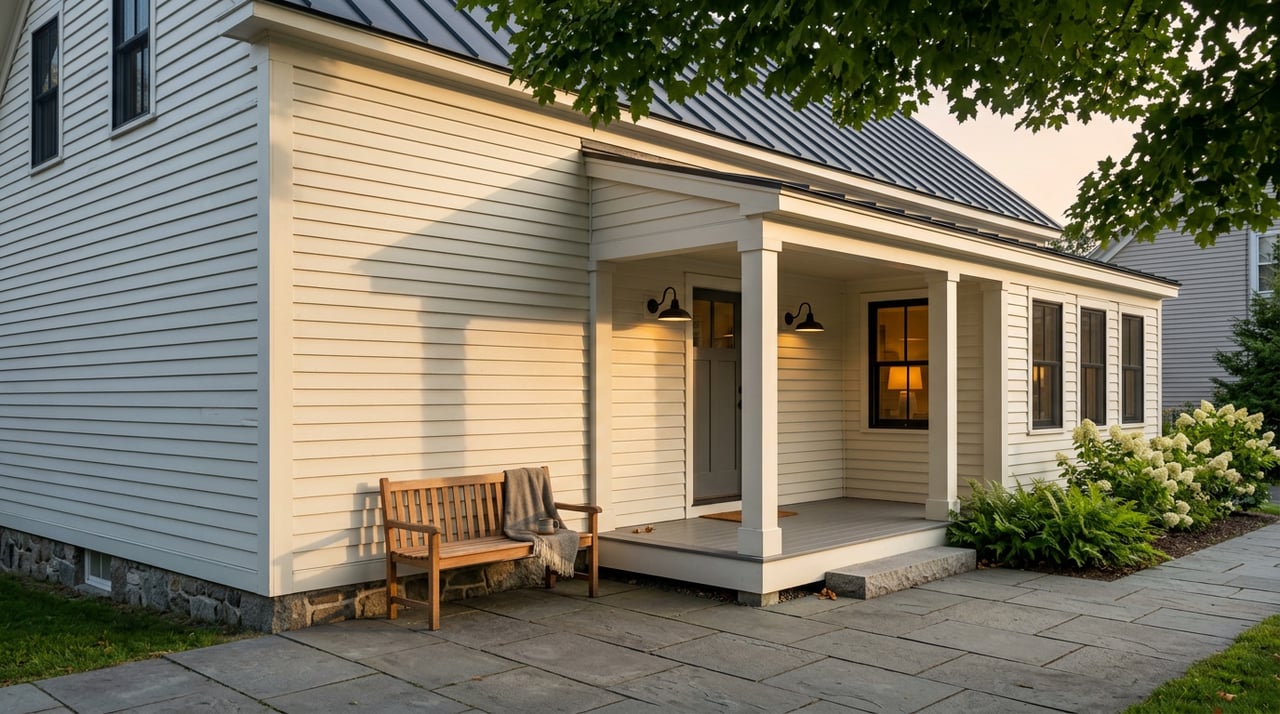
A historic or single-family home in Stowe Village offers a very different ownership experience.
For many buyers, the appeal comes down to:
Architectural character
Privacy
Yard space
Storage
Individuality
A stronger connection to the village’s historic identity
Historic homes often feel deeply tied to the atmosphere that makes Stowe recognizable in the first place.
Instead of a more shared ownership structure, owners typically have direct control over the property itself — but also greater responsibility for maintenance, repairs, and long-term upkeep.
For some buyers, that responsibility feels rewarding.
For others, it can feel overwhelming depending on lifestyle and expectations.
If a property falls within the Historic Overlay District, some exterior changes may require local review or approval.
This generally matters most for:
Significant exterior alterations
Additions
Demolition
Structural changes affecting appearance
Major reconstruction work
Interior renovations and ordinary maintenance that do not substantially change exterior appearance are often less affected.
For buyers who value preservation and historic character, these guidelines can feel worthwhile because they help maintain the visual identity of the village.
For buyers hoping to dramatically redesign a property exterior, the process may require additional planning and patience.
As with many historic Vermont homes, older properties may come with additional considerations.
Buyers should pay attention to:
Age of major systems
Insulation and energy efficiency
Foundation condition
Heating systems
Roofing
Lead-safe renovation requirements for older homes
Long-term maintenance expectations
That does not make historic homes a poor investment. In fact, many buyers specifically seek them out because of their charm and uniqueness.
It simply means ownership often requires a more hands-on mindset than condo living.
Some historic properties may also qualify for certain preservation-related tax incentive programs tied to rehabilitation or improvement work, though buyers should always verify eligibility directly with qualified professionals and local resources.
| Priority | Condo | Historic Home |
|---|---|---|
| Exterior upkeep | Often shared through the association | Usually owner responsibility |
| Ownership style | Shared/common-interest structure | Independent ownership |
| Privacy | Often more limited | Often greater |
| Maintenance demands | Typically lower | Typically higher |
| Monthly costs | HOA dues common | No HOA dues unless applicable |
| Flexibility for exterior changes | Association rules may apply | Historic review may apply |
| Character and individuality | Varies by property | Often a major strength |
| Second-home convenience | Often very strong | Depends on upkeep needs |
Condos are often a strong fit for:
Second-home buyers
Frequent travelers
Downsizers
Buyers seeking simpler ownership
People prioritizing convenience and walkability
If your ideal weekend involves walking to coffee, enjoying the village, using the rec path, and minimizing maintenance responsibilities, condo ownership may align very well with your lifestyle.
Historic homes often appeal to buyers who want:
More privacy
Architectural character
Outdoor space
Greater individuality
Long-term personalization potential
A home that feels deeply connected to Stowe’s identity
This path usually makes the most sense for buyers who are comfortable with more active ownership and long-term maintenance planning.
In return, many owners feel they gain a stronger sense of place and a more distinctive living experience.
Both condos and historic homes benefit from the same underlying strengths that continue attracting buyers to Stowe Village:
Walkability
Historic atmosphere
Recreation access
Strong community identity
Four-season appeal
Still, resale patterns can differ.
Condos may appeal strongly to buyers prioritizing convenience and lower day-to-day upkeep. Buyer interest can also be influenced by HOA dues, reserve funding, and overall association health.
Historic homes often stand out because of character, location, and individuality. At the same time, some buyers may hesitate if the home requires significant maintenance, renovation planning, or historic-review considerations.
Neither path is inherently stronger.
They simply appeal to different types of buyers.
The best choice usually becomes clearer when you focus less on the property itself and more on how you want ownership to feel.
Ask yourself:
Do you want shared upkeep or direct control?
How important is privacy?
Are monthly dues worth reducing maintenance responsibilities?
Would historic-review guidelines bother you?
Are you comfortable with older-home upkeep?
Will this be a full-time residence, second home, or part-time retreat?
The answers to those questions often point naturally toward the better fit.
If convenience, walkability, and easier ownership are highest on your list, a condo may be the smarter move.
If character, individuality, and privacy matter most, a historic home may feel far more rewarding despite the added responsibility.
In Stowe Village, neither option is automatically better.
The real goal is finding the ownership style that best matches your lifestyle, priorities, and long-term plans.
If you are comparing condos, village homes, or historic properties in Stowe, Coldwell Banker Carlson Real Estate can help you evaluate the differences with locally informed guidance.
Condo ownership usually means owning your individual unit while sharing maintenance and common property responsibilities through an association.
Buyers should review association rules, monthly dues, reserve funding, budgets, and any history of special assessments.
Some exterior changes may require local historic review if the property falls within the Historic Overlay District.
Older homes may require more ongoing upkeep and renovation planning, but many buyers value them for their character and individuality.
For many buyers, condos offer easier lock-and-leave ownership and lower day-to-day maintenance responsibilities.
Historic homes often appeal to buyers seeking architectural character, privacy, individuality, and a stronger connection to the village’s historic atmosphere.
Market Update

If you’re looking for the largest selection of real estate available in our area, you’ve come to the right place and we’re here to help you.