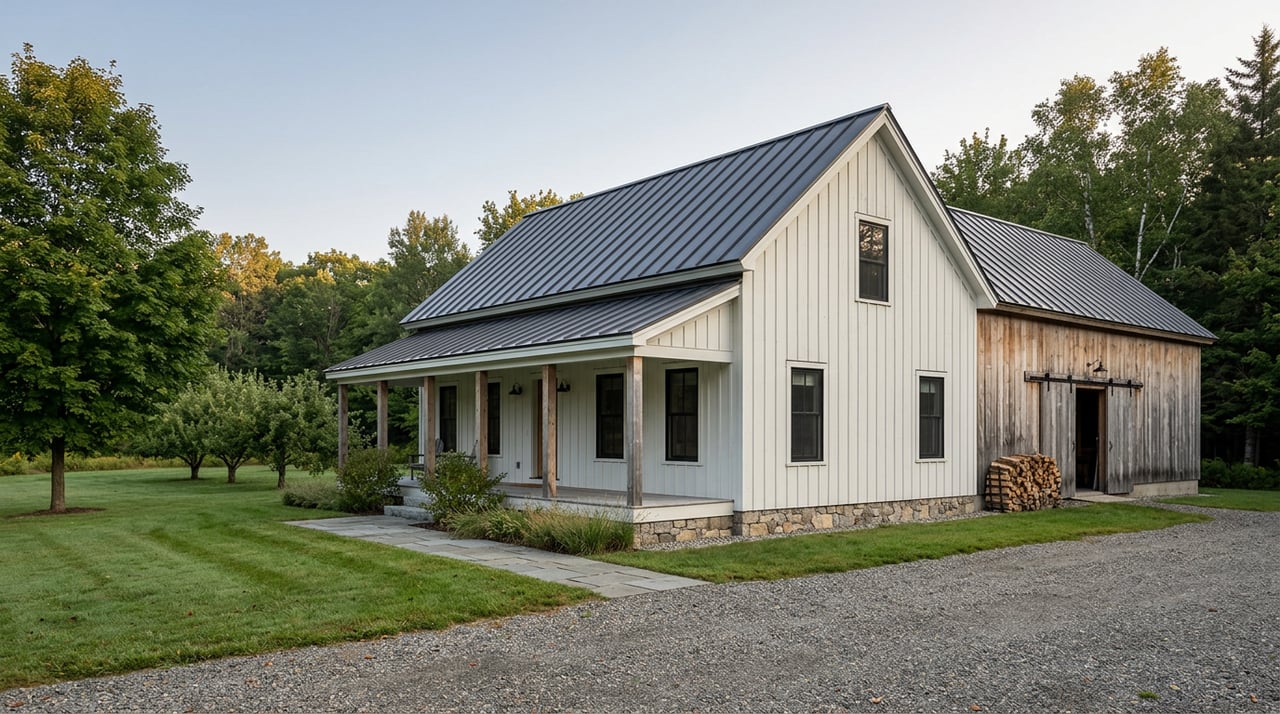
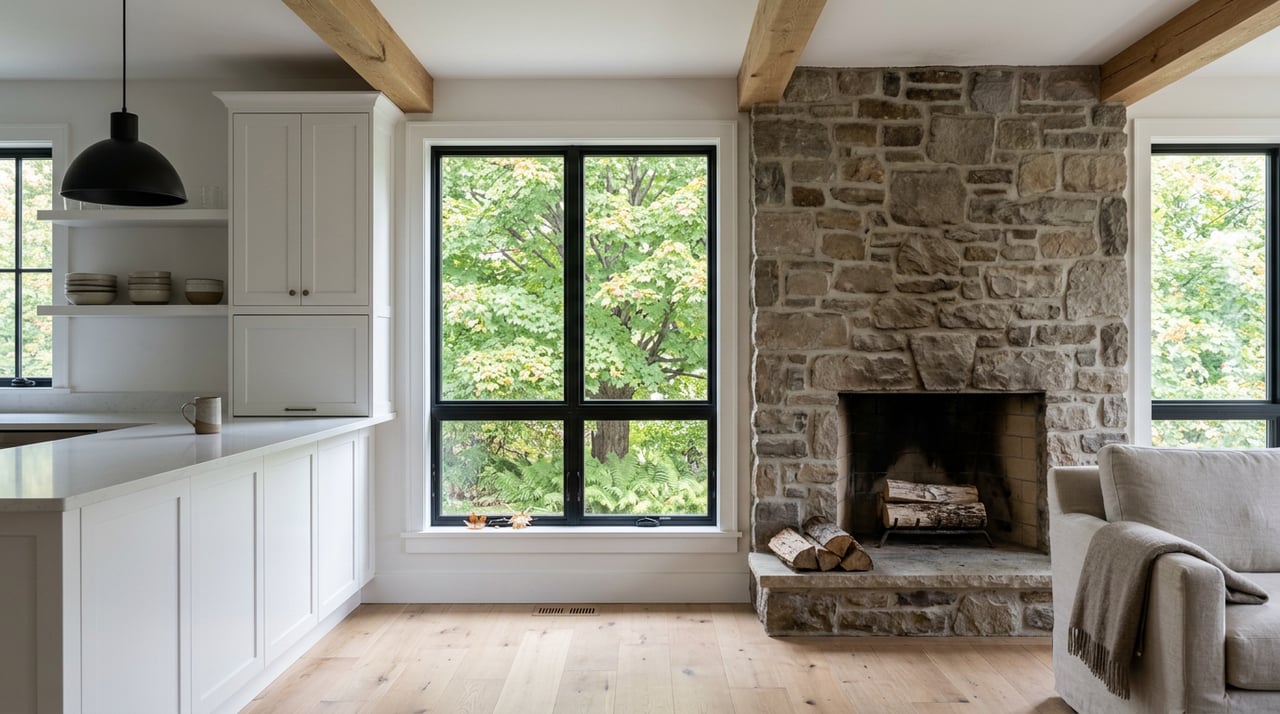
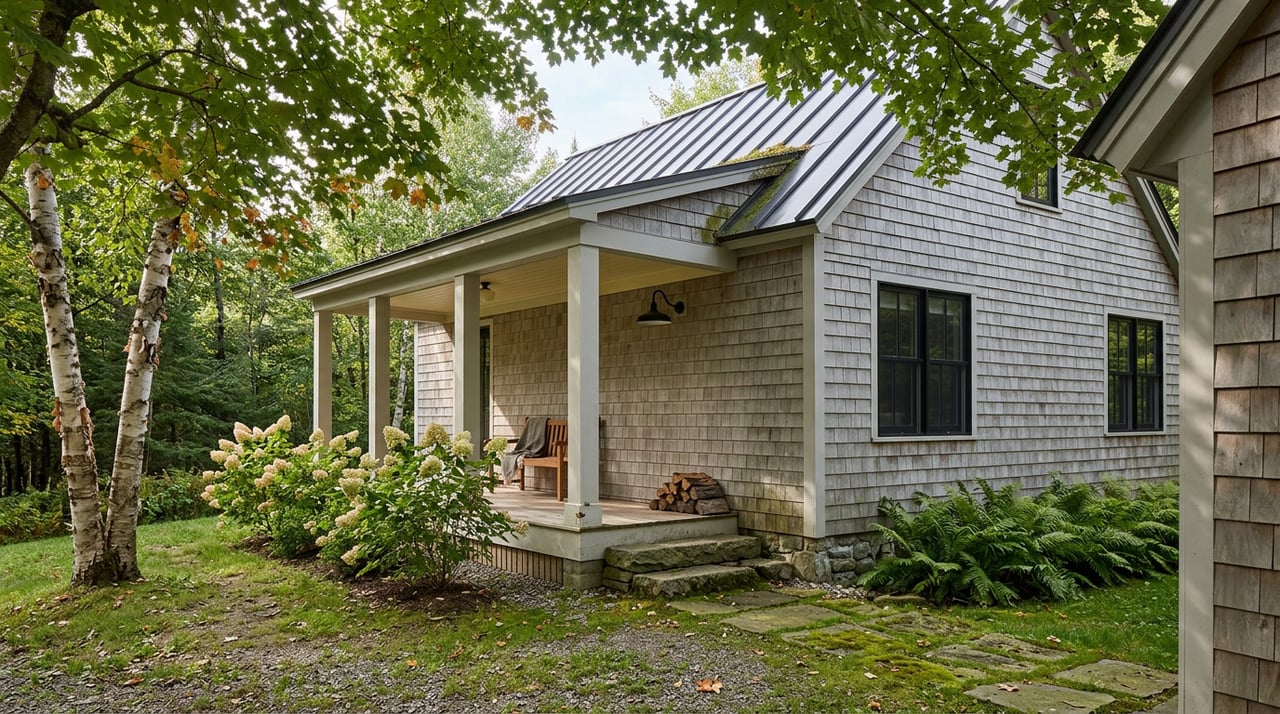
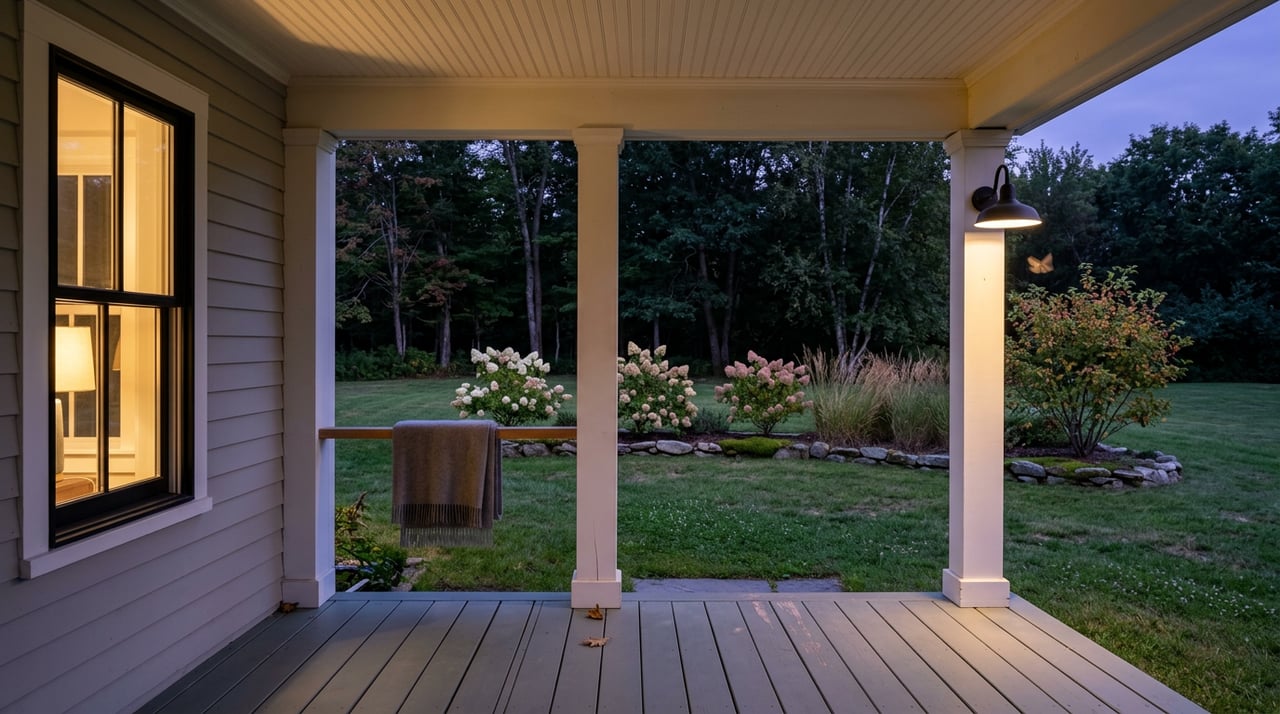
Looking for a place where you can grow a garden, keep a few animals, or add a workshop without taking on a massive farm? A small-acreage homestead in Wolcott may offer the kind of flexibility and rural setting you want. If you are considering property in this part of Lamoille County, it helps to understand how land use, water, wastewater, and site features can shape what is possible. Let’s dive in.
Wolcott has the rural scale many buyers picture when they think about a Vermont homestead. It is the easternmost town in Lamoille County, spans 40.5 square miles, and had a population of 1,670 in the 2020 Census. With more than 55 miles of roads, buyers will see a dispersed settlement pattern where road access and site layout matter.
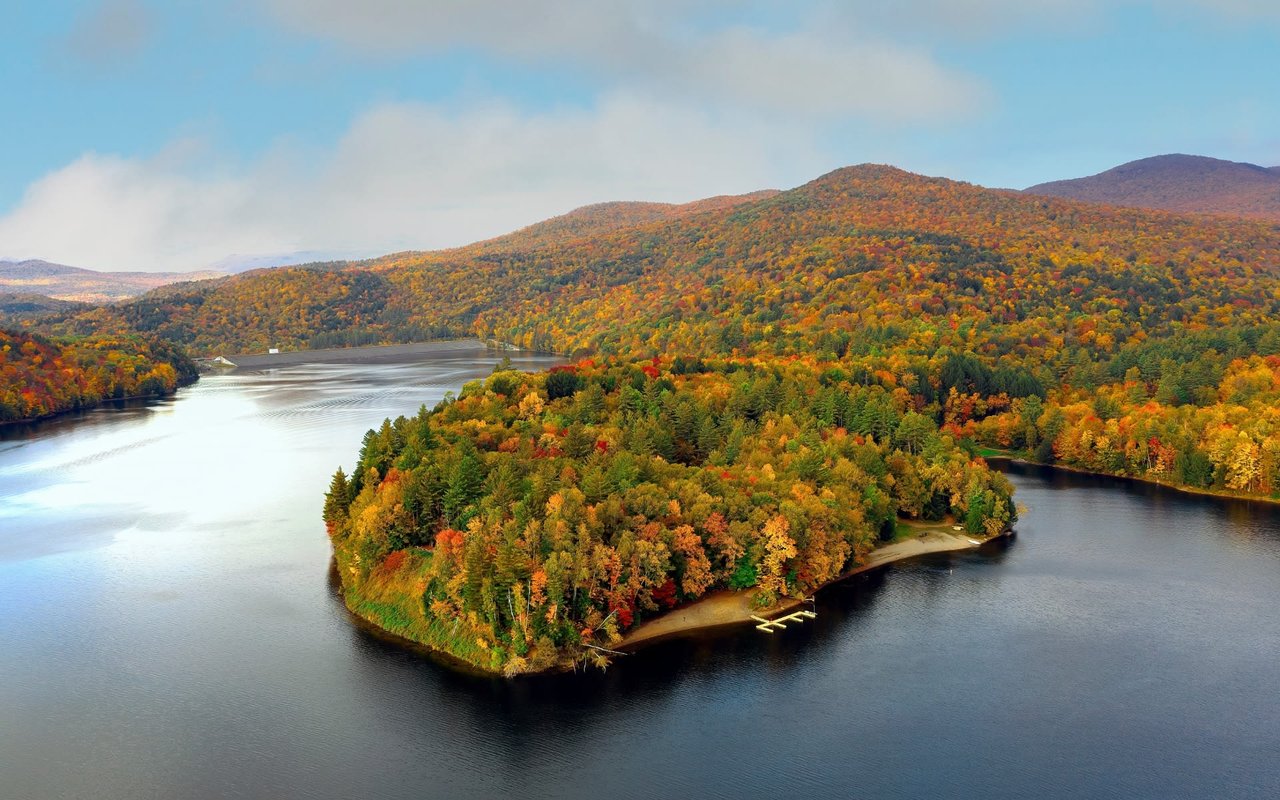
Water also plays a visible role in the landscape. Wolcott includes Wolcott Pond, Wapanaki Lake, Zack Woods Pond, and about 8 miles of the Lamoille River. For you as a buyer, that means some parcels may offer attractive natural features, but they may also fall within shoreland or flood-related rules that affect how the land can be used.
Wolcott’s planning framework also supports the idea of compact village areas separated by rural countryside. The town’s development planning has been aligned with statewide goals that protect air, water, wildlife, and land resources. In practice, that means the rural character many buyers value is part of the long-term vision for the community.
Before you picture barns, gardens, fencing, or a home-based workshop, confirm the property’s zoning district. Wolcott’s bylaws divide land into Rural, Shoreland, Route 15 Corridor, Village, Village Core, and Fisher Bridge Enterprise districts, along with Flood Hazard Area and Wellhead Protection Area overlays. The official zoning map on file with the town clerk is the final authority.
That step matters because a listing’s description may not tell the full story of what can be built or changed. In Wolcott, no development may begin without a zoning permit from the Zoning Administrator unless a specific exemption applies. Even on a rural parcel, permit review is part of the process for many site changes.
For many small-acreage homestead buyers, the Rural District is the closest fit. It is intended for medium-density rural residential development, small businesses, home businesses and industries, and traditional farming and forestry uses. That makes it one of the more flexible settings for buyers who want a practical mix of residential and land-based use.
The district also has basic dimensional standards you should know early. The minimum lot size is 2 acres, minimum frontage is 150 feet, and road and side setbacks are 25 feet. Those numbers shape where a home, outbuilding, driveway, or garden area may realistically fit.
If you are thinking about a larger outbuilding or a more active land use, there can be added review. Wolcott’s bylaws note that conditional-use structures should be located to minimize impacts on agricultural and forest resources. The Development Review Board may also require larger setbacks depending on the operation.
On a small-acreage property, the details often matter as much as the headline acreage. Wolcott exempts unattached structures under 150 square feet from development review if setbacks are met. Fences are exempt from property-line setbacks, and driveways generally need a 10-foot setback unless they are shared or located in certain districts.
That may sound minor, but these rules can affect how you lay out a chicken coop, garden shed, equipment storage area, or driveway entrance. A parcel that looks roomy on paper can become much tighter once setbacks and access are mapped out. This is one reason buyers benefit from reviewing site conditions before making assumptions.
If a parcel sits near one of Wolcott’s ponds, lakes, or other mapped shoreland areas, the rules are tighter. Shoreland parcels may be subject to a 2-acre minimum lot size, 100 feet of road frontage, 100 feet of lake frontage, a 150-foot lake setback, and shoreline tree and ground-cover retention requirements. These standards can limit where you place structures or how much clearing you can do.
Flood-related land is another area to review carefully. In Wolcott’s Flood Hazard Area Overlay, agriculture, forestry, open space, and outdoor recreation without structures are allowed, but more restrictive flood standards control development. Permit applications in these areas require additional flood-related mapping and elevation information.
For a homestead buyer, this does not automatically rule out a property. It does mean you should understand which parts of the parcel are truly usable for buildings, utilities, and day-to-day access. A scenic parcel is not always the same thing as a functional one.
Some parcels may also fall within the Wellhead Protection Area Overlay. In Wolcott, this overlay covers source protection areas serving the Elmore Water Cooperative. The town can use this overlay to restrict uses that could affect surface or groundwater quality.
If your homestead plan includes anything that could involve storage, runoff, or heavier site use, this overlay deserves a closer look. It is another reminder that the right parcel is not just about acreage. It is about how that acreage fits local and state standards.
Vermont law adds an important layer for buyers who want to move beyond a simple backyard setup. Municipalities may not regulate required agricultural practices or accepted silvicultural practices, including farm structures. If a structure qualifies as a farm structure under state rules, no municipal permit is required for the farm structure itself, though the municipality must be notified and setbacks approved by the Secretary of Agriculture must be followed.
This exemption is tied to whether the activity qualifies as farming under state rules. The Required Agricultural Practices, often called RAPs, can be triggered in several ways, including at least $2,000 in average annual agricultural sales, crops for sale on at least 4 contiguous acres, or livestock operations that meet species-specific thresholds on at least 4 contiguous acres. If your plan is more than a hobby, this distinction becomes very important.
Once the RAPs apply, they cover areas such as livestock confinement, feeding, fencing and watering, manure storage and handling, crop production, farm ponds, and farm structures. They also require practices that prevent runoff or leaching to waters of the State or across property boundaries. In other words, a growing homestead can come with more formal compliance responsibilities.
If you are considering a more substantial operation, Vermont’s small-farm-certification program may come into play. The state defines a small farm as a parcel or parcels with 10 or more acres used for farming, plus required animal-count or crop criteria set by statute. Certified small farms must certify compliance annually and can be inspected at least once every seven years.
This matters because many buyers use the term “homestead” loosely. In practice, there is a difference between owning a rural home with gardens and animals and operating a farm that falls under state agricultural rules. Knowing where your plans fall on that spectrum can help you choose the right property from the start.
In Vermont, private water is common. The Vermont Department of Health says about four in 10 households use private wells or springs, and owners are responsible for testing and maintenance. The department recommends testing for bacteria, inorganic chemicals, and gross alpha radiation, and newly drilled wells must be tested before use.
This is especially relevant on rural property where a private well or spring may be part of the setup. Roadside springs are not considered a safe drinking-water source. If one well serves more than one dwelling or an accessory dwelling unit, the Health Department says treatment is required.
Wastewater is just as important. State law requires a permit before subdividing land, constructing a new building or structure, or constructing, replacing, or modifying a potable water supply or wastewater system unless an exemption applies. For you as a buyer, that means septic capacity, well placement, and reserve area should be reviewed early in the process.
The best small-acreage homesteads are usually the ones with usable land, not just land on paper. A practical parcel can fit a homesite, driveway, garden space, wastewater system, and at least one outbuilding without forcing improvements into wetlands, riparian habitat, steep slopes, flood-hazard areas, or stormwater trouble spots. Those are exactly the kinds of conditions Wolcott’s bylaws ask applicants to avoid or mitigate.
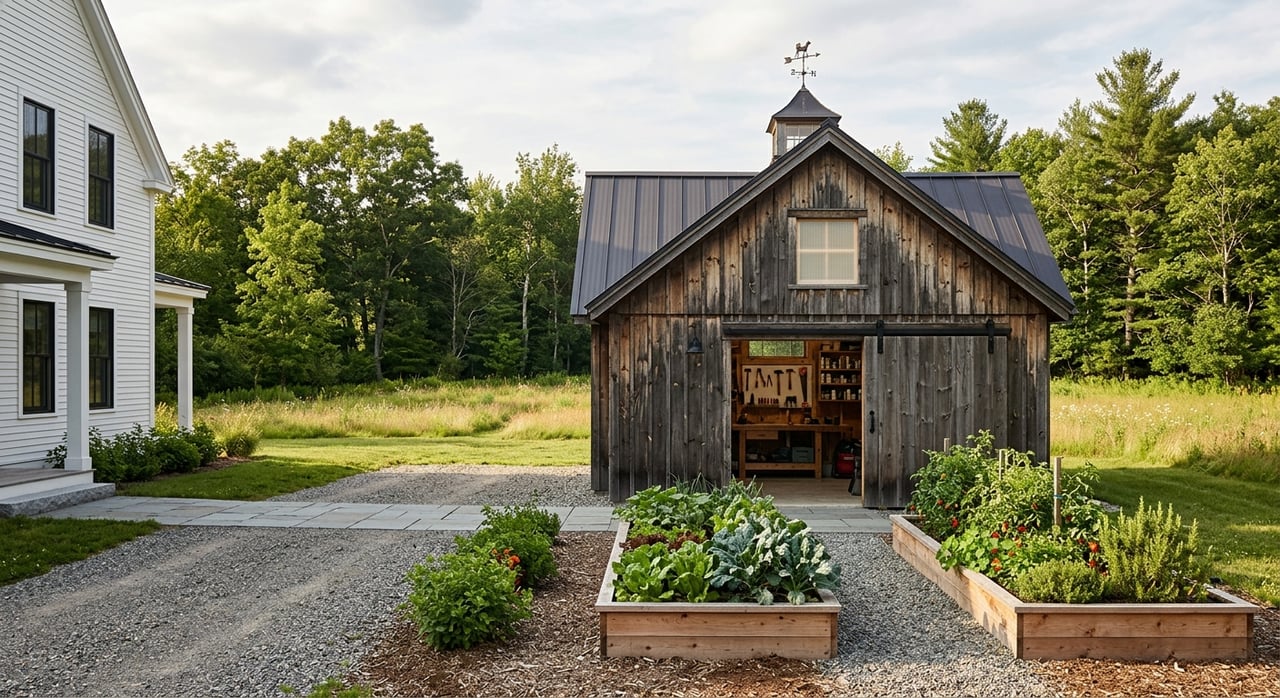
Existing barns or sheds can also add value, especially if you want storage or workspace right away. Still, it is smart to verify permit history, setbacks, and whether a structure falls under a local exemption or state farm-structure rules. In Wolcott, the approval path can differ a lot depending on size and use.
Road frontage is another key factor. In the Rural District, frontage and setback standards influence where you can place buildings, and no development can occur in a town road right-of-way without both a variance and a Selectboard permit. Access is not just about getting to the property. It also affects how the property can function over time.
Before you make an offer on a small-acreage homestead in Wolcott, focus on a few high-value checks:
These steps can help you avoid surprises and compare properties more clearly. They also give you a better sense of whether a parcel fits a simple rural lifestyle, a more active homestead plan, or a future farm operation.
Buying a small-acreage property in Wolcott is often about balancing vision with site realities. When the zoning, utilities, access, and land features line up, you can end up with a property that supports the kind of Vermont lifestyle you actually want to live. If you want help evaluating land, rural homes, or small-acreage opportunities in Lamoille County, connect with Coldwell Banker Carlson Real Estate for locally informed guidance.
If you’re looking for the largest selection of real estate available in our area, you’ve come to the right place and we’re here to help you.