Buying a Condo in Stowe? What to Know About Short-Term Rental Rules
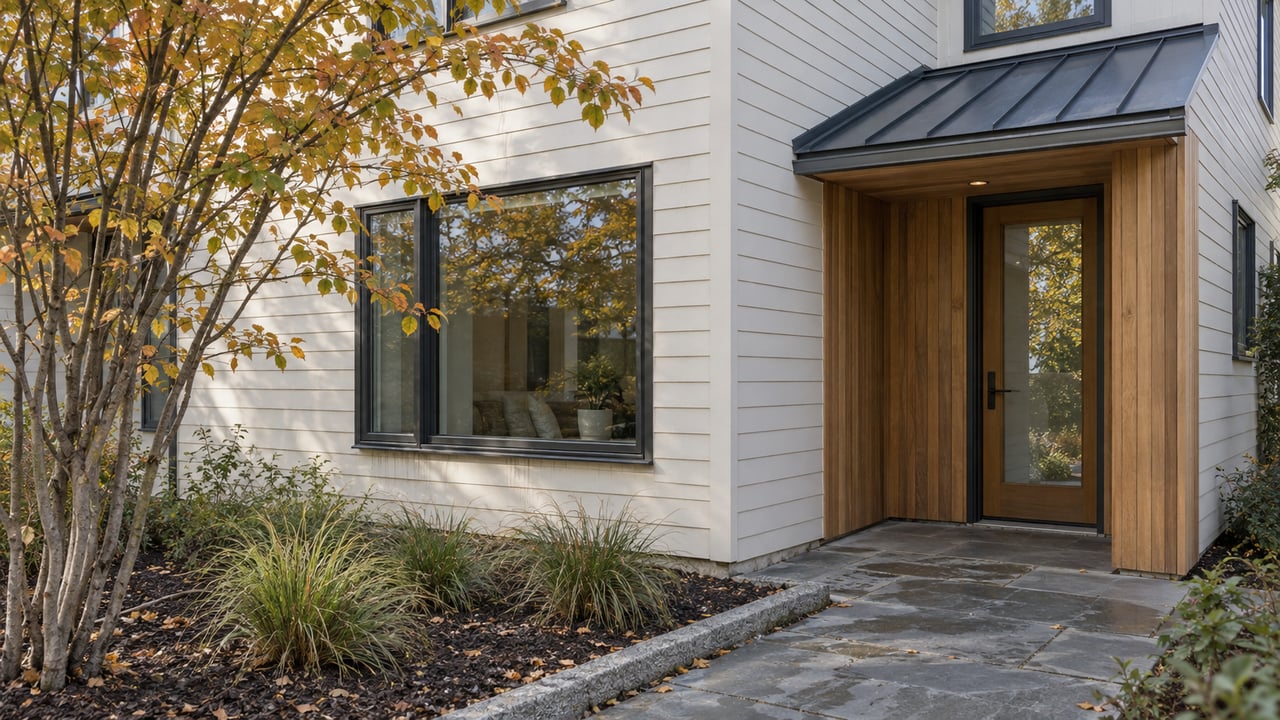
Understanding Stowe's updated short-term rental ordinance, license transfers, and what buyers and sellers should consider before making a real estate decision.
For many buyers, owning a condo in Stowe offers the opportunity to enjoy Vermont's mountain lifestyle while potentially generating rental income when they're away.
But if you're considering purchasing a property that has been used as a short-term rental, there's an important detail to understand before making an offer.
An existing short-term rental license does not automatically transfer to a new owner when the property is sold.
Following changes to Stowe's short-term rental ordinance in July 2026, buyers and sellers need to take a closer look at licensing requirements, property eligibility, and how the regulations may affect their plans.
Whether you're searching for a mountain getaway, an investment property, or a condo to enjoy with family, understanding these rules is an important part of the buying process.
On July 22, 2026, the Stowe Selectboard adopted changes to the town's short-term rental ordinance.
The updated regulations established a licensing system, introduced a limit on the number of short-term rental licenses, and clarified what happens to those licenses when ownership changes.
Under the ordinance, the town generally limits the number of applicable short-term rental licenses to 850, with certain exemptions.
Existing qualifying license holders may be able to continue renewing their licenses, provided they meet the town's ongoing requirements.
However, the rules for someone purchasing a property are different.
In a typical real estate transaction, the seller's license does not transfer to the buyer.
This distinction is especially important for condos and vacation properties that have previously been marketed or operated as short-term rentals.
In most traditional property sales, the answer is no.
The Town of Stowe states that short-term rental licenses are not transferable or assignable as part of an ordinary sale.
That means purchasing a condo with an established rental history does not automatically give the new owner permission to continue operating it as a short-term rental.
Even if the property has been rented successfully for years, the buyer must independently establish whether they are eligible to operate it under current town regulations.
Certain limited exceptions exist for qualifying ownership transfers, such as inheritance or estate-planning arrangements. These exceptions should be reviewed directly with the town rather than assumed to apply.
For buyers, this makes it essential to evaluate the property and its short-term rental eligibility separately.
Yes. Stowe has not prohibited short-term rentals altogether.
Instead, the updated ordinance regulates how licenses are issued, renewed, and transferred.
The town's approach includes several important considerations:
Because these distinctions can significantly affect a property's permitted use, buyers should confirm the rules that apply to the specific unit they're considering.
Not all condos in Stowe are treated the same way.
Certain properties located within designated Ski Planned Unit Development or Resort Planned Unit Development areas may fall outside portions of the town's short-term rental licensing requirements.
This is particularly relevant when comparing traditional residential condos with properties designed and operated as resort accommodations.
However, a property's proximity to Stowe Mountain Resort does not automatically determine its regulatory status.
Buyers should confirm the property's zoning designation, applicable town regulations, and any condominium association restrictions before assuming short-term rentals are permitted.
Even where a town licensing exemption applies, condominium documents, rental-management agreements, and other requirements may still affect how the property can be used.
The updated ordinance includes provisions for qualifying homestead properties.
Under these provisions, eligible owners with a valid homestead designation may be able to obtain up to two short-term rental licenses associated with their homestead property outside the general license cap.
This creates a distinction between qualifying primary-residence owners and buyers purchasing a property exclusively as a second home or investment.
However, simply intending to use a property as a primary residence does not automatically establish eligibility.
The town's homestead requirements, property characteristics, and applicable licensing rules must all be satisfied.
Anyone considering this option should confirm eligibility with the Town of Stowe before making purchasing or rental-income decisions.
For buyers who hope to generate income through short-term rentals, the first step is understanding whether the property is eligible.
Depending on the circumstances, that may involve applying for a new license, qualifying under a homestead provision, or confirming that the property falls within an exempt category.
For properties subject to the general license cap, the town has established a lottery process for issuing available new licenses.
According to the town's current registration guidance, the next opportunity to obtain a license through the lottery is expected in July 2027.
That does not mean every applicant will receive a license.
Availability and eligibility remain subject to the ordinance and the town's administration of the program.
Buyers should avoid relying on projected short-term rental income unless they have independently confirmed a lawful path to operating the property.
If you're considering a Stowe condo with rental potential, a little additional due diligence can make a significant difference.
Before moving forward, consider these questions:
These questions are especially important when a listing includes rental history or potential income as part of its appeal.
For owners preparing to sell a Stowe condo, the updated ordinance makes clear communication particularly important.
A property may have a successful rental history, an established management relationship, or a strong record of guest bookings.
Those details can still help prospective buyers understand how the property has been used.
However, sellers should be careful not to imply that an existing license or future rental income automatically accompanies the sale.
Providing accurate information about the property's licensing status, condominium rules, and rental history can help buyers make informed decisions.
It may also help avoid misunderstandings during inspections, financing, or other stages of the transaction.
Short-term rental regulations are one of several factors that buyers and sellers may consider when evaluating Stowe condos.
For some buyers, rental income is an important part of the purchasing decision.
Others are primarily interested in a vacation home, seasonal retreat, or property for personal use.
As licensing requirements evolve, buyers may place greater emphasis on understanding how a property can legally be used after closing.
Properties with different zoning classifications, association rules, and licensing requirements may appeal to different groups of buyers.
However, it is important not to assume that the ordinance alone determines condo prices, sales activity, or property values.
Interest rates, inventory, seasonal demand, property condition, and broader market trends all contribute to real estate activity.
For anyone buying or selling in Stowe, understanding both the market and the property's permitted uses is essential.
Buying a condo in Stowe involves more than choosing a location or comparing amenities.
Each property can come with its own considerations, from association fees and maintenance responsibilities to zoning requirements and rental restrictions.
The updated short-term rental ordinance adds another detail for buyers and sellers to understand.
Working with a real estate professional who knows the local market can help you identify important questions, review available property information, and connect with the appropriate town officials or qualified professionals when needed.
Whether you're searching for a mountain getaway, exploring investment opportunities, or preparing to sell an existing condo, informed decisions begin with understanding the property you're considering.
Stowe continues to offer an appealing combination of mountain recreation, year-round amenities, and a distinctive Vermont lifestyle.
For buyers interested in short-term rental opportunities, however, the town's updated regulations make careful planning more important than ever.
The most important takeaway is simple: purchasing a condo with an existing short-term rental license does not mean that license will transfer to you.
Before making an offer, confirm the property's licensing eligibility, condominium association rules, and intended use.
The team at Coldwell Banker Carlson Real Estate can help buyers and sellers navigate Stowe's condo market with local knowledge and personalized guidance.
Potentially. Short-term rentals are permitted in Stowe under applicable regulations, but licensing requirements, property classifications, and condominium association rules may affect eligibility.
Generally, no. The town's ordinance prohibits transferring or assigning an STR license in an ordinary property sale. Limited exceptions may apply to certain qualifying transfers.
Yes. The 2026 ordinance established a cap of 850 applicable licenses, subject to exemptions and other provisions.
You may be eligible to apply depending on the property and your circumstances. The town's lottery process and other licensing provisions determine whether a new license can be issued.
Certain properties in designated resort or ski planned-unit-development areas may be excluded from the ordinance's licensing requirements. Buyers should confirm the classification of the specific property with the town.
Visit the Town of Stowe's Short-Term Rental Registration page for current guidance, official ordinance documents, and town contact information.
Editor's Note: This article reflects information available as of October 2026 and is intended for general educational purposes. Short-term rental regulations and licensing procedures may change. Buyers and sellers should confirm property-specific requirements directly with the Town of Stowe and consult qualified legal or tax professionals when appropriate.
Sources and Further Information

Giving
Coldwell Banker Carlson Real Estate agents giving back in Lamoille County, Vermont


If you’re looking for the largest selection of real estate available in our area, you’ve come to the right place and we’re here to help you.