Buying a Second Home in Stowe? Understanding Vermont's Property Transfer Tax
What second-home buyers should know about Vermont's property transfer tax, closing costs, and long-term ownership in Stowe.
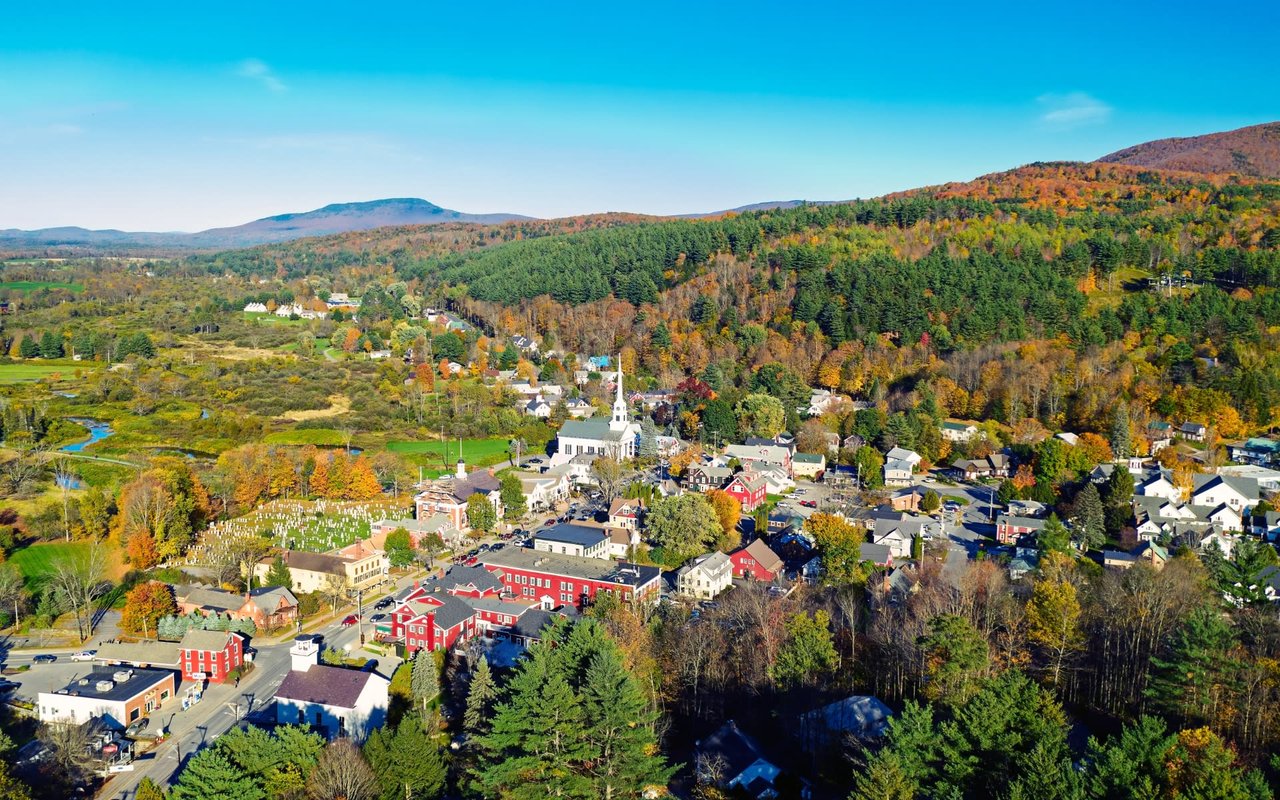
Stowe has long attracted buyers looking for a place to return to, whether that means weekends on the mountain, summers spent exploring Vermont, or a quiet retreat surrounded by the Green Mountains.
But purchasing a second home involves more than finding the right property.
One important consideration is Vermont's property transfer tax, which can represent a significant upfront expense for buyers purchasing a home that will not serve as their primary residence.
Understanding how that tax works, how it differs from annual property taxes, and what expenses to anticipate can help buyers approach the process with greater confidence.
Vermont collects a property transfer tax when real estate changes ownership.
Unlike annual property taxes, which homeowners pay on an ongoing basis, the transfer tax is generally a one-time expense paid by the buyer when the property is purchased.
The amount depends on several factors, including the purchase price, the property's intended use, and whether it qualifies as a principal residence.
Under Vermont's current tax structure, qualifying second homes are subject to a higher transfer tax rate than primary residences.
This distinction is especially relevant in communities like Stowe, where vacation properties and second homes are an established part of the real estate market.
As of October 2026, Vermont applies a 3.4% property transfer tax to qualifying non-principal residences that are suitable for year-round habitation and are not qualifying long-term rentals.
An additional 0.22% Clean Water Surcharge brings the combined rate to 3.62%.
For comparison, qualifying primary residences receive a reduced rate of 0.5% on the first $200,000 of the purchase price, with a combined 1.47% rate applying to the remaining amount.
Here's how those differences translate into actual purchase costs.
Purchase Price | Primary Residence | Qualifying Second Home |
|---|---|---|
$500,000 | $5,410 | $18,100 |
$750,000 | $9,085 | $27,150 |
$1,000,000 | $12,760 | $36,200 |
$1,500,000 | $20,110 | $54,300 |
These figures are illustrative estimates based on Vermont's October 2026 rates and assume standard classification without additional exemptions or special circumstances.
For someone purchasing a $1 million Stowe property as a qualifying second home, that means approximately $36,200 in property transfer taxes at closing.
It's an expense worth understanding early in the home search, particularly when establishing a purchase budget.
Property transfer taxes and annual property taxes are two separate expenses.
The transfer tax is generally paid once, when ownership changes hands.
Annual property taxes, meanwhile, are based on a property's assessed value and the applicable municipal and education tax rates.
In Stowe, properties are classified for tax purposes as homestead or non-homestead, depending on their use and eligibility.
These classifications can result in different annual tax rates, although the difference is not necessarily as substantial as the difference in transfer taxes.
For buyers, the important distinction is understanding both the upfront cost of acquiring a property and the ongoing expense of owning it.
Before making an offer, it's worth reviewing the property's current tax assessment, applicable tax rates, and any factors that could affect future tax obligations.
Not necessarily. Vermont's transfer tax rules distinguish among several property types and uses.
For example, qualifying long-term rental properties may be subject to the general transfer tax rate rather than the higher non-principal residence rate. Certain unfinished properties, vacant land, and commercial properties are also treated differently.
A property intended for short-term vacation rentals, however, generally falls under the higher rate when it meets the state's criteria for a habitable non-principal residence.
Importantly, simply intending to rent a property long-term does not automatically qualify it for a lower tax rate. Vermont has specific requirements for determining whether a property qualifies as a long-term rental, including applicable landlord certification and documentation requirements.
These distinctions can become particularly important when purchasing a property with rental potential or considering a home that may serve multiple purposes.
Because classification depends on specific circumstances, buyers should confirm the applicable treatment with a qualified Vermont tax professional or real estate attorney before closing.
Vermont continues to evaluate how residential properties are classified and taxed.
Legislation enacted in 2026 established a framework for distinguishing among homestead, non-homestead residential, and non-homestead nonresidential properties.
The new classification system is scheduled to take effect in July 2029 only if certain legislative conditions are satisfied. Future tax-rate multipliers also require additional legislative action.
For prospective buyers, that means future annual tax treatment remains an area worth monitoring.
Rather than making decisions based on proposed changes, buyers should evaluate the rules currently in effect while remaining aware that Vermont's property tax system may continue to evolve.
The purchase price is only one part of the financial picture when buying a second home in Stowe.
In addition to the property transfer tax, buyers should consider ongoing ownership expenses such as insurance, utilities, maintenance, snow removal, landscaping, and property management when applicable.
Vermont's seasonal climate can make some of these considerations especially important.
A mountain property may require a different maintenance approach than a condominium with an established homeowners association.
Likewise, a secluded home with a private driveway may offer the privacy buyers are seeking while also requiring additional winter upkeep.
Understanding these details helps buyers choose a property that fits both their lifestyle and their long-term ownership plans.
Every Stowe property is different.
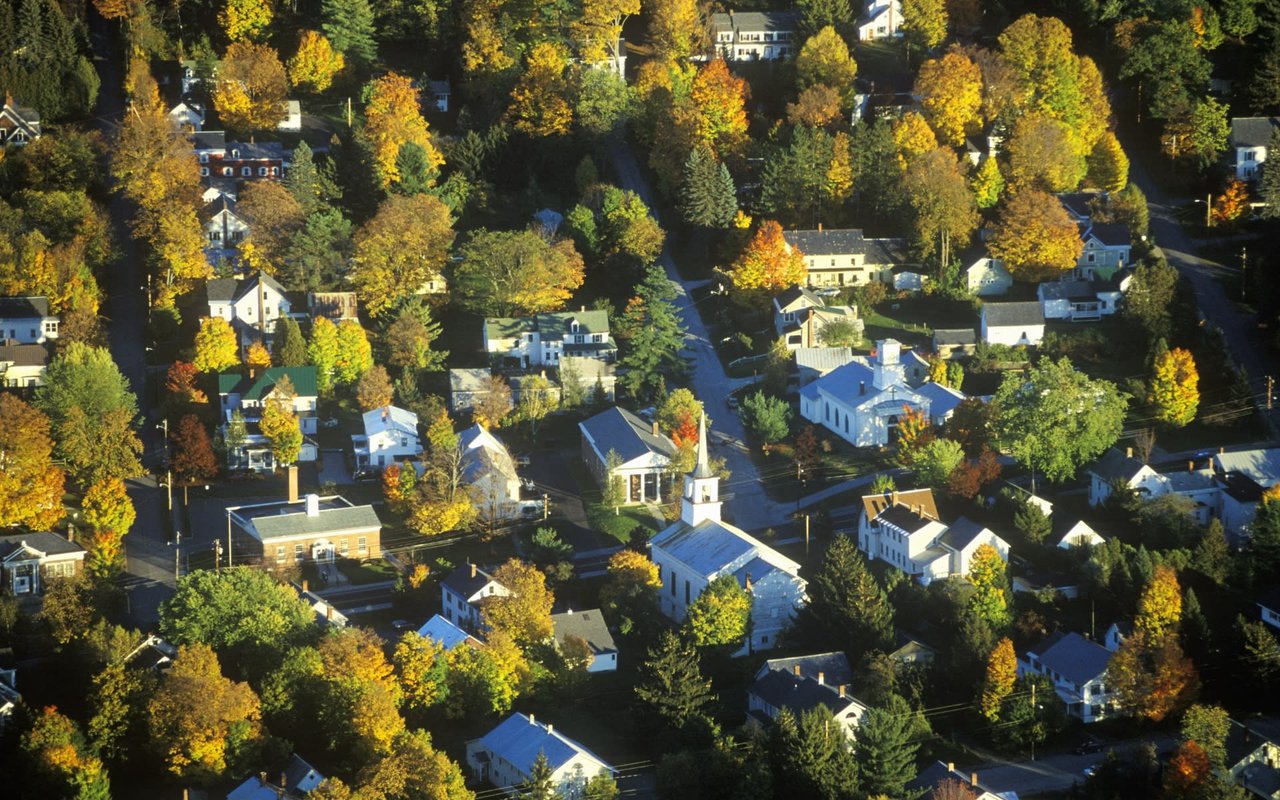
A condominium near the mountain, a historic village home, and a secluded estate may offer entirely different ownership experiences.
The same is true of their financial considerations.
Property classification, municipal assessments, association fees, rental restrictions, and maintenance responsibilities can all influence the overall cost of ownership.
Working with real estate professionals who understand the Stowe market can help buyers identify these considerations early and connect with the appropriate legal, financial, and tax professionals when needed.
Buying a second home in Stowe is often about much more than real estate.
It's about creating a place to return to, enjoying Vermont throughout the seasons, and finding a property that complements the way you want to spend your time.
Understanding the financial responsibilities that come with that purchase is an important part of making the experience rewarding.
Vermont's property transfer tax is one of the most significant upfront expenses for qualifying second-home buyers, making it something to consider well before closing day.
With thoughtful planning, reliable professional guidance, and a clear understanding of the costs involved, buyers can approach their Stowe property search with confidence.
Coldwell Banker Carlson Real Estate is here to help you explore properties throughout Stowe and the surrounding communities, offering local market knowledge and personalized guidance throughout the buying process.
As of October 2026, qualifying non-principal residences are subject to a 3.4% property transfer tax plus a 0.22% Clean Water Surcharge, for a combined rate of 3.62%.
The buyer is generally responsible for paying Vermont's property transfer tax when purchasing real estate.
No. The property transfer tax is generally a one-time expense associated with transferring ownership. Annual property taxes are separate.
Not always. Qualifying long-term rental properties may receive different transfer tax treatment than second homes or short-term vacation rentals. Eligibility depends on the property's circumstances and applicable state requirements.
Vermont has enacted legislation establishing a potential new property classification system beginning in 2029, subject to certain conditions. Specific future tax treatment remains dependent on additional legislative decisions.
Yes. Understanding potential transfer taxes and other closing expenses early in the process can help establish a realistic purchasing budget.
Editor's Note: Tax rates and legislation referenced in this article are current as of October 2026 and may change. This article provides general information and should not be considered legal, tax, or financial advice. Buyers should consult qualified professionals regarding their individual circumstances.
Sources for Further Information


Giving
Coldwell Banker Carlson Real Estate agents giving back in Lamoille County, Vermont


If you’re looking for the largest selection of real estate available in our area, you’ve come to the right place and we’re here to help you.