Leave a Message

By providing your contact information to Coldwell Banker Carlson Real Estate, your personal information will be processed in accordance with Coldwell Banker Carlson Real Estate's Privacy Policy. By checking the box(es) below, you consent to receive communications regarding your real estate inquiries and related marketing and promotional updates in the manner selected by you. For SMS text messages, message frequency varies. Message and data rates may apply. You may opt out of receiving further communications from Coldwell Banker Carlson Real Estate at any time. To opt out of receiving SMS text messages, reply STOP to unsubscribe.

Thank you for your message. We will be in touch with you shortly.

Buying A Historic Home In Waterbury Village
Buying A Historic Home In Waterbury Village

Thinking about buying a historic home in Waterbury Village? It can be an exciting way to own a property with real character, but it also comes with a different set of questions than a newer home. If you want to understand what makes these homes special, what to inspect, and how local review rules may affect your plans, this guide will help you move forward with more confidence. Let’s dive in.

Why Waterbury Village Feels Different

Waterbury Village is not just a collection of older homes. It is a National Register historic district with a long development pattern shaped by early commerce, the railroad’s arrival in 1849, and later residential growth. The town describes the village as home to more than 1,700 residents and a place with historically and architecturally distinctive structures.

For you as a buyer, that means the housing stock often carries visible layers of history. The district includes more than 200 structures, primarily along Main Street and Stowe Street, with a mix of homes, commercial buildings, and institutional properties. In practical terms, you are shopping in a living village where historic character and day-to-day use still coexist.

What Homes You May See

Common architectural styles

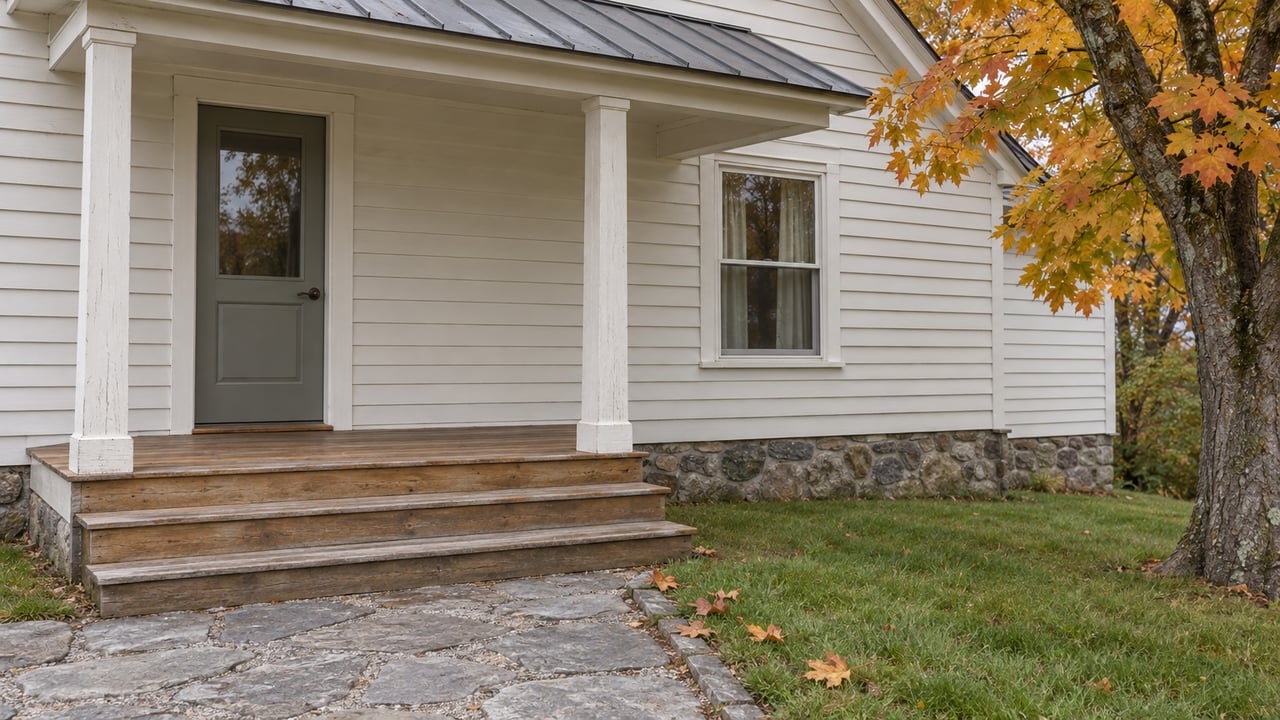
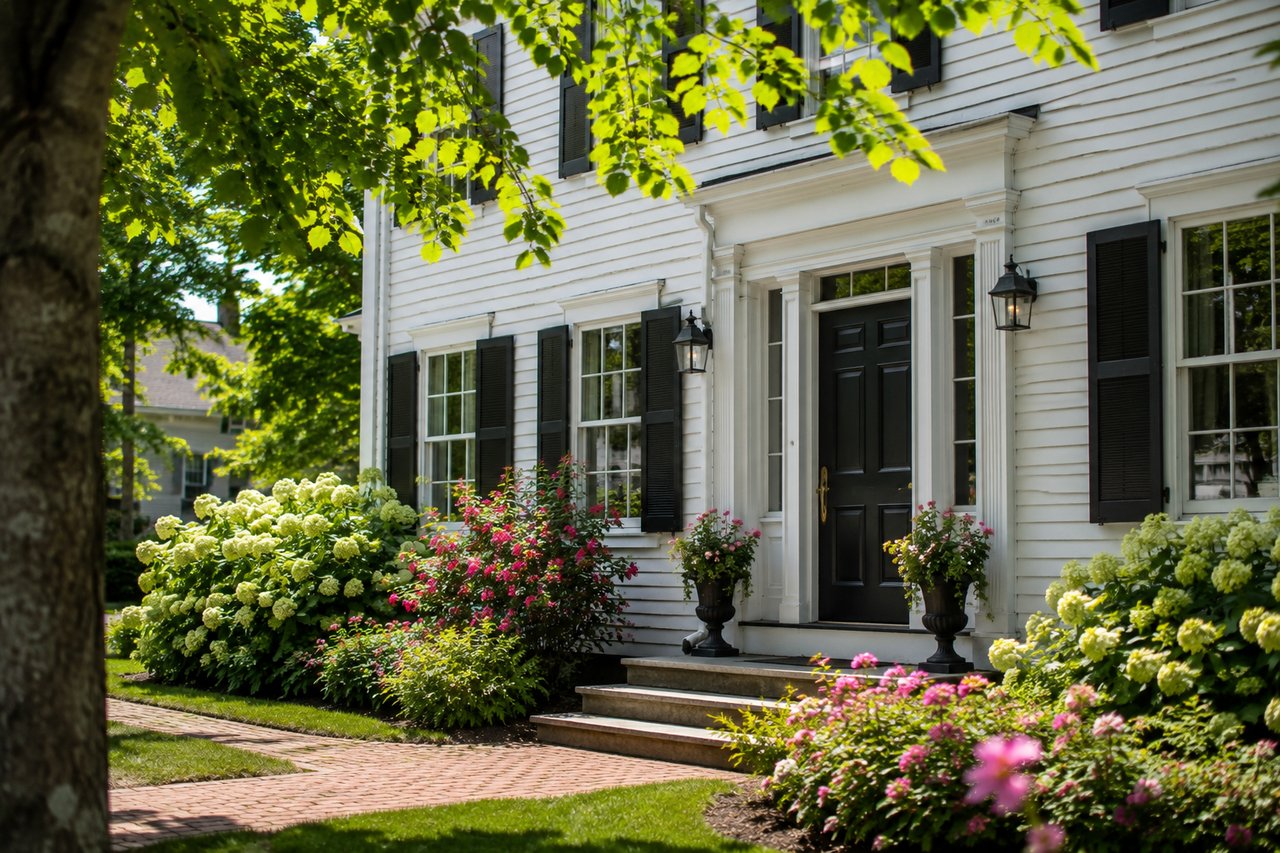
In Waterbury Village, you may see early Federal and Greek Revival homes alongside later Italianate, Stick-style, and Queen Anne-era buildings. The historic record also notes sidehall-plan houses, gable-front Greek Revival homes, and Federal I-plan houses, often with rear ells or porch additions. That variety gives the village its texture and charm.

This also means you should not expect every home to look untouched. Many properties have evolved over time with updated siding, altered windows, additions, or porch changes. A home can still retain historic value and visual appeal even if it has been modified.

Character matters more than perfection

When you tour a historic property, it helps to focus on the bigger picture. Original massing, street presence, roofline, and significant architectural details often matter more than whether every element is original. In Waterbury Village, the question is usually whether the home still reflects the historic fabric of the district, not whether it has been frozen in time.

What to Inspect Before You Buy

Older homes can offer warmth and craftsmanship that are hard to replicate, but they often need a more detailed due-diligence process. A general home inspection is a smart starting point, but in Waterbury Village, it is often only the first step.

Start with a full home inspection

Because many homes in the district have mixed ages, additions, and layered updates, a standard inspection can reveal where you may need more expert review. Pay close attention if the report flags issues related to roofing, masonry, chimneys, moisture, structure, electrical systems, plumbing, or drainage.

Those are the areas where specialty follow-up can be especially useful. If concerns appear in the inspection report, bringing in the right contractor or specialist early can help you understand true repair scope before closing.

Watch for moisture and hidden wear

Historic homes often have additions, porch enclosures, rear ells, or material changes that may hide deferred maintenance. Water intrusion around foundations, roofs, windows, porches, and chimneys can sometimes go unnoticed until work begins. A careful inspection process can help you avoid surprises later.

Budget for lead-safe work

If the home was built before 1978, it is smart to assume lead-based paint may be present. If you plan any renovation, repair, or painting project that disturbs painted surfaces, lead-safe work practices may apply. That can affect your timeline, contractor selection, and budget.

For many buyers, this is one of the biggest differences between an older home and a newer one. You may need to plan for testing, containment, and cleanup, especially if your project involves sanding, scraping, window replacement, or opening walls.

How Renovation Rules Can Affect Your Plans

One of the most important parts of buying a historic home in Waterbury Village is understanding what you can change and what may require review. Even if the home is yours after closing, exterior changes may still need local approvals.

When a zoning permit is required

Waterbury requires a zoning permit for construction, reconstruction, conversion, structural alteration, relocation, enlargement, and changes in use. If your work does not change the dimensions, location, or use of the existing building, a zoning permit may not be required.

That distinction matters. A simple repair may be treated differently than an addition, structural rework, or exterior redesign.

Design review in the historic district

Within the Design Review Overlay District, new structures, additions, demolition, relocation, and other exterior modifications are reviewed. Routine maintenance and some repair work are exempt, including paint-color changes and siding or roofing repairs that do not change design, dimensions, or location.

If you are considering a larger exterior project, expect an application process that may require:

  • Exterior elevations
  • A materials description
  • Photos of the site
  • Photos of neighboring buildings
  • A written project narrative

This is one reason buyers should think about renovation plans before making an offer. A project that seems simple at first glance may involve review if it changes how the building looks from the outside.

Interior work is usually simpler

Interior-only updates are often less constrained than exterior changes. In general, review issues come up more often when work affects the outside of the building or changes occupancy in a way that creates a permanent exterior impact.

If your goal is to improve kitchens, baths, layout, or systems while keeping the exterior largely intact, the path may be more straightforward. Even so, it is wise to verify the details for the specific property and project.

Demolition Is a Major Issue

If you are buying a home that needs extensive work, do not assume demolition is an easy fallback option. In Waterbury’s expanded historic district, demolition of listed or contributing structures requires Development Review Board approval.

For a National Register-listed structure, the town requires a structural assessment, estimated stabilization and renovation costs, and evidence that alternatives to demolition were explored. If the proposal does not meet the criteria, the board can delay demolition for up to six months.

For buyers, the lesson is clear. If a property appears severely distressed, your due diligence should include a realistic review of whether restoration is possible and what the town may require if removal is ever considered.

How to Research a Home Before Closing

Historic-home buying is not just about the building itself. It is also about the paper trail.

Review permits and local records

Waterbury offers an online permitting portal and an online parcel mapping system that shows property information, taxes, zoning, and other layers. These tools can help you confirm whether a property sits within the overlay area and what local rules may apply.

You can also research land records through the Town Clerk. That is often an important step when you want to understand prior ownership history, recorded documents, or earlier property changes.

Look for past review history

Waterbury’s Development Review Board archive can help buyers track prior application packets for additions, exterior modifications, and other reviewed work. This can provide useful insight into what was approved, what changed over time, and whether older work appears to align with local review history.

One key point to remember is that Waterbury does not issue zoning compliance letters. In other words, you should expect to verify permit and review history through the records themselves rather than relying on one summary clearance document.

Budgeting for a Historic Home

Historic homes often reward careful ownership, but they do best when your budget matches the reality of the property. In Waterbury Village, that usually means preparing for more than cosmetic updates.

What your budget should include

A realistic budget may need room for:

  • General inspection and follow-up specialist reviews
  • Permit costs
  • Design review preparation
  • Lead-safe renovation practices when painted surfaces will be disturbed
  • Repair-first decisions instead of quick replacement
  • Materials that are compatible with the home’s historic character
  • Unexpected issues uncovered after opening walls, roofs, or systems

Hire contractors with old-house experience

Waterbury’s standards favor durable materials, compatible roof shapes and building forms, and preservation of distinctive materials and craftsmanship. Renovations do not need to copy old details exactly, but they should fit the surrounding historic fabric.

That is why contractor fit matters. A contractor who understands historic windows, trim, porches, masonry, and traditional forms can be especially valuable when you want to improve livability without losing what makes the home feel right in the village.

A Smart Mindset for Buying in Waterbury Village

Buying a historic home in Waterbury Village is often less about finding a perfect time capsule and more about finding a property whose character, condition, and future plans line up with your goals. The strongest purchases usually happen when you understand both the charm and the responsibilities that come with older housing.

If you do your homework on condition, records, permits, and renovation expectations, you can make a more confident decision. A well-chosen historic home can offer everyday livability, strong visual character, and a meaningful connection to one of central Vermont’s most distinctive village settings.

If you are considering a historic property in Waterbury Village and want locally informed guidance through the search and due-diligence process, connect with Coldwell Banker Carlson Real Estate.

FAQs

What makes Waterbury Village homes historic?

  • Waterbury Village is a National Register historic district with more than 200 structures shaped by early commercial growth, the railroad era, and later residential expansion.

What architectural styles are common in Waterbury Village?

  • Buyers may see Federal, Greek Revival, Italianate, Stick-style, and Queen Anne-era homes, along with houses that include rear ells, porch additions, and later exterior changes.

What should buyers inspect in a historic Waterbury Village home?

  • Start with a general home inspection, then follow up with specialists if concerns appear around roofing, masonry, chimneys, moisture, structure, electrical, plumbing, or drainage.

Do exterior renovations in Waterbury Village require approval?

  • Many exterior changes in the Design Review Overlay District are reviewed, while some routine maintenance and certain repair work are exempt.

Can you freely remodel the inside of a historic home in Waterbury Village?

  • Interior-only updates are usually less constrained than exterior changes, but you should still verify the rules for the specific property and scope of work.

What should buyers know about demolition in Waterbury Village?

  • Demolition of listed or contributing historic structures requires approval, and the town may require structural assessments, renovation cost estimates, and proof that alternatives were explored.

How do buyers research permit history in Waterbury Village?

  • Buyers can use Waterbury’s permitting portal, parcel mapping system, Town Clerk land records, and Development Review Board archives to review property and project history.

Should buyers budget differently for a historic home in Waterbury Village?

  • Yes. A historic-home budget should allow for permits, design review, lead-safe practices, repair-focused decisions, compatible materials, and unexpected issues discovered during renovation.

Work With Us

If you’re looking for the largest selection of real estate available in our area, you’ve come to the right place and we’re here to help you.


Follow Us On Instagram