Is Johnson VT a Smart Market for Investment Property?
For real estate investors, finding opportunity is not always about chasing the hottest market. Sometimes the best investments come from smaller communities with steady demand, strong local institutions, and a lifestyle that continues to attract residents year after year.
Johnson, Vermont is one of those places.
Located in the heart of Lamoille County, Johnson offers a unique combination of village character, outdoor recreation, educational influence, and arts culture. While it may not receive the same attention as neighboring resort communities, many investors find that Johnson offers something equally valuable: a market driven by year-round demand rather than seasonal trends alone.
If you're considering an investment property in Johnson, here's what you should know.
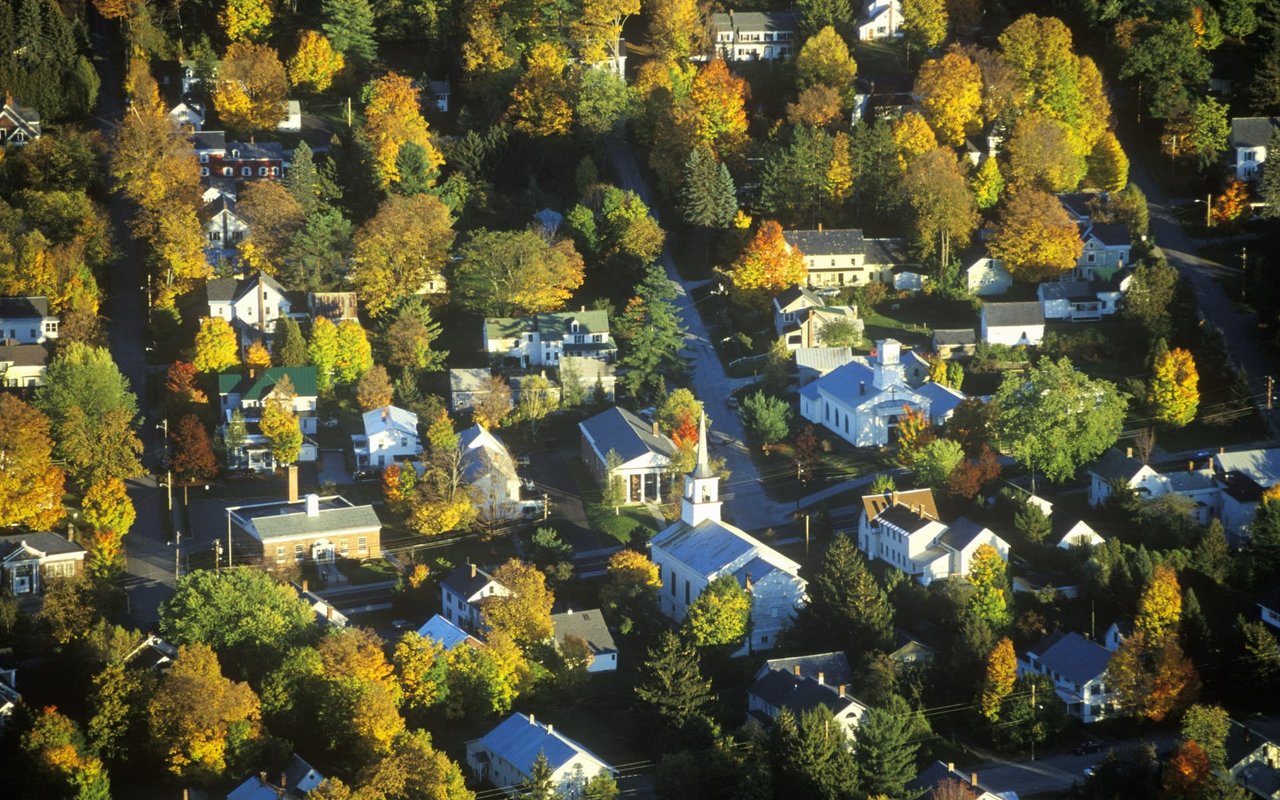
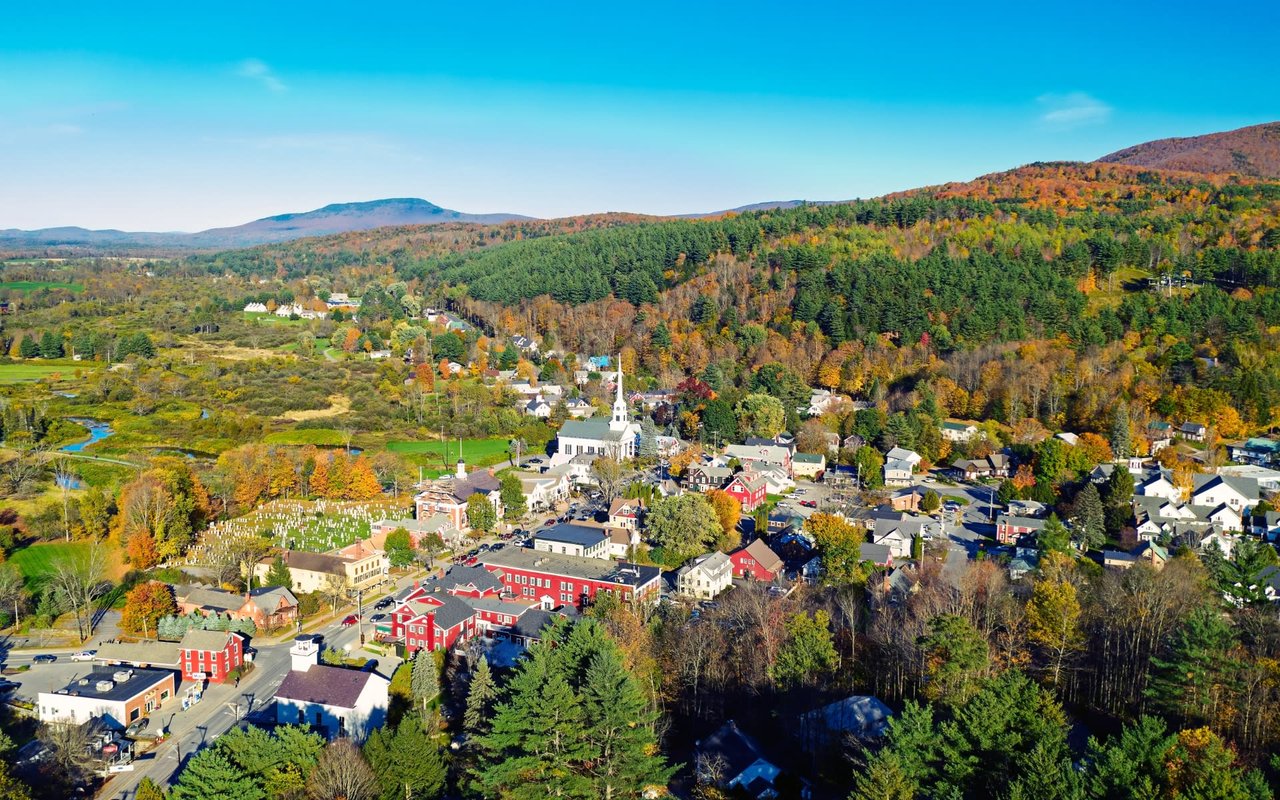
Johnson has long been known as one of northern Vermont's most distinctive small towns.
The village serves as the town's commercial and cultural center, offering a walkable layout with local businesses, restaurants, community spaces, and public services concentrated in a relatively compact area.
That walkability is a meaningful advantage. Properties near the village often appeal to residents who value convenience and access to everyday amenities without relying heavily on a vehicle.
At the same time, Johnson maintains the small-town Vermont atmosphere that many buyers and renters actively seek.
The result is a community that feels connected, livable, and authentic.
One of Johnson's biggest strengths as an investment market is that housing demand comes from multiple sources rather than a single employer or industry.
The Johnson campus of Vermont State University remains one of the area's largest institutions.
Students, faculty, staff, and university-related professionals all contribute to housing demand in and around the village.
For investors, that means demand often extends beyond traditional owner-occupants and can support a variety of rental opportunities depending on property type and location.
Johnson is also home to the internationally recognized Vermont Studio Center.
The Studio Center brings artists, writers, instructors, and visiting professionals from around the world to the community throughout the year.
Its presence contributes to the town's unique character and helps support housing demand that might not exist in a typical rural market of similar size.
The arts community has become a meaningful part of Johnson's identity and contributes to the town's long-term appeal.
Beyond education and the arts, Johnson serves as home for many local residents who work throughout Lamoille County.
Some commute to nearby communities including:
Because Johnson generally remains more attainable than some neighboring markets, it often attracts residents looking for value while staying close to employment centers and recreation opportunities.
Strong investment properties are ultimately tied to places where people want to live.
Johnson offers several lifestyle advantages that help support long-term housing demand.
Residents enjoy:
For many renters, Johnson provides a balance that can be difficult to find elsewhere: a small-town atmosphere with genuine community character and access to recreation.
One of the most common mistakes investors make is focusing too heavily on acquisition cost.
A lower purchase price does not automatically create a better investment.
Instead, successful investors typically evaluate:
In a smaller market like Johnson, these factors often matter more than broad market averages.
Every property deserves its own analysis.
Like many Vermont communities, Johnson has characteristics that deserve careful review before purchasing.
Flood risk is one of the most important considerations.
Parts of the village are located within areas that have experienced flooding, including impacts from recent storm events.
That does not mean investors should avoid village properties. It simply means buyers should understand:
before making a purchase decision.
Local knowledge can be especially valuable when evaluating these factors.
Investors often see opportunity in renovations, additions, or property improvements.
Before assuming a project is feasible, it is important to understand local permitting and zoning requirements.
Questions worth asking include:
The strongest investment opportunities are often the ones where both the numbers and the permitting path make sense.
While every property is different, many successful investment properties in Johnson share several characteristics:
The goal is not necessarily finding the cheapest property.
The goal is finding a property that can attract and retain tenants while supporting long-term value.
Johnson is not a resort market, and that may actually be part of its appeal.
Rather than relying heavily on tourism, the community benefits from a blend of education, arts, local employment, recreation, and year-round residency.
That diversification can help create a more stable housing environment than markets driven by a single economic factor.
For investors willing to look beyond larger headlines and focus on fundamentals, Johnson continues to offer compelling opportunities.
Johnson may not receive the same attention as some neighboring Vermont communities, but it remains a market worth watching.
The combination of village character, Vermont State University, the Vermont Studio Center, outdoor recreation, and year-round housing demand creates a foundation that many investors find attractive.
As with any investment, success comes from careful analysis, realistic expectations, and strong due diligence.
If you're considering an investment property in Johnson or elsewhere in Lamoille County, Coldwell Banker Carlson Real Estate can help you evaluate opportunities with local insight and market knowledge.
For many investors, yes. Johnson benefits from year-round housing demand driven by education, the arts community, local employment, and outdoor recreation.
Rental demand is influenced by Vermont State University, the Vermont Studio Center, local residents, and workers commuting throughout Lamoille County.
No. While recreation contributes to the area's appeal, Johnson's housing demand is supported by year-round residents, students, faculty, artists, and local workers.
Flood risk should be carefully evaluated, particularly near portions of the village. Reviewing flood maps, insurance requirements, and site-specific conditions is an important part of due diligence.
Investors will find a mix of single-family homes, village properties, small multifamily buildings, and occasional larger rental opportunities.
Johnson offers a more village-centered, year-round housing market driven by education, arts, community, and recreation rather than primarily resort tourism.
Market Update
If you’re looking for the largest selection of real estate available in our area, you’ve come to the right place and we’re here to help you.