Buying A Country Home In Hyde Park, VT
Ever pictured morning coffee on a quiet porch with ridge lines on the horizon? If you are drawn to open land, privacy, and easy access to Morrisville and Stowe, Hyde Park delivers a true Vermont country experience. Buying in a rural setting takes a different approach, though. In this guide, you will learn the must-know checks on roads, wells, septic, flood risk, utilities, broadband, and permits so you can buy with confidence. Let’s dive in.
Hyde Park sits along VT Route 15 near VT 100, which makes getting to daily services simple. Morrisville offers grocery, pharmacy, and healthcare, while Stowe’s resort amenities are a short drive. You also have access to lakes, trails, and year-round outdoor recreation. This blend of space and convenience is what many buyers want in a country home.
For official town rules on development and access, start with Hyde Park’s Land Use and Development Regulations. You will use them for driveway standards, flood hazard overlays, and subdivision procedures. You can review the adopted regulations in the town’s bylaw document.
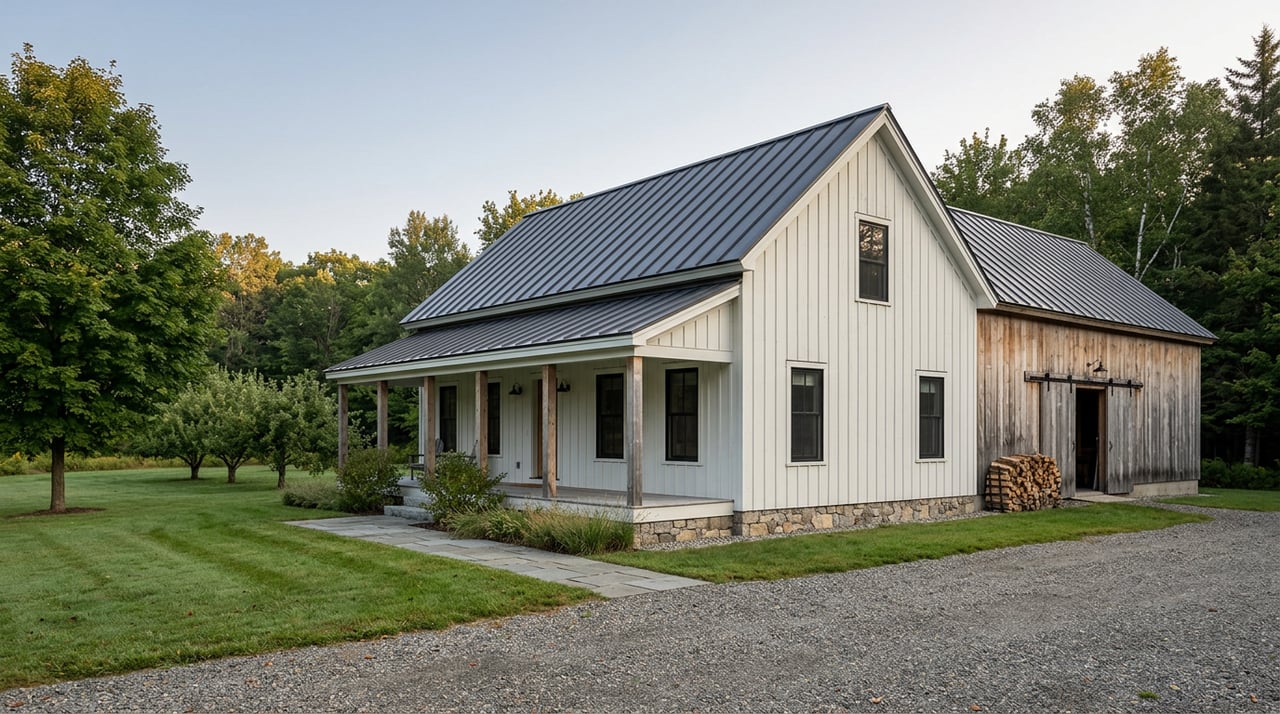
You will often see classic farmhouses with barns or sheds. Some farm parcels may be enrolled in Vermont’s Current Use program, which lowers property taxes but limits certain development. If you plan to subdivide or build, understand potential Land Use Change Tax implications. Ask for documentation on any Current Use enrollment.
Large wooded parcels are common. Confirm whether a property has a timber harvest history or conservation easement that restricts cutting. Also check access for logging trucks or seasonal forestry use. These details can affect both value and future plans.
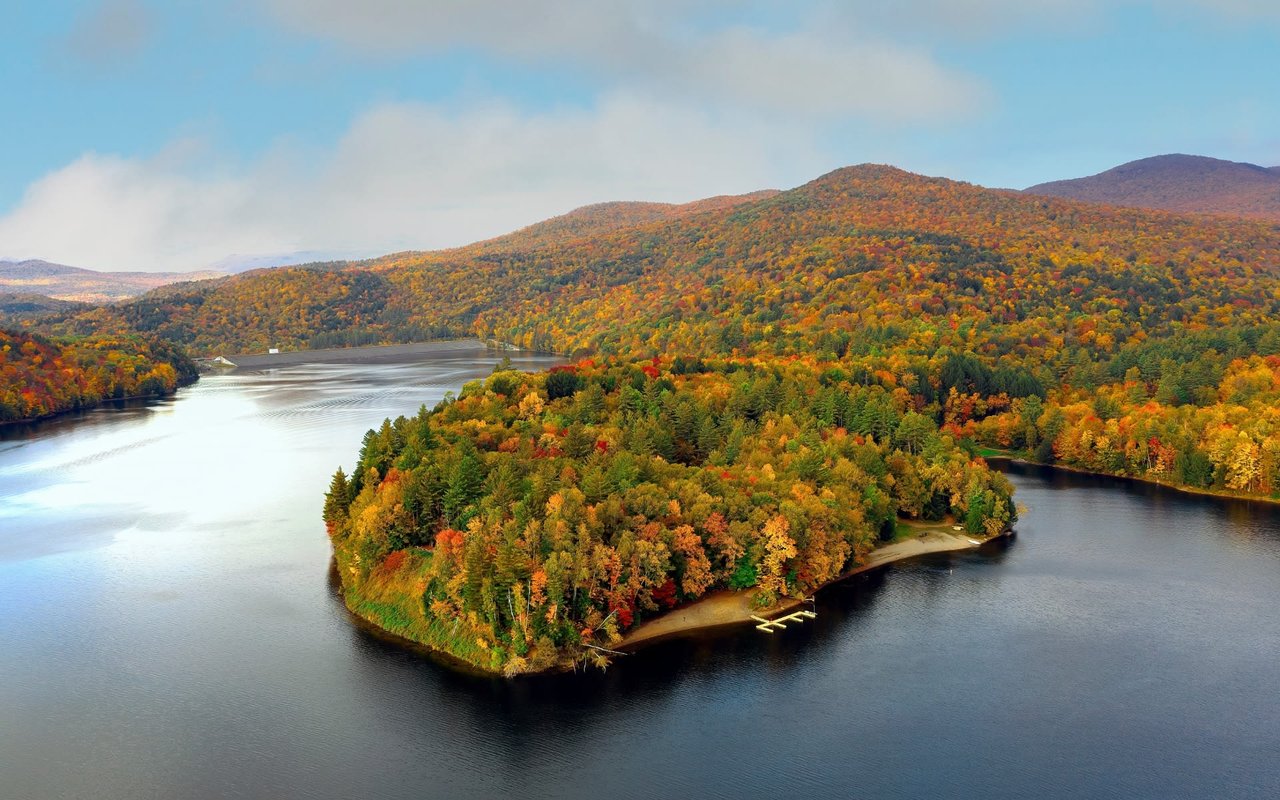
Hyde Park residents enjoy Green River Reservoir, a quiet, non-motorized state park known for paddling and camping. Riverfront along the Lamoille and tributaries is also available. On any waterfront or riverfront tract, review flood maps and river corridor guidance before planning a house site or septic. These factors can shape where and how you build.
Homes with mountain views are popular. On steeper land, you will want to check driveway grades, erosion control, and septic feasibility. These can affect both costs and emergency access. Plan your site walk with those details in mind.
Vermont classifies town highways from Class 1 to Class 4. Towns usually do not plow Class 4 roads in winter, and private roads are typically the owners’ responsibility. Before you buy, confirm the exact road classification and who maintains it in snow season.
Hyde Park’s bylaws set driveway standards for sight distance, drainage, grade, and emergency access. Shared driveways are encouraged, and private roads that serve multiple homes must meet specific private-road standards. If your entrance connects to a state highway like VT 15 or VT 100, a state access permit may apply. Always request recorded driveway or road easements and ask if there is a road association or a written maintenance agreement.
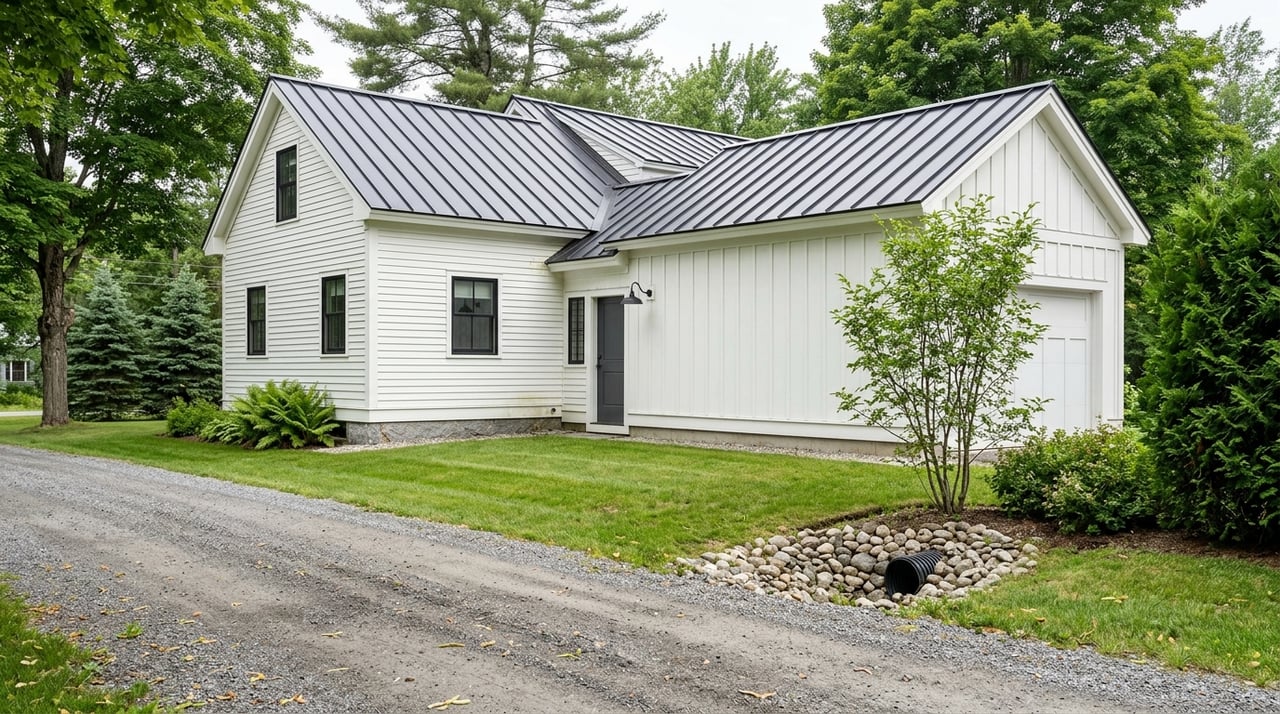
Culverts and small bridges can be a hidden risk. Undersized or aging crossings can flood or wash out. Ask who is responsible for the culvert and whether any repairs or upgrades have been documented.
Most country homes use private wells. The Vermont Department of Health recommends testing for bacteria annually and a broader set, including nitrates and arsenic, every five years. Depending on geology and nearby uses, you may also choose tests for radon in water, PFAS, and other contaminants. Ask the seller for any past lab reports and well yield or driller records.
When planning a new well, confirm the locations of all septic systems on and near the property to meet required isolation distances. Hyde Park’s bylaws and state rules require proper separation between wells and wastewater systems to protect drinking water.
On-site wastewater systems in Vermont must follow the state’s Wastewater System and Potable Water Supply Rules. For new or replacement systems, a state permit is required, and the design must meet siting, sizing, and separation standards. Larger or complex systems need a Vermont-licensed designer.
As a buyer, ask for the septic permit file, pumping records, and any inspection reports. If the system is older or records are incomplete, budget for evaluation and a possible upgrade. Confirm that a permitted replacement area exists on the lot.
Check FEMA’s Flood Map Service Center to see if a home or building site falls within a Special Flood Hazard Area. Lenders require flood insurance for structures in these zones. In Vermont, many flood losses have also occurred outside mapped FEMA areas, so do a second check using river corridor guidance from the Vermont Agency of Natural Resources. River corridors identify areas prone to fluvial erosion, which can limit building locations, septic siting, and additions.
If a structure is in a mapped flood area, ask for an elevation certificate. Also ask the seller about any history of high water or erosion on the property.
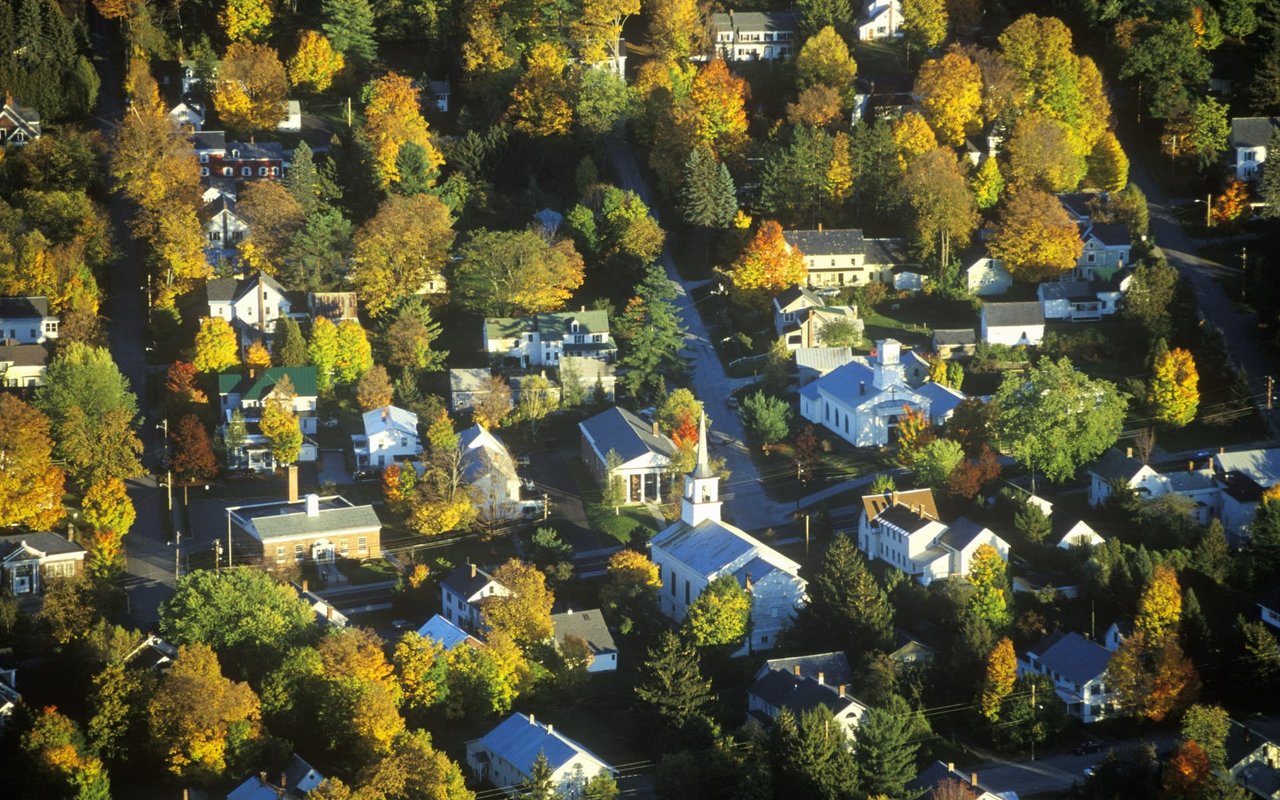
In parts of the village, you may find municipal electric, water, and wastewater services. Most country parcels use private wells and septic, and electric service may be provided by a regional utility. Confirm exactly which services your property has and request 12 months of electric and heating bills to gauge true carrying costs.
Heating systems often include propane, fuel oil, wood, or heat pumps. Ask whether propane tanks are owned or leased, and whether any wood or fuel contracts can transfer at closing. For questions on village utilities and contacts, use the Village of Hyde Park resources.
Lamoille County’s Communications Union District, Lamoille FiberNet, is expanding fiber broadband with partners. Coverage is improving but varies by location. For any rural address, confirm available providers, upload and download speeds, and whether last-mile service is live or scheduled.
Some parcels carry recorded conservation easements that limit subdivision, building locations, or timber harvest. Others may be in Vermont’s Current Use program for farm and forest land, which provides tax benefits but triggers a Land Use Change Tax if you develop enrolled acreage. Ask for a copy of the deed, any easements, and written confirmation from the town or state on Current Use status before you finalize plans.
You are close to groceries and services in Morrisville and to skiing, dining, and events in Stowe. Many buyers also come for the outdoors. The Lamoille Valley offers easy access to paddling at Green River Reservoir and a county-spanning multi-use rail trail. It is a strong mix of quiet back roads and convenient access to what you need.
Use this checklist to focus your due diligence:
A country home is about more than acreage and views. It is also about access, water and wastewater, well testing, utilities, and the right permits. If you want seasoned guidance from a team that knows Hyde Park and greater Lamoille County, connect with Coldwell Banker Carlson Real Estate. We will help you find the right property and navigate the details from first showing to close.
Ready to explore? Speak with a Local Stowe Expert at Coldwell Banker Carlson Real Estate.
Market Update
If you’re looking for the largest selection of real estate available in our area, you’ve come to the right place and we’re here to help you.