Walkable Living In Historic Stowe Village
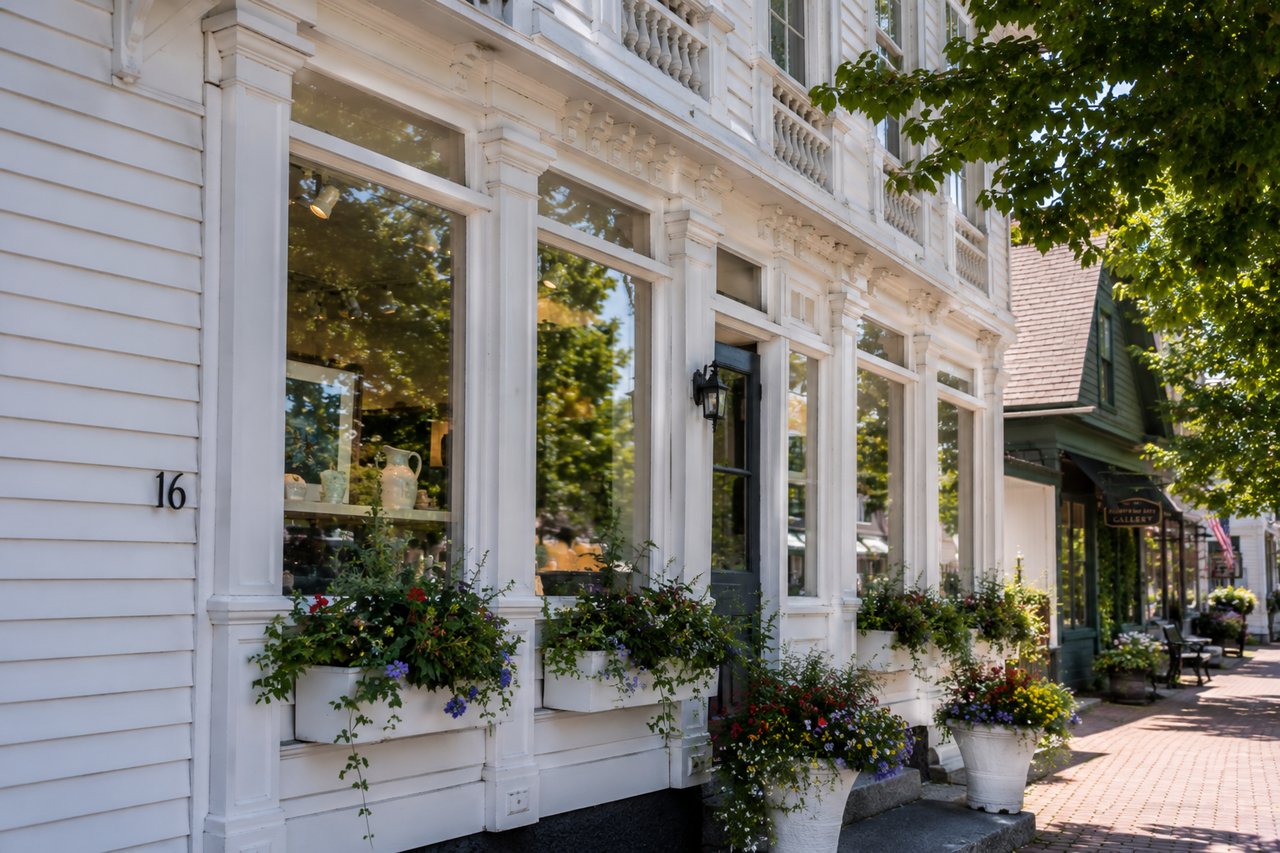
If you love the idea of stepping outside and walking to coffee, local shops, restaurants, arts venues, and scenic public spaces instead of planning every outing around your car, Stowe Village stands apart.
For many buyers, that kind of daily ease can feel surprisingly rare in a mountain town where rural living is also part of the appeal. In this guide, you’ll see what makes Historic Stowe Village different, how walkable living actually works here in real life, and why this part of town continues to attract both full-time and second-home buyers.
Let’s dive in.
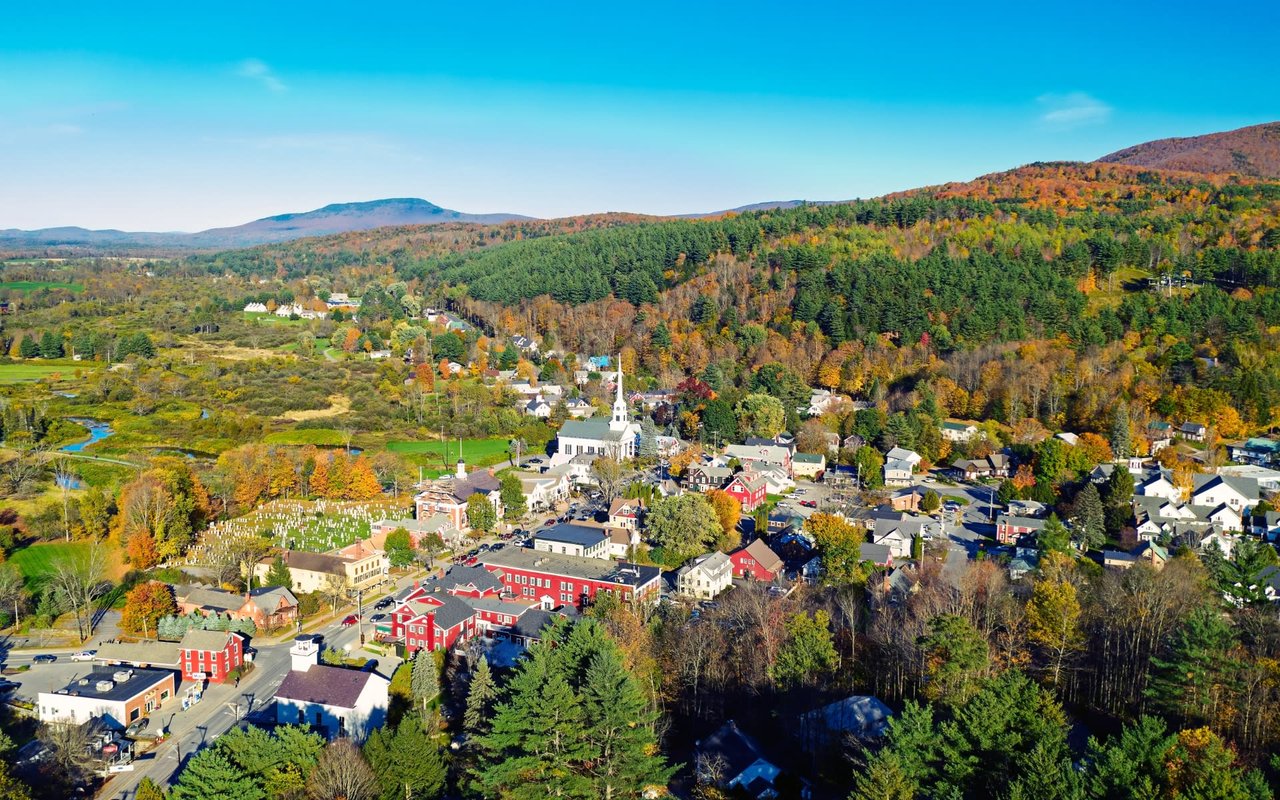
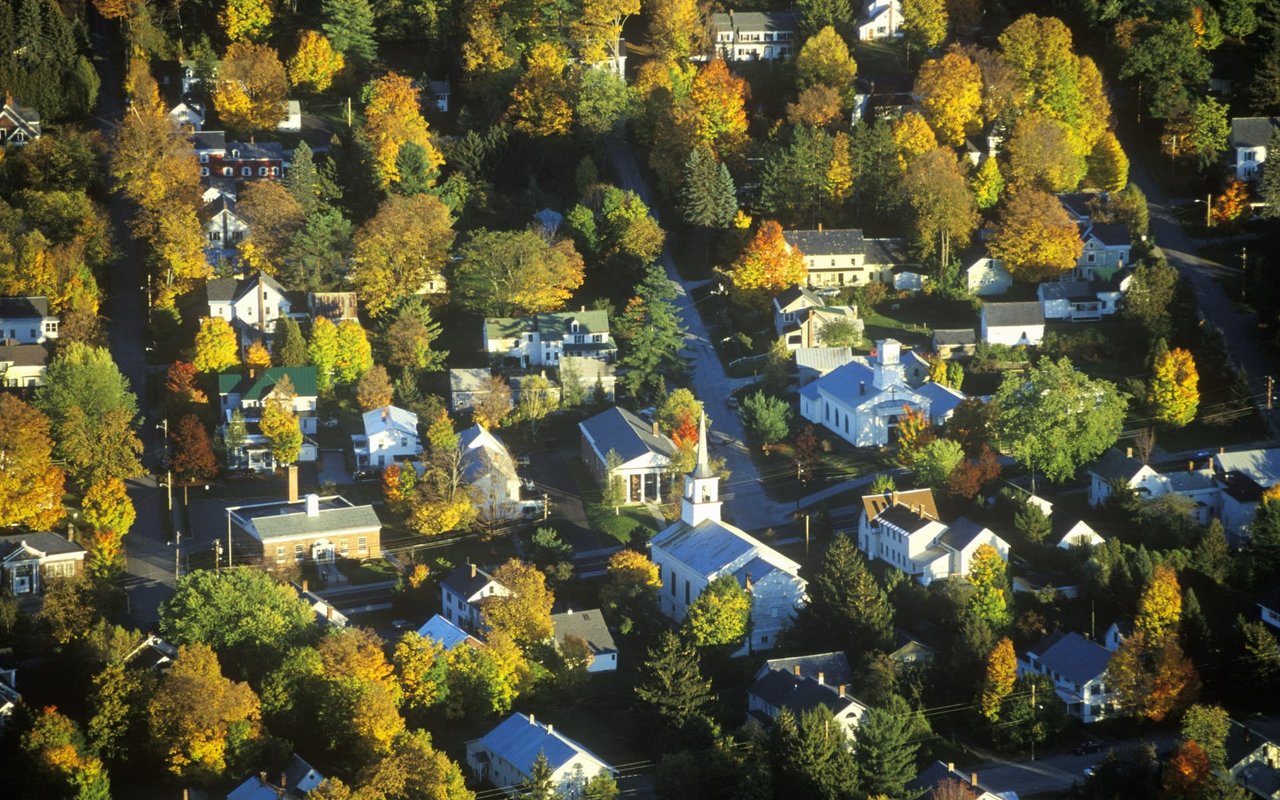
Stowe Village serves as the town’s compact historic and cultural center.
Unlike more spread-out areas of town, the village brings together:
Historic homes
Restaurants and cafés
Shops and galleries
Civic buildings
Public gathering spaces
Recreation access
all within a relatively connected and walkable area.
The village’s historic character plays a major role in its appeal. Stowe Village Historic District was added to the National Register of Historic Places in 1979 and includes a large collection of preserved residential, civic, commercial, and religious buildings that give the area its distinctive Vermont character.
That historic setting is not just scenic — it is functional.
Within the village core, buyers will find:
Town Hall
Stowe Free Library
The Current
Vermont Ski and Snowboard Museum
Schools
Local businesses
Memorial Park
Public spaces and community institutions
all woven into the same compact area.
Walkable living in Stowe is best described as “car-light” rather than fully car-free.
Most residents still use a vehicle for some trips, especially outside the village or elsewhere in town, but many day-to-day activities can happen within a relatively short distance.
That convenience creates a lifestyle that feels noticeably more connected and flexible.
Instead of driving across town for every errand, village residents can often:
Walk to coffee or breakfast
Pick up groceries or essentials
Meet friends downtown
Access the rec path
Attend local events
Visit galleries or restaurants
Spend time in public spaces
without needing to plan an entire day around driving.
For many buyers, especially those relocating from more urban or suburban environments, that balance of walkability and mountain-town atmosphere becomes a major part of the village’s appeal.
One reason the village feels practical for daily living is how much is concentrated into a relatively compact center.
Historic buildings, local businesses, arts venues, restaurants, services, and public spaces all exist within the same connected area. That layout naturally encourages walking for shorter trips and creates a stronger sense of activity throughout the day.
On a typical morning in the village, it is common to see locals grabbing coffee, walking dogs, biking toward the rec path, or heading down Main Street with Mount Mansfield visible in the distance.
That everyday movement is part of what makes the village feel alive year-round.
One of the biggest lifestyle advantages in the village is direct access to the Stowe Recreation Path.
The paved recreation path stretches for more than five miles from the village toward Topnotch along Mountain Road, connecting neighborhoods, restaurants, inns, businesses, and scenic public spaces along the way.
For village residents, access is especially convenient from the Main Street area near Lintilhac Park behind Stowe Community Church.
The path is not only a summer amenity. It supports:
Walking
Running
Biking
Snowshoeing
Cross-country skiing
through multiple seasons, helping the village maintain an active feel year-round.
For many buyers, the rec path becomes part of everyday life rather than just an occasional recreation feature.
Cold-weather convenience can make a major difference in Vermont.
The village remains active during the winter months, and seasonal shuttle service along Mountain Road adds additional flexibility for residents and visitors heading toward lodging, dining, and recreation areas.
For second-home buyers especially, the combination of:
walkability
recreation access
village services
winter activity
relatively easy lock-and-leave living
can make Stowe Village feel particularly appealing.
Walkability only works well when there is somewhere worth walking to — and Stowe Village offers much more than errands alone.
Arts and culture are deeply woven into everyday village life.
Within walking distance, residents can access:
The Current
Stowe Free Library
Vermont Ski and Snowboard Museum
Local galleries
Seasonal public art
Community events
Outdoor performances and cultural programming
That creative energy helps the village feel active and lived-in rather than simply tourist-oriented.
The gallery scene also contributes to the atmosphere, with several art spaces located within walking distance of Main Street.
Dining options are another major part of village life.
Within and around the village core, residents can walk to a mix of:
Coffee shops
Casual cafés
Wine bars
Sit-down restaurants
Specialty food shops
Bakeries and dessert stops
A few well-known village-area destinations include:
Cork
The Avocado Pit
Lake Champlain Chocolates
That accessibility helps support true day-to-day convenience. The village is not simply attractive in photos — it functions well for everyday living.
Choosing Stowe Village is not about deciding one lifestyle is better than another. It is about understanding the tradeoffs between a compact historic center and a more spread-out rural setting.
Both are important parts of Stowe’s identity, but they offer very different ownership experiences.
Village living typically means:
Greater proximity to amenities
Easier access to restaurants and shops
More community activity
Better walkability
Smaller lots and closer neighbors
Easier second-home convenience
Rural Stowe often offers:
Larger parcels of land
More privacy
Greater separation from activity
Mountain-view properties
A quieter, more secluded setting
More driving-dependent routines
The right fit depends entirely on how you want your day-to-day life to feel.
Stowe Village may be a strong fit if you want:
A compact historic setting
Walkability to local destinations
Easy access to arts and dining
Recreation path access
A low-maintenance second-home lifestyle
A stronger connection to community activity
Rural Stowe may be a better fit if you prefer:
Larger lots
Greater privacy
More acreage
A quieter setting
A home experience centered more on property and landscape
Neither choice is one-size-fits-all — they simply support different lifestyles.
For many buyers, Historic Stowe Village offers something increasingly difficult to replicate in a mountain-town setting: a compact center where history, recreation, culture, dining, and daily convenience all work together naturally.
For full-time residents, that can mean a more connected and flexible routine.
For second-home owners, it can create an easy-to-enjoy base that works well for weekends, seasonal stays, and lock-and-leave ownership.
In both cases, the appeal is not just the property itself — it is the lifestyle the location supports.
If you are considering homes in or around Stowe Village, local guidance can help you compare lifestyle, property type, and long-term fit with greater clarity. Coldwell Banker Carlson Real Estate can help you explore village and rural opportunities throughout the Stowe market.
Yes. Stowe Village remains active throughout the year, and the Stowe Recreation Path supports multi-season use including walking, biking, snowshoeing, and cross-country skiing.
Possibly. Most residents still use vehicles for some trips, but many day-to-day errands, dining options, and activities are accessible within the village core.
The village combines historic architecture, restaurants, galleries, recreation access, civic institutions, and public spaces within a compact and walkable setting.
For many buyers, yes. The combination of walkability, recreation access, dining, arts, and relatively easy lock-and-leave living makes the village especially appealing for second-home ownership.
Village living prioritizes convenience, proximity, and walkability, while rural Stowe typically offers more land, privacy, and separation from activity.
If you’re looking for the largest selection of real estate available in our area, you’ve come to the right place and we’re here to help you.