Buying Land In Wolcott, VT: What To Expect
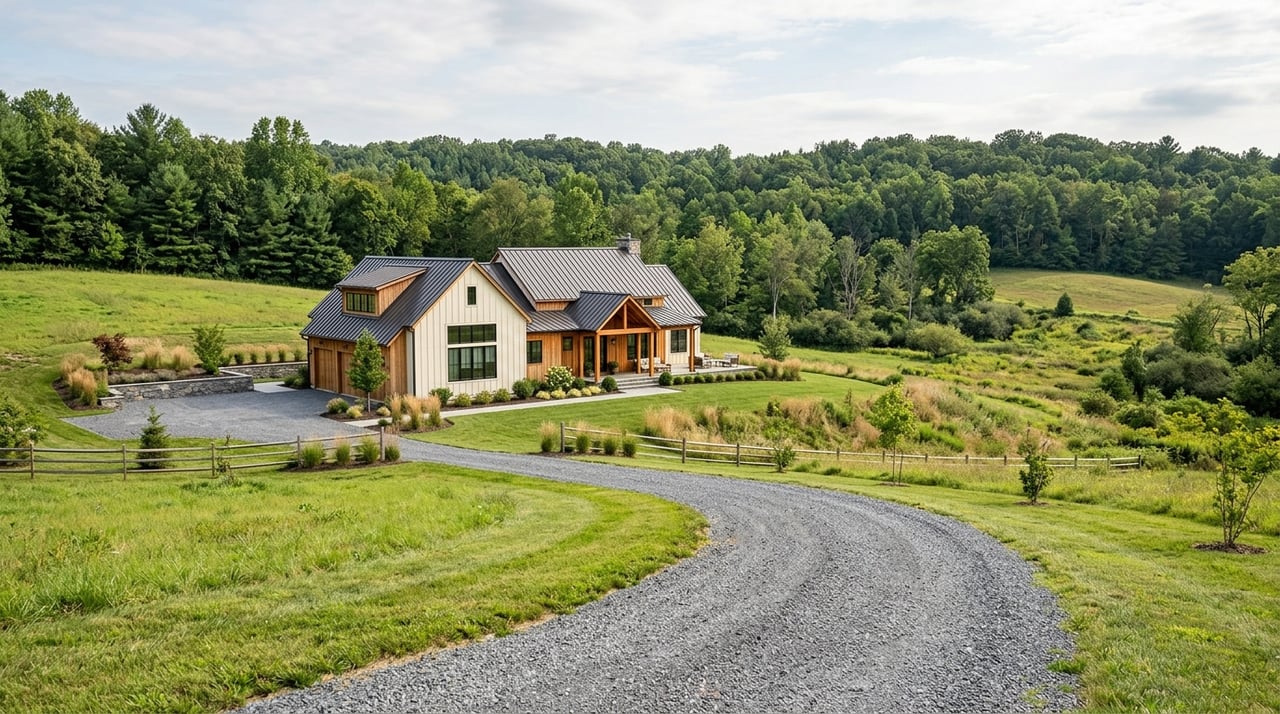
Thinking about buying land in Wolcott, VT? It can be a great way to create the kind of property you want, but raw land comes with a different set of questions than buying an existing home. In a rural town like Wolcott, details like zoning, road access, septic feasibility, and site conditions can shape what is actually possible. This guide walks you through what to expect so you can move forward with more clarity and confidence. Let’s dive in.
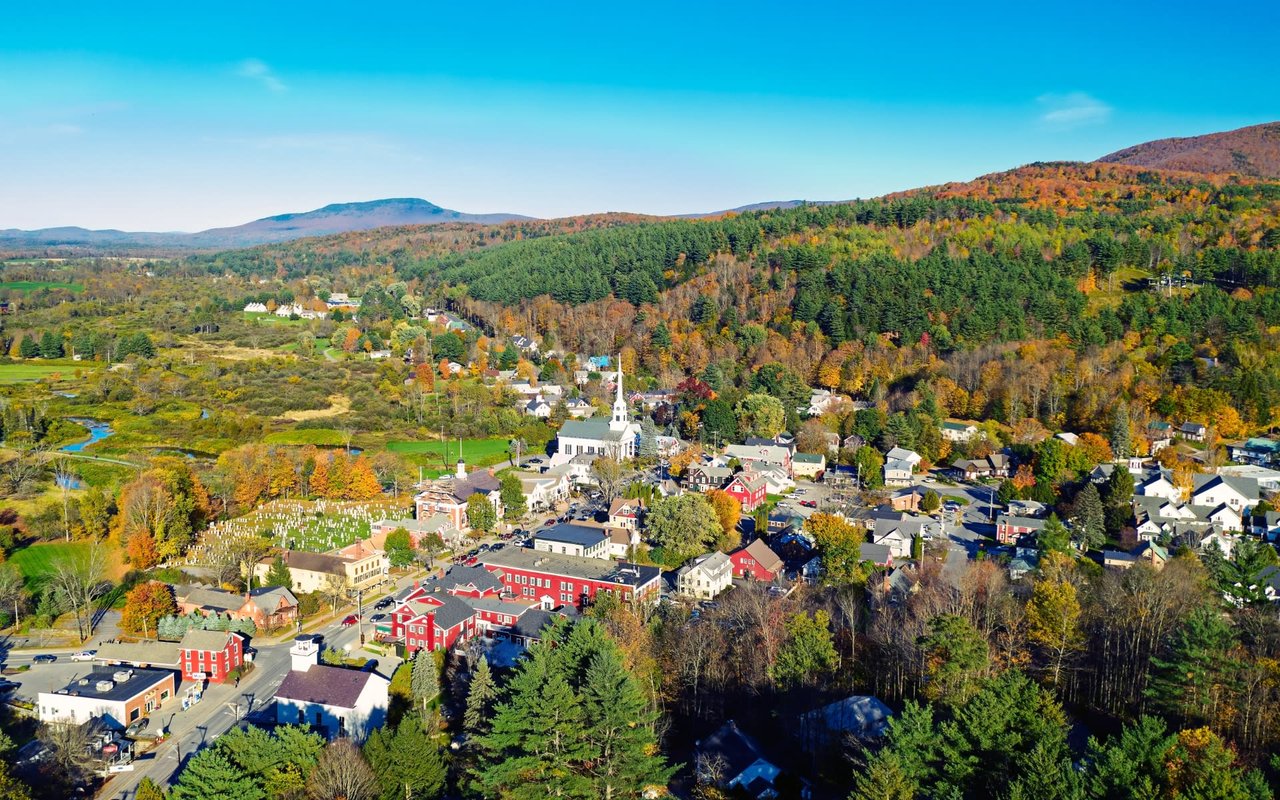
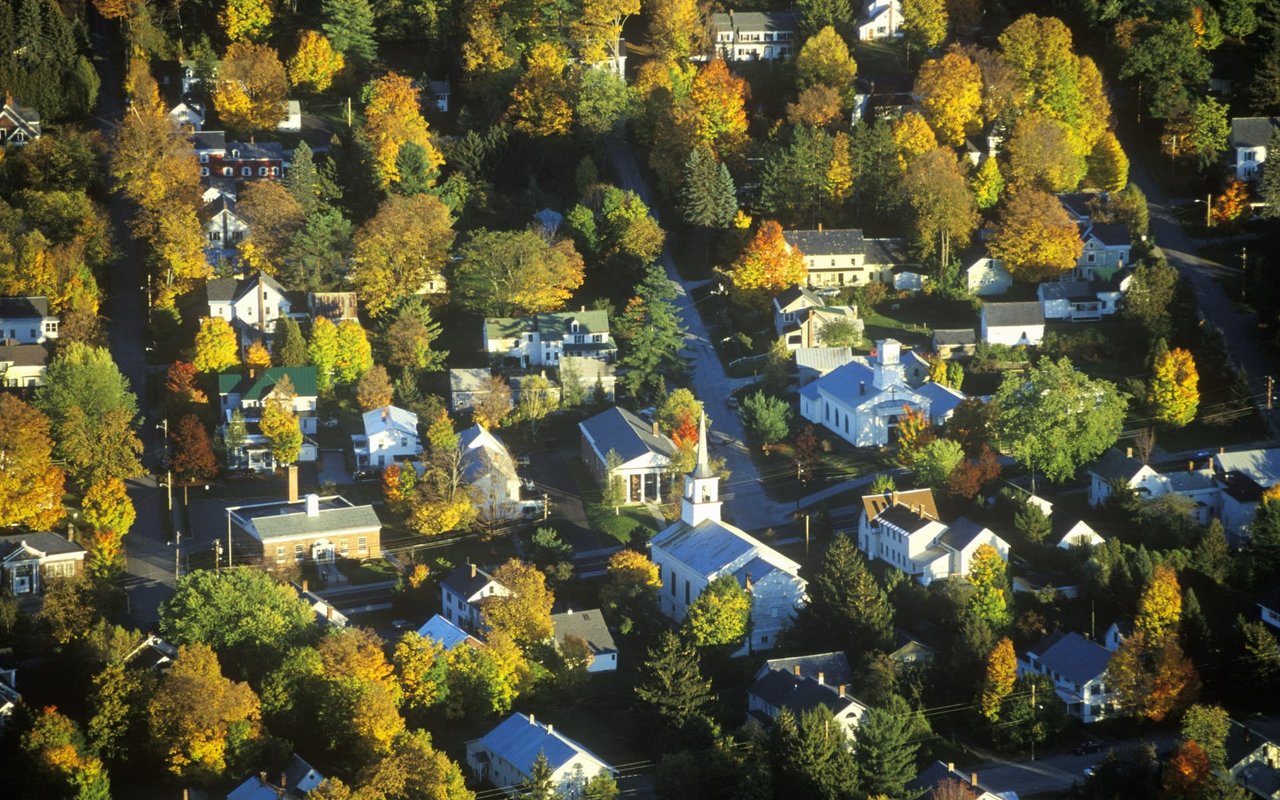
Wolcott offers a rural setting with scattered development, village clusters in Wolcott Village and North Wolcott, and much of its commercial activity along Route 15, according to the town’s draft 2026 to 2034 Municipal Development Plan. For many buyers, that creates room for a primary home, a small homestead, a home occupation, or agricultural and forestry-related uses.
The same plan describes Wolcott as closely connected to nearby service centers like Morristown and Morrisville, Stowe, Montpelier, and Hardwick. That means you may get the privacy and pace of a rural property while still relying on neighboring towns for many day-to-day needs.
Wolcott is also important to understand on practical terms. The town plan notes there is no traditional fixed-route passenger transit, broadband is improving but uneven, and cellular service can be limited. If you are considering full-time use, remote work, or a business use allowed by zoning, those basics deserve early attention.
Before you think about house plans, driveways, or even price per acre, look at zoning. In Wolcott, zoning is often the first and most important filter for whether a parcel fits your goals.
According to the town’s Zoning and Subdivision Bylaws, Wolcott has six base zoning districts:
The bylaws also include two overlay districts:
Overlay districts matter because they can be more restrictive than the base zoning district. In other words, even if a use seems allowed in the underlying district, the overlay rules may still limit what you can do.
For many land buyers, the Rural District will be the most relevant starting point. The bylaws say this district is intended for medium-density rural residential development, small businesses, home businesses and industries, farming, forestry, recreation, and value-added agricultural or forest-product uses.
The Rural District standards include:
Single-family dwellings are listed as a permitted use in the Rural District. That makes it a common fit for buyers who want to build a home with a rural feel, but you still need to confirm the parcel meets all applicable standards.
The Route 15 Corridor has a different purpose. The bylaws state that it is meant to preserve a safe travel corridor and direct commercial and industrial development to areas with good highway access.
Its standards include:
The Village and Village Core districts allow denser and more mixed uses than the Rural District. The town plan and bylaws describe those areas as Wolcott’s social, commercial, and governmental centers, where a broader mix of residential and service-oriented development is expected.
In Wolcott, acreage alone does not tell you whether land is practical to build on. Legal access and road frontage can be just as important.
The zoning bylaws state that a lot cannot be developed without legal access onto a public or private highway, and new lots must have frontage on a public or private road. A driveway or shared driveway does not create frontage, which is why landlocked parcels need very careful review.
This is one of the biggest issues buyers should understand before making an offer. An easement may allow you to cross land, but the bylaws say an easement alone is not enough to create a buildable lot in a subdivision context.
Access approval depends on the type of road involved:
If a parcel borders a state highway, the town requires a state access permit before zoning approval can move forward. That is a key detail for buyers looking at land with frontage on major roads.
Wolcott’s bylaws include driveway standards focused on emergency access and runoff control. In general, driveways cannot exceed an 8% grade.
The bylaws also say residential driveways should be at least 12 feet wide with a 15-foot turn radius, while commercial and industrial driveways and private roads should be 20 feet wide. On a steep or narrow parcel, these standards can affect where and how you build.
A parcel may look beautiful on paper and still be challenging in practice. In Wolcott, topography, soils, wetlands, and flood considerations can all influence your options.
The town plan’s soil limitations mapping highlights areas with steep slopes above 30%, shallow bedrock, high water tables, instability, and erosion risk. That does not automatically mean a lot is unbuildable, but it may mean the site needs careful siting, special construction, or a smaller development footprint.
The town plan says flood hazard areas follow the Lamoille River and other waterways and are based on FEMA flood maps. The zoning bylaws also regulate development in flood hazard areas, so this is not something to leave until late in the process.
Wetland review matters too. The plan notes that the Vermont Significant Wetlands Inventory map is approximate and that field delineation controls. In simple terms, map review is a starting point, but field work may be needed for real answers.
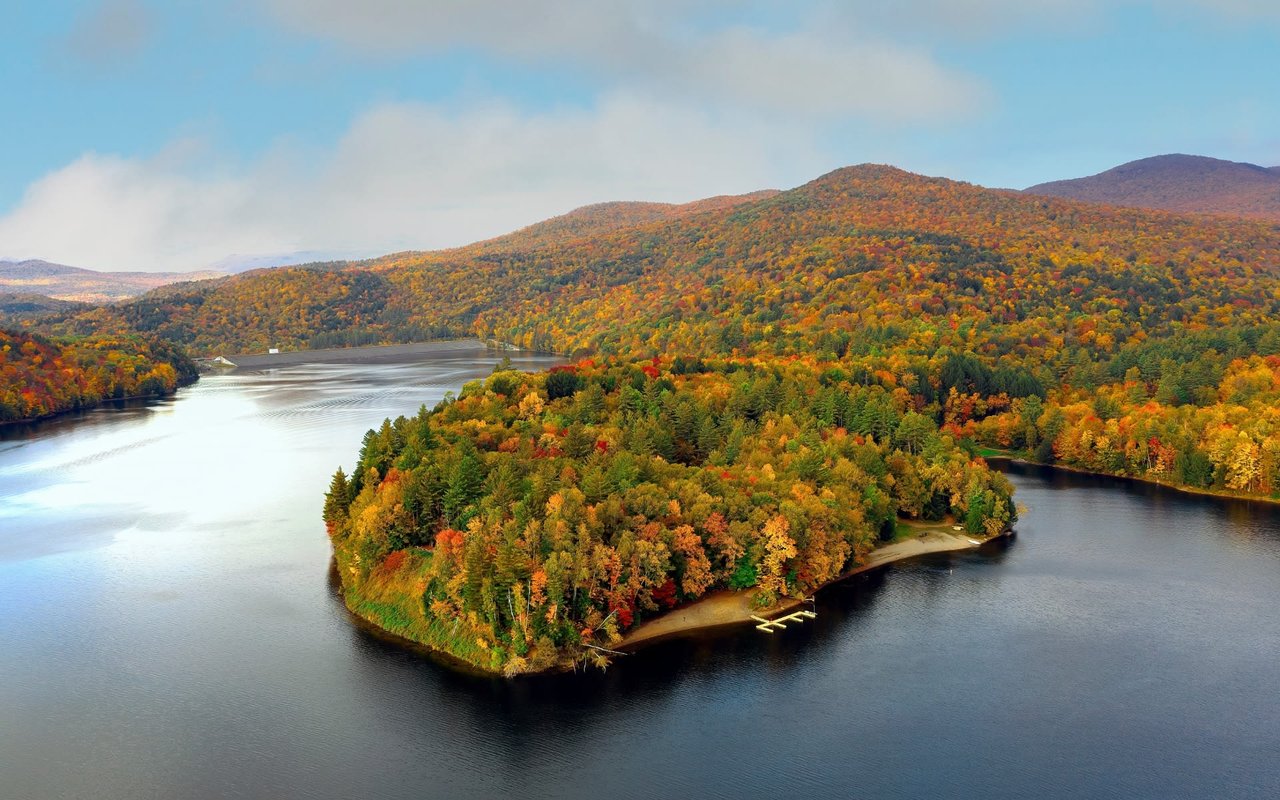
If you are buying land near water, you will want to review shoreland restrictions closely. Wolcott’s Shorelands District covers land within 500 feet of Wolcott Pond, Wapanaki Lake, and Zack Woods Pond.
The bylaws require compliance with the Vermont Shoreline Protection Act and maintaining trees or ground cover for the first 100 feet from the normal mean water mark. If your dream is a waterfront build, these rules should be part of your early due diligence.
One of the biggest adjustments for land buyers in Wolcott is understanding infrastructure. Most of the town does not have municipal sewer or water.
According to the municipal plan, the vast majority of homes rely on private wells and springs, and sewage is generally handled through individual on-site septic systems. The town owns two small water systems, and a community wastewater system is planned for Wolcott Village Center and portions of Route 15.
For many buyers, that makes wastewater and potable water feasibility the first major technical question. The Vermont DEC Wastewater System and Potable Water Supply Program handles permits for soil-based wastewater systems under 6,500 gallons per day and for non-public potable water supplies.
Because private systems are so common, it is normal to bring in a qualified professional early. The state maintains a licensed designer program for wastewater and potable water systems, including several classes of approved designers.
If you are buying a rural lot, hiring a licensed wastewater designer is often a practical part of due diligence. It is one of the clearest ways to learn whether the site can support the type of home or use you have in mind.
The town plan says most of Wolcott is served by Hardwick Electric Department, while Morrisville Water and Light serves residents on the west side. Broadband is improving in some locations, but service remains uneven overall, and cellular coverage can be limited.
That may not be a deal breaker, but it should shape your expectations. If you plan to work from home or need reliable connectivity, confirm service availability before you close.
Wolcott requires a zoning permit before development begins. The bylaws say all property owners must be applicants or co-applicants, and the zoning administrator must act on a complete application within 30 days.
The same bylaws also state that a permit cannot be issued until required local approvals are resolved. If state approvals are needed, especially for highway access or wastewater, those pieces may need to be lined up first.
There is another practical rule buyers should know. The DRB will not approve a new lot that has no potential permissible use. That means subdivision plans need to result in lots that are actually usable under the bylaws.
For local forms and regulations, Wolcott’s documents page is a helpful place to start. It includes the Driveway Permit, Wastewater Ordinance, Highway Standards, and the Zoning and Subdivision Regulations.
If you are preparing to buy land in Wolcott, these are some of the most important questions to answer before you commit:
In Wolcott, the most useful question is often not “How many acres is it?” but “How usable is it for what you want to do?” A parcel’s zoning, access, utility feasibility, and site constraints often matter more than raw size.
Buying land here can be rewarding, but the process is smoother when you ask the right questions early. If you want local guidance on evaluating land in Wolcott or anywhere in Lamoille County, connect with Coldwell Banker Carlson Real Estate for knowledgeable, full-service support.
If you’re looking for the largest selection of real estate available in our area, you’ve come to the right place and we’re here to help you.