Life On And Around Lake Elmore: What Homebuyers Should Know
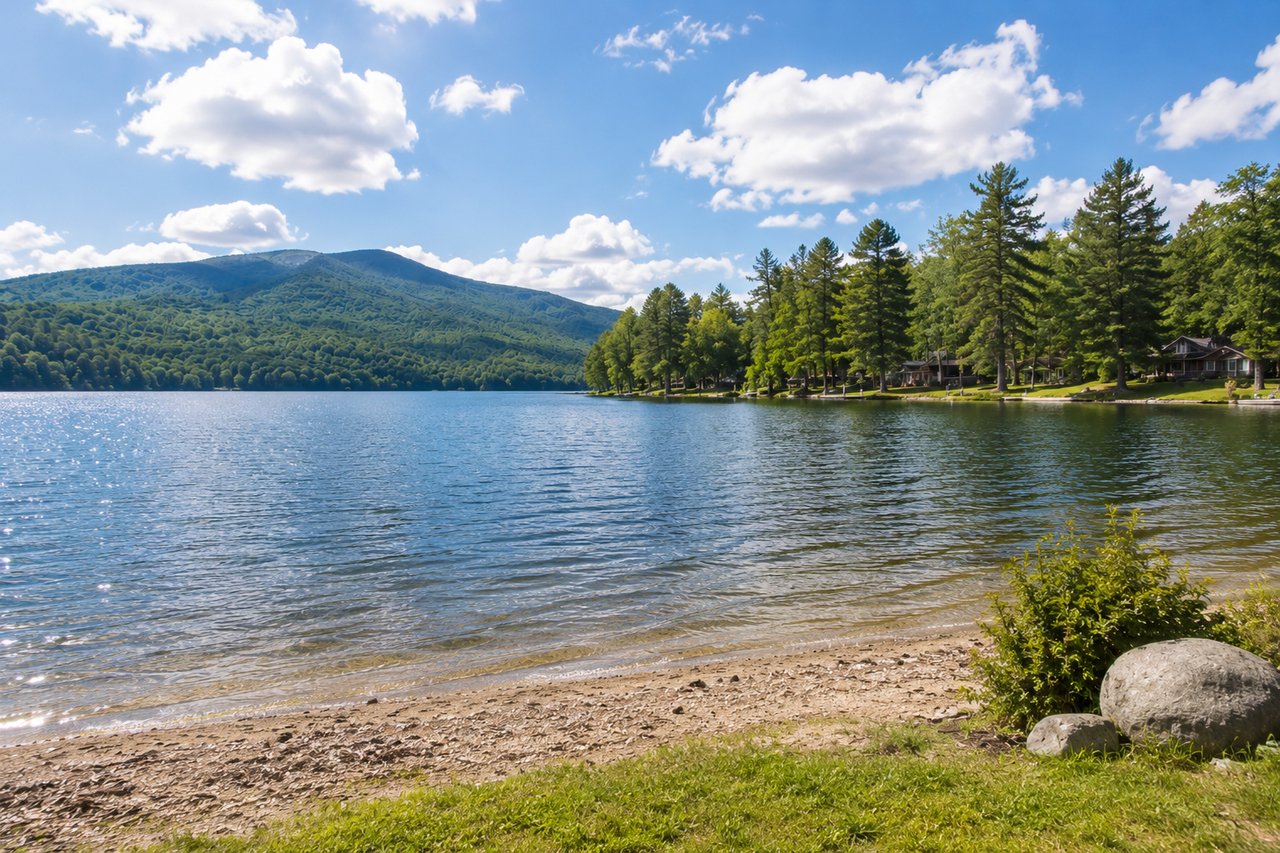
If you are dreaming about a quieter Vermont lake lifestyle, Lake Elmore offers a setting that feels both peaceful and active.
You might be looking for a year-round home, a seasonal retreat, or a property that gives you easier access to water, trails, and mountain views. This guide will help you understand what life around Lake Elmore actually feels like — from recreation and seasonality to zoning considerations and winter-ready homeownership.
Let’s dive in.
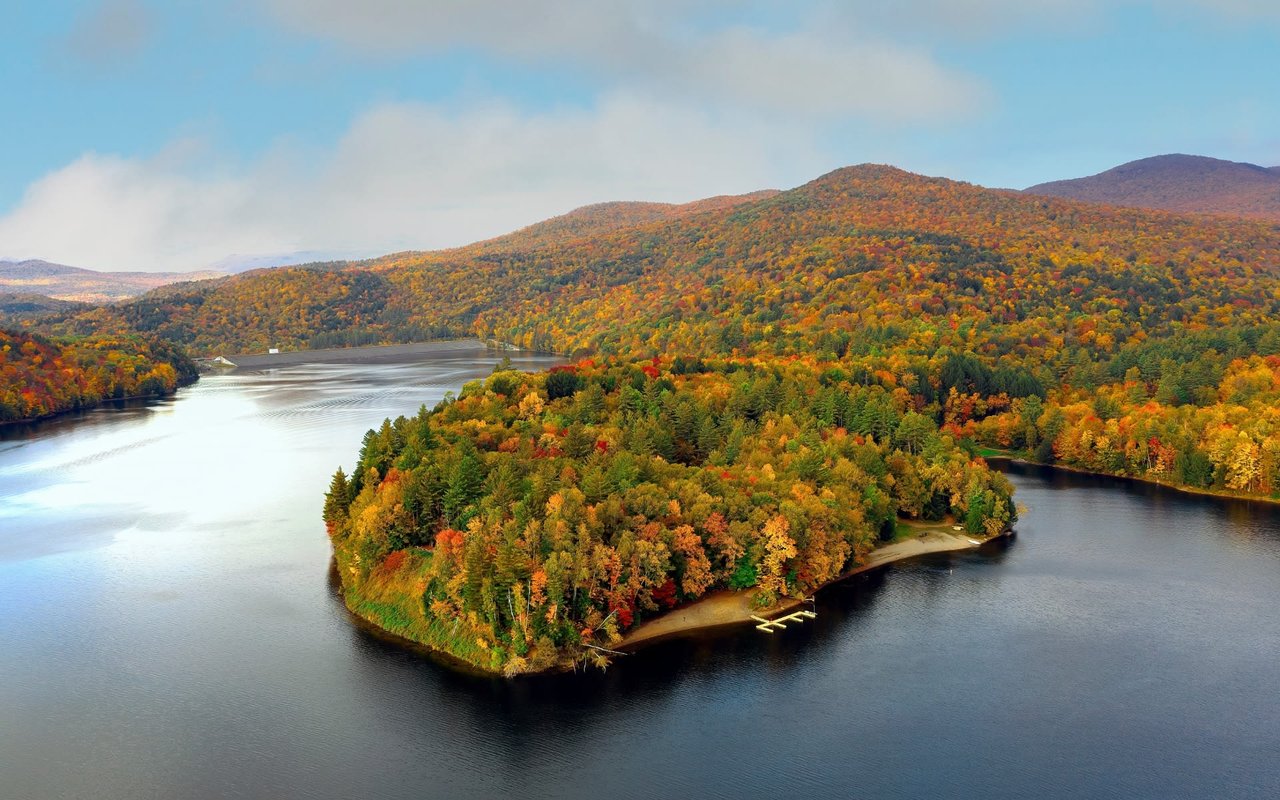
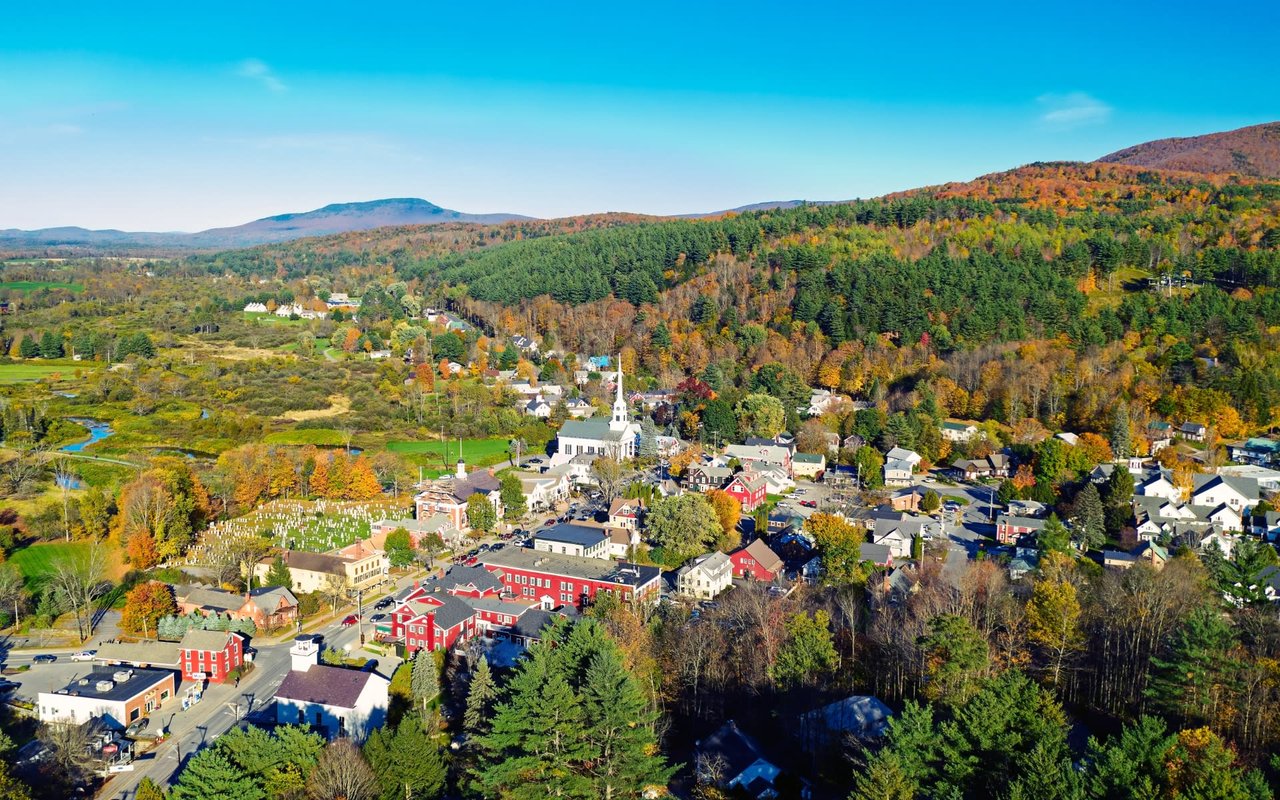
Lake Elmore sits in the town of Elmore in Lamoille County, surrounded by a landscape that feels distinctly Vermont — wooded hillsides, open agricultural land, and the iconic backdrop of Elmore Mountain.
The lake itself is relatively small compared to some of Vermont’s larger waterfront destinations. State sources describe it as just over 220 acres with a maximum depth of roughly 17 feet. That smaller scale is part of the appeal for many buyers, giving the area a more intimate and quieter atmosphere.
Lake Elmore tends to attract buyers looking for a more understated Vermont lake experience — one that feels residential, scenic, and connected to nature rather than heavily commercial or resort-driven.
One of the most important things to understand about Lake Elmore is its seasonal rhythm.
Elmore State Park is a major activity hub around the lake and typically operates from Memorial Day weekend through mid-October. During the warmer months, the area feels active with swimmers, paddlers, hikers, campers, and seasonal visitors enjoying the lake and nearby trails.
By late fall and winter, the atmosphere shifts noticeably. The area becomes quieter, slower paced, and more residential.
For buyers considering property around Lake Elmore, it helps to imagine not only a summer weekend at the lake, but what ownership feels like in January, mud season, and late fall as well.
For many buyers, access to the lake itself is a major part of the appeal.
Elmore State Park offers:
A sandy swimming beach
Boat and paddleboard rentals
Picnic areas
Camping
Hiking trails
Access to Elmore Mountain and its historic fire tower
Restrooms and changing facilities
Seasonal concessions
The area is especially popular for:
Kayaking
Paddleboarding
Canoeing
Fishing
Hiking
Relaxed lake days during the summer months
The campground also contributes to the area’s seasonal activity and tourism, bringing visitors to the lake throughout the warmer months.
For fishing enthusiasts, Lake Elmore supports species including northern pike, smallmouth bass, yellow perch, panfish, and bullhead.
One thing buyers should understand early on is that Lake Elmore is not a fully private shoreline environment.
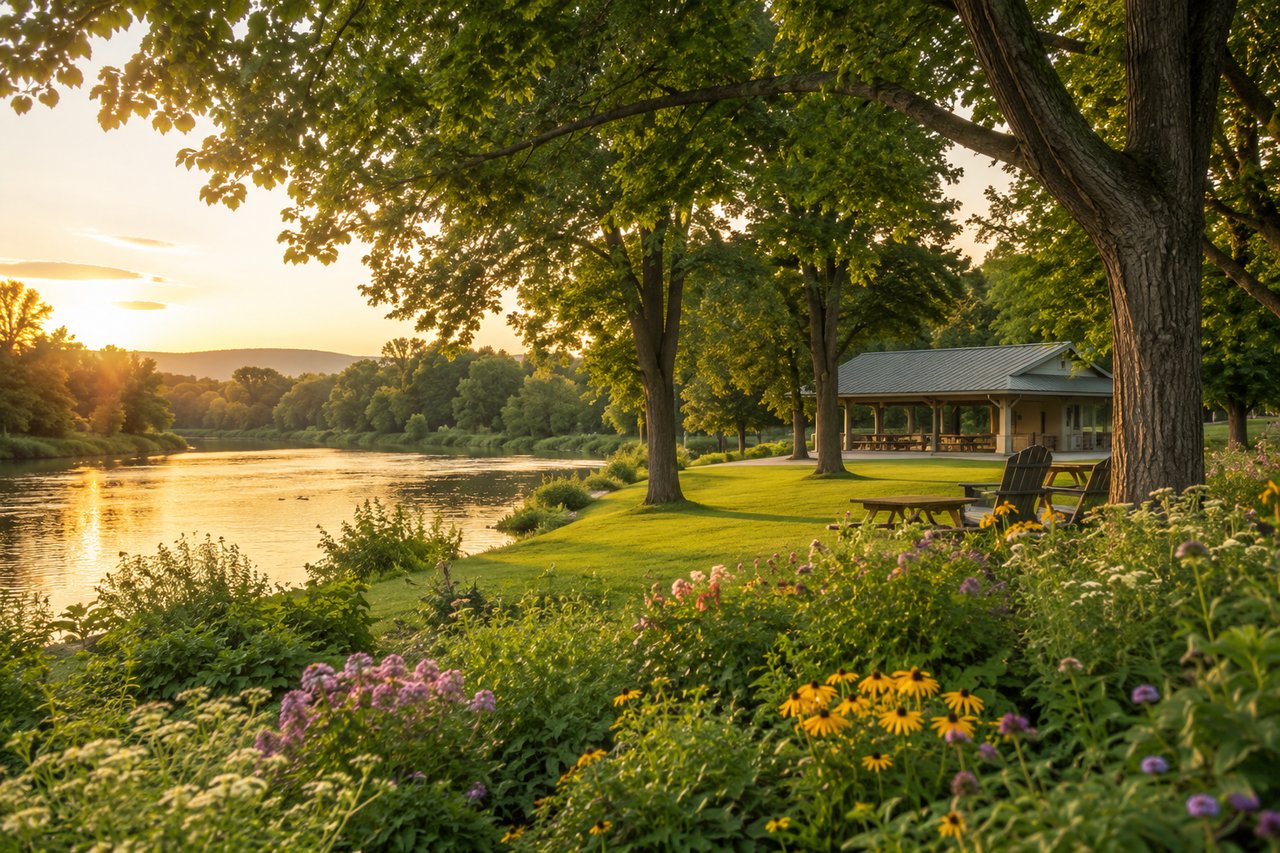
Between the state park and the public fishing access area, the lake functions as an active mix of residential homes and public recreation spaces. That public access is part of what makes the lake feel welcoming and usable, particularly for boating and lake recreation.
For some buyers, that is a major advantage.
For others, it is important to think carefully about:
Traffic during peak summer weekends
Proximity to busier shoreline areas
Boat access activity
Seasonal visitor patterns
Location around the lake can significantly shape the ownership experience.
Buyers exploring the Lake Elmore area may encounter a fairly wide range of property styles.
Depending on the location and zoning, inventory may include:
Year-round homes
Seasonal camps
Older cottages
Renovated lake homes
Rural properties near the lake
Cabin-style retreats
Some homes are fully winterized and designed for year-round living, while others function more comfortably as seasonal properties.
This distinction matters more than many out-of-state buyers initially realize. A home that feels perfect in July may raise very different questions once winter arrives.
That is why local guidance and careful due diligence are especially important in lake communities like this.
If you are shopping near the water, shoreline zoning should become part of the conversation early in the process.
Elmore’s Developed Shoreland District applies to land within 500 feet of the lake shoreline and is designed to help protect water quality, preserve shoreline character, and manage future development around the lake.
For buyers, that means potential plans for:
Additions
Tree clearing
Shoreline improvements
Site work
Expanded structures
may require additional review or approvals.
Lakefront ownership often comes with more regulation than buyers initially expect, particularly when properties sit close to the shoreline.
That does not make ownership difficult — it simply means buyers should understand the rules before making assumptions about future improvements.
Water supply is another important due diligence topic around Lake Elmore.
Like many rural Vermont communities, some homes rely on private wells or springs rather than municipal water systems. In those cases, homeowners are responsible for ongoing testing and maintenance.
If a property uses a private water source, buyers should ask about:
Water testing history
Flow rates
Seasonal reliability
Filtration systems
Maintenance records
This is not unusual for Vermont properties, but it is an important part of understanding long-term ownership responsibilities.
In northern Vermont, winter is not a minor detail — it is a major part of homeownership.
For buyers considering Lake Elmore property, practical winter considerations matter just as much as the lake views.
Some important questions to ask include:
Is the driveway plowed consistently?
Is there adequate snow storage space?
Does the home have reliable insulation?
Is there a backup heat source?
Are carbon monoxide detectors installed with battery backup?
Is the roof designed to handle snow load and ice buildup?
These questions become especially important for:
Older homes
Cabins
Seasonal properties
Homes that may sit vacant for portions of the winter
For out-of-state buyers in particular, understanding how a property performs during Vermont winters is essential.
Some owners enjoy winter recreation near the lake, but frozen lake conditions should always be approached carefully.
Ice thickness and stability can vary significantly throughout the winter, and warming weather patterns have made conditions less predictable than they once were.
Lake life during the winter can be incredibly beautiful and peaceful — but buyers should approach frozen-water recreation with caution and avoid assuming lake ice is automatically safe.
Lake Elmore can be an excellent fit for buyers seeking:
A quieter Vermont lake setting
Public recreation access
Scenic mountain surroundings
Four-season outdoor activity
A more residential and understated atmosphere
At the same time, successful ownership here means looking beyond the views alone.
Winter access, shoreline regulations, water systems, seasonal use patterns, and long-term maintenance all play a major role in the ownership experience.
With the right local guidance, buyers can better understand both the opportunities and responsibilities that come with lakefront and lake-area ownership.
If you are exploring homes, camps, land, or waterfront property in Lamoille County, Coldwell Banker Carlson Real Estate can help you navigate the details that matter most.
Lake Elmore has a strong seasonal rhythm, with the most visible recreation activity from late spring through early fall and a quieter, more residential feel during the winter months.
Properties near the shoreline may fall under Elmore’s shoreland zoning regulations, so buyers should review local rules before planning additions, clearing, or shoreline improvements.
Elmore State Park offers swimming, camping, hiking, boat rentals, paddleboarding, picnic areas, and access to Elmore Mountain and its fire tower.
Buyers may find year-round homes, seasonal camps, cottages, cabin-style properties, and rural homes near the lake.
Important questions include plowing, insulation, backup heating, snow storage, roof conditions, and how the property performs during Vermont winters.
If a home relies on a private well or spring, the homeowner is responsible for testing, maintenance, and monitoring water quality over time.
Market Update
If you’re looking for the largest selection of real estate available in our area, you’ve come to the right place and we’re here to help you.