Lake Elmore Homeowners’ Guide to Vermont ADU Rules
Thinking about adding an accessory dwelling unit to your Lake Elmore property? An ADU can create space for family, generate rental income, or offer a flexible home office with a full living setup. The upside is real, but in Vermont, success starts with careful planning around zoning, septic capacity, and state permits. This guide walks you through the essentials so you can move forward with confidence and avoid common roadblocks. Let’s dive in.
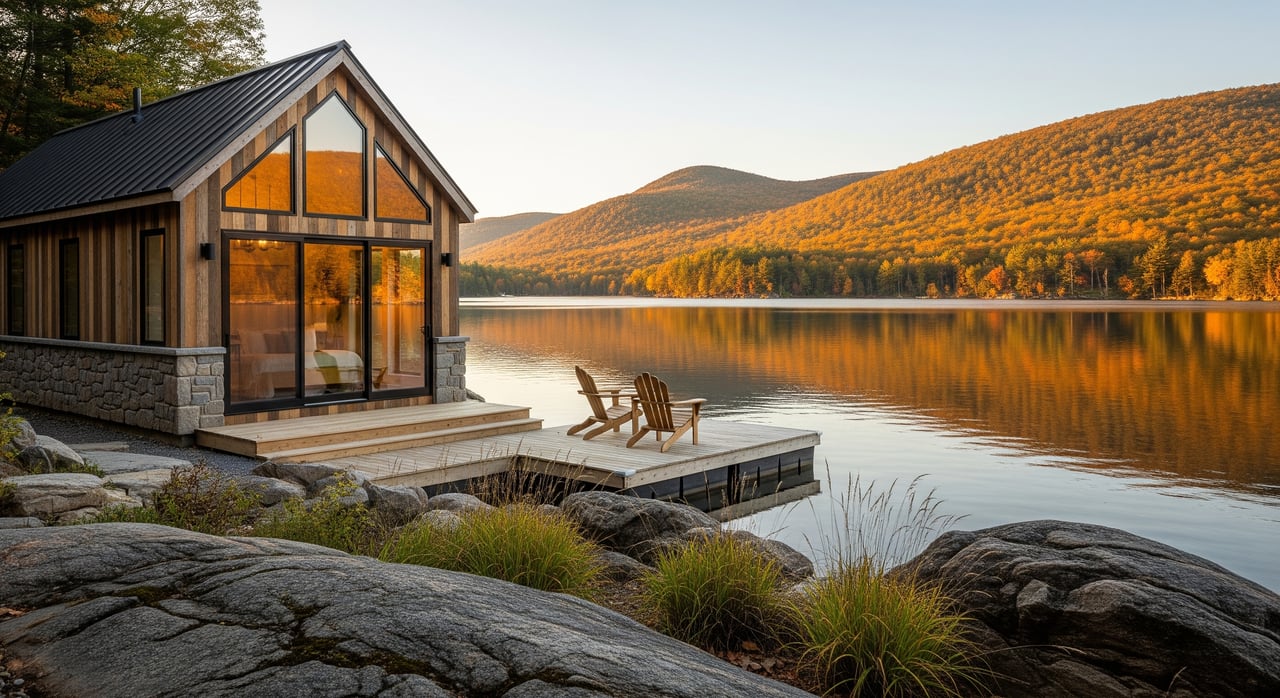
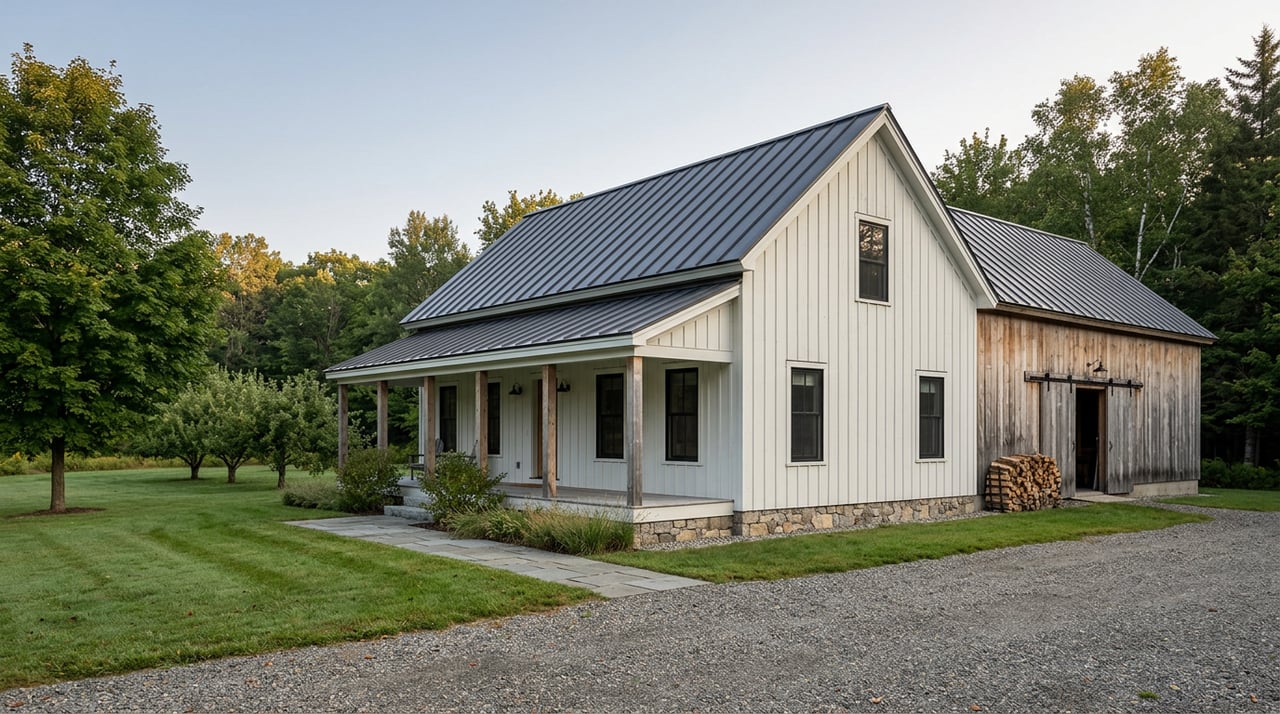
An accessory dwelling unit is a secondary housing unit on the same lot as your primary single-family home. You can build it within your home as an interior unit, attach it as an addition, or build a separate small cottage as a detached ADU. Garage conversions and apartments over garages are also common.
Homeowners in Lake Elmore often use ADUs for multigenerational living, long-term rental income, or a guest space that doubles as a quiet work retreat. Before you choose a design, decide how you plan to use the space and whether you will continue living in the main house.
Local zoning is your first stop. Towns in Vermont vary, so you need to confirm whether an ADU is allowed in your zoning district and what form it can take. The Town of Elmore’s Zoning Administrator or Town Clerk can provide the current bylaw, setback and lot coverage rules, parking standards, and whether any local shoreland or floodplain regulations apply.
If your property is within a special overlay, such as shoreland or floodplain, you may have added review steps or placement limits. The Lamoille Regional Planning Commission can offer regional context and maps to help you understand constraints before you design.
ADUs must meet Vermont’s residential building code and energy standards. Plan for safe egress, adequate ceiling heights, proper ventilation, and smoke and carbon monoxide alarms. The Vermont Division of Fire Safety oversees building code administration in many municipalities, and permits or inspections are typically required.
If you are designing for aging in place, consider universal design features like no-step entries and wider doorways. While accessibility may not be required for a small ADU, planning for it early can make the space more flexible over time.
Septic capacity is often the make-or-break factor in rural Vermont. Many Lake Elmore homes use private septic systems and wells, and adding a unit usually increases wastewater flow. Vermont’s Wastewater System and Potable Water Supply Rules require a septic evaluation and, in many cases, a new or amended permit when you add bedrooms or a dwelling unit.
Start by gathering your septic as-built plans and any previous permits. A licensed septic designer can assess your tank and leachfield and advise whether upgrades are needed, including options like mound or sand filter systems. If you rely on a private well, you may need to confirm adequate flow and separation distances between the well and all septic components.
Properties near the lake often have additional safeguards. Shoreland protection, wetlands buffers, and floodplain rules can affect where a detached ADU, septic field, or driveway can go. The Vermont Agency of Natural Resources can help you understand wetlands and shoreland considerations, and local floodplain administrators can direct you to the latest FEMA maps.
Do this review early, especially if you plan a detached ADU. It will save time and prevent redesigns later.
Adding an ADU commonly increases your property’s market and assessed value, which can affect property taxes. The Lamoille County Assessor can help you understand potential impacts based on your plans. If you plan to rent, rental income is taxable at the federal and state levels, and short-term rentals may be subject to rooms and meals or local occupancy taxes.
Short-term rental rules vary by town. Some municipalities require registration or limit occupancy, while others focus on safety and tax compliance. Confirm the latest requirements with the Town of Elmore and the Vermont Department of Taxes before you invest in furnishings and marketing.
Update your homeowners policy to reflect the ADU and any rental activity. If you plan to rent, ask about landlord coverage and consider higher liability limits. For a detached or rented unit, expect added attention to smoke detection, carbon monoxide alarms, and fire separation as required by code.
Clear lease language and a simple safety checklist can protect both you and your tenants. Consider requiring renters’ insurance for added peace of mind.
Rural sites bring unique logistics. Plan for snow-season access, steep driveways, and material deliveries that may require staging. Utilities such as electrical service or propane lines may need extensions, and internet availability can be important if a tenant works from home.
Vermont places a strong emphasis on energy efficiency. Heat pumps, added insulation, and efficient appliances can reduce operating costs, and statewide programs often offer incentives to help with upgrades.
Key cost drivers include septic upgrades, foundation conditions, site access, and utility extensions. For financing, many owners explore HELOCs, cash-out refinances, construction loans, or Vermont-focused programs through statewide housing agencies and USDA Rural Development where eligible.
From idea to move-in, expect a total of 4 to 12 months or more depending on scope and season.
An ADU can add flexibility and long-term value for a Lake Elmore property when it is planned well. Start with zoning, confirm wastewater capacity, and line up the right professionals so you can move from concept to completion without costly detours. With a clear path and realistic budget, your ADU can serve your family or generate income for years to come.
If you want to explore how an ADU could impact your property’s value or rental potential, connect with the local team that knows Lamoille County best. Speak with the advisors at Coldwell Banker Carlson Real Estate for local guidance and next steps.
If you’re looking for the largest selection of real estate available in our area, you’ve come to the right place and we’re here to help you.