Condo vs. House in Morrisville: Cost and Lifestyle
Trying to decide between a condo and a single-family house in Morrisville? You are not alone. With snowy winters, four-season recreation, and a tight local market, the right choice depends on both your budget and how you want to live day to day. In this guide, you will learn the key cost differences, what HOA fees usually cover, and how lifestyle factors play out in Morristown’s village of Morrisville. Let’s dive in.
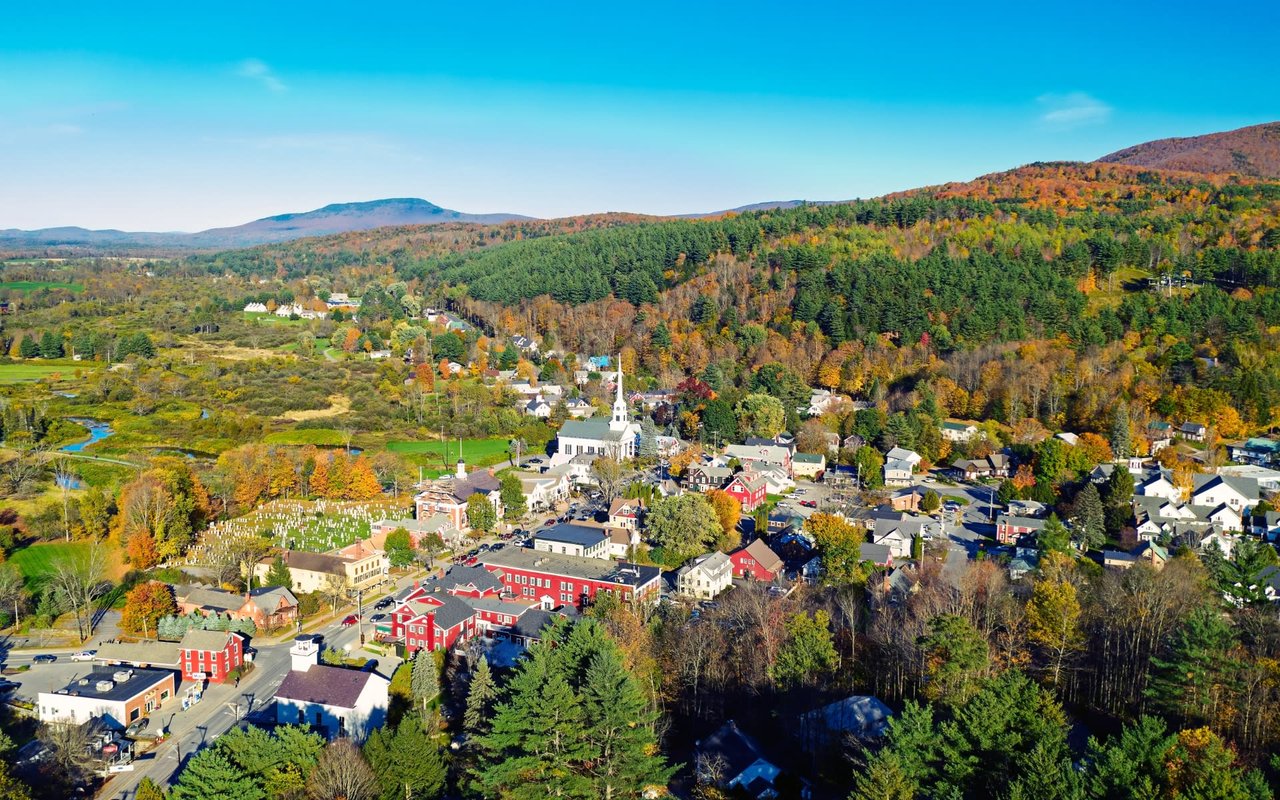
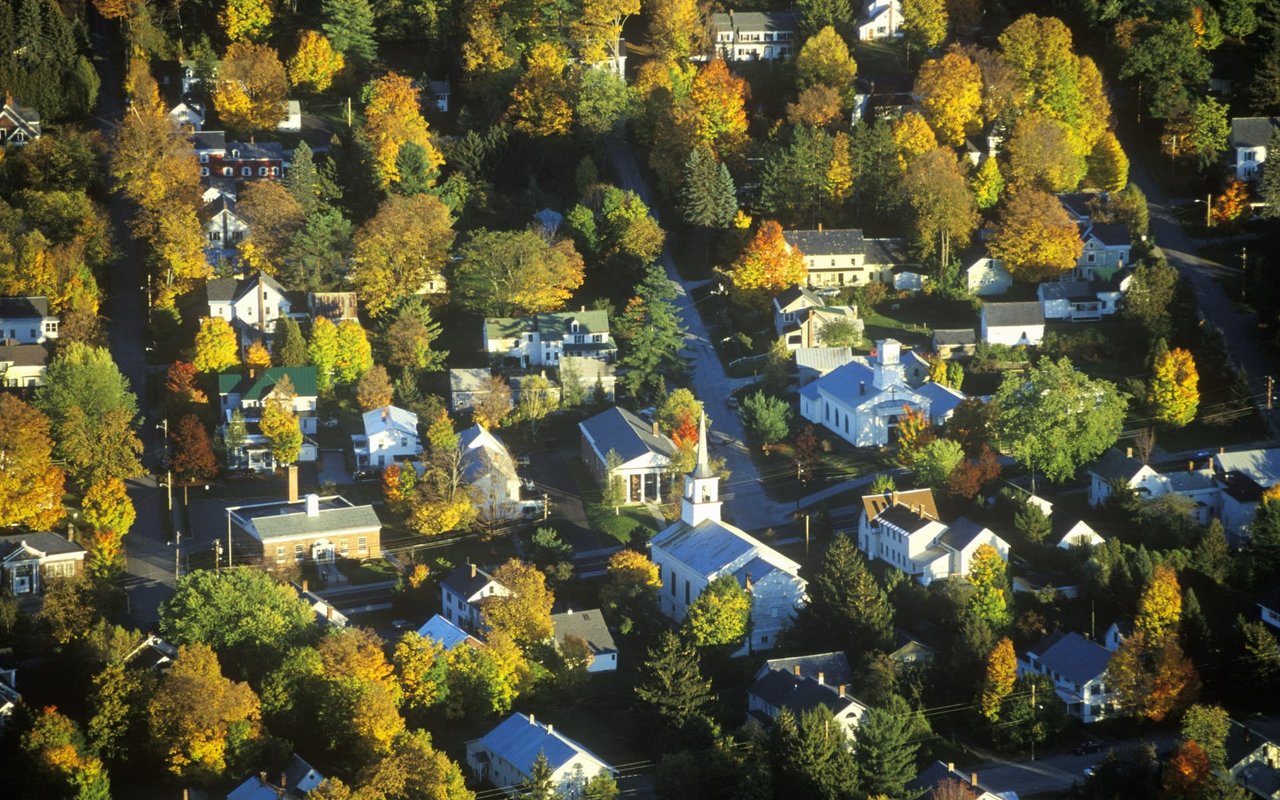
Morrisville is the village center of Morristown in Lamoille County. It serves as a small regional hub with local shops, health services, and quick access to outdoor destinations like Stowe and the Lamoille Valley trail network.
In small Vermont markets, condo options are more limited than in cities. You will see a mix of historic village homes, newer homes outside the core, and a smaller number of condo or townhome communities. Inventory can shift quickly, and days on market can vary year to year.
Condos and houses can trade at different price points even within the same neighborhood. Compare recent sales in the last 6 to 12 months, and look at price per square foot and per bedroom. Adjust for lot size, condition, and heating systems, since these affect both value and operating costs in Vermont’s climate.
Your annual property tax is based on the town’s assessment and local tax rates. Each condo unit is usually assessed individually. Ask how the assessment treats common areas, and verify current rates with the local assessor. Taxes are a meaningful recurring cost, so include them in your monthly budget.
Condo HOA dues usually cover a master insurance policy for the building, common area maintenance, snow removal, landscaping, exterior repairs, and contributions to reserves. Some associations include water, sewer, and trash. In non-resort settings, dues can be modest to moderate, while full-service or resort-proximate complexes may be higher.
The most important item to review is the reserve health. Request the current budget, recent financials, and any reserve study. Frequent special assessments or low reserves are red flags that can raise your effective monthly cost.
Homeowners of single-family houses typically carry a standard HO-3 policy that covers the structure, contents, and liability. Condo owners usually carry an HO-6 policy that covers interior finishes, contents, and liability, while the building exterior is insured by the HOA’s master policy. Confirm who pays the master policy deductible if there is a claim and what parts of your unit you are responsible for.
With a house, you handle all exterior upkeep, from roof and siding to driveway, septic or sewer lines, landscaping, and snow removal. A common rule of thumb is 1 to 3 percent of the home’s value per year for maintenance, but Vermont’s weather can push costs higher in certain years.
With a condo, many exterior and seasonal tasks are included in HOA dues. This can reduce your time commitment and make costs more predictable, although you still maintain the interior and any in-unit systems like a boiler.
Winters are cold, so heating is a major expense. Costs vary by fuel type, insulation, and system efficiency. Some condos include heat or water in the dues. Ask for 12-month utility histories when available, and note the age and type of heating equipment.
You can use conventional, FHA, VA, USDA, or VHFA programs, depending on eligibility and property type. Lenders may require additional documentation for condos. Projects with low owner-occupancy or limited paperwork can be harder to finance. For condos, ask early about project approvals, any transfer or move-in fees, and whether there are outstanding assessments.
Vermont’s homestead declarations and related rules can affect your property tax bill. If you plan to occupy the home as a primary residence, confirm current requirements with the Vermont Department of Taxes and the town assessor.
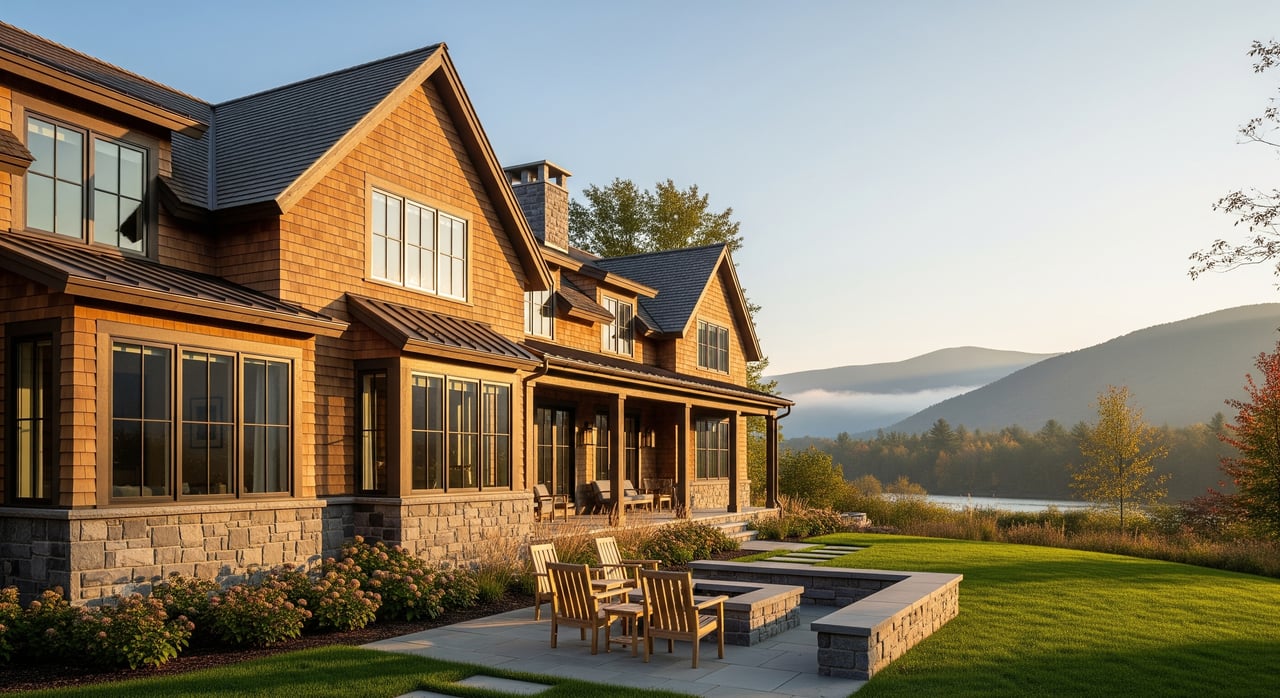
Houses typically deliver more interior and exterior space, storage, and yard area. That can suit pets, hobbies, gardens, or long-term plans.
Condos often offer less private outdoor space but deliver simpler living, especially if you prefer a lock-and-leave setup for travel or weekend mountain time.
If you would rather not spend weekends on snow removal, roof checks, or landscaping, a condo can be appealing. If you enjoy projects or want full control over your property, a house fits better.
Condo communities operate under HOA rules. These can cover pets, rentals, parking, and exterior changes. Rules help preserve property appearance but may limit certain choices. Single-family homes offer more autonomy, balanced by the need to coordinate all maintenance yourself.
Condos near the village core may have assigned or limited parking and less storage. Houses often have driveways, garages, and flexible storage options.
Shared walls or floors in condos can introduce noise. Construction quality and neighbor behavior matter. Stand-alone houses offer more separation by design.
Snow and ice management is real in winter. If your HOA covers it, that is one less task to handle. If you work from home, verify broadband speeds on the specific street. Do not assume coverage is uniform across town.
If you plan to rent short term, verify both HOA policies and local rules before you buy. Many associations restrict or prohibit short-term rentals. In resort-adjacent locations, demand can be strong, but compliance is essential.
Use this checklist for each property you compare:
Request and review these items before you commit:
Collect recent service and repair records for roof, heating, and major systems. Confirm municipal sewer vs private septic, and get septic documentation if applicable. Ask about any energy audits or weatherization work that can reduce winter costs.
If you are preparing to sell, get ahead of buyer questions. Condo sellers should gather current association documents, budgets, insurance certificates, and meeting minutes. House sellers should organize service records and disclose any known issues. Clear, organized information helps attract serious buyers and smooths the path to closing.
Start with your must-haves. If you want a yard, space for gear, and maximum control, a house is likely the better fit. If you prefer convenience, predictable exterior costs, and lock-and-leave flexibility, a condo may win.
Run the monthly numbers for both options. In many cases the best choice comes down to how you value time, convenience, and outdoor space rather than a small difference in monthly cost. A local advisor can help you confirm realistic operating expenses for each property you are considering.
Whether you are weighing a low-maintenance condo near the village or a home with room to grow outside the core, local insight matters. Our team knows the nuances of condo documents, heating systems that work in this climate, and the tradeoffs between HOA coverage and do-it-yourself ownership. If you want a clear, side-by-side view of your best options in Morristown and greater Lamoille County, reach out to the professionals at Coldwell Banker Carlson Real Estate.
If you’re looking for the largest selection of real estate available in our area, you’ve come to the right place and we’re here to help you.