Relocating to Hyde Park: Commutes, Weather, Daily Life
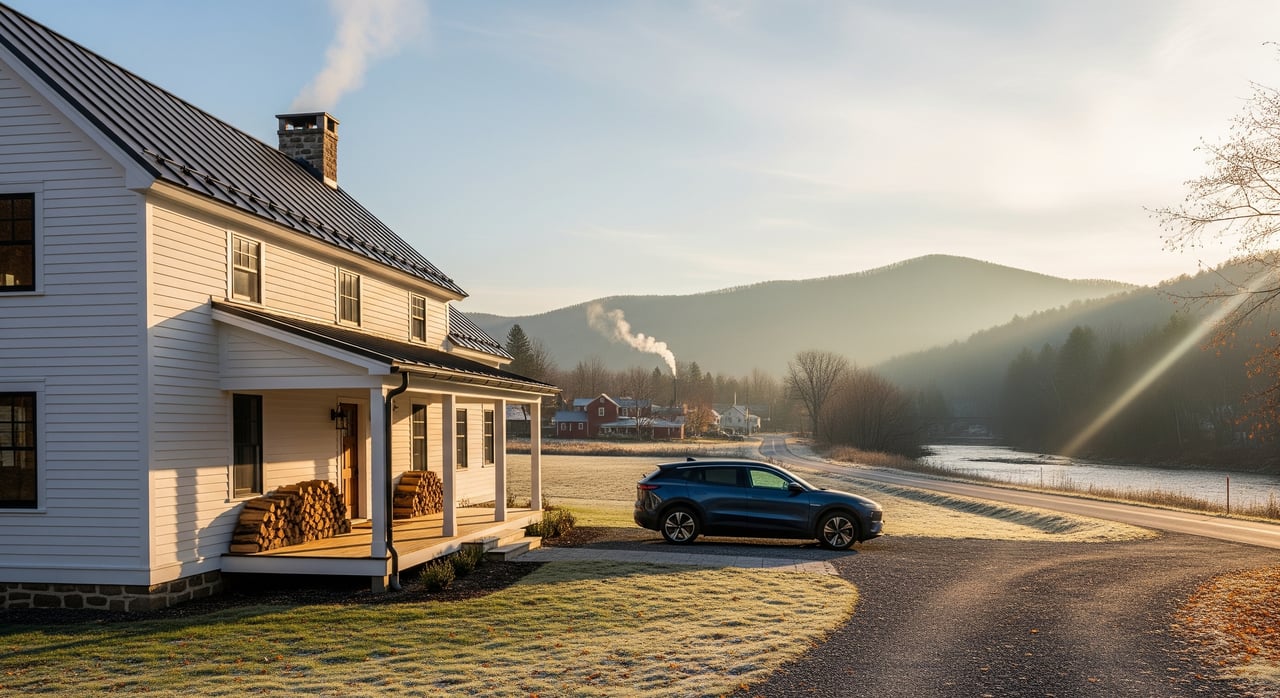
Thinking about trading city pace for mountain air without giving up everyday convenience? If Hyde Park, Vermont is on your radar, you are not alone. Many people choose this small Lamoille County town for its rural feel, access to outdoor fun, and proximity to regional job centers. In this guide, you will learn about commute options, seasonal weather, daily services, and key housing tips to help you relocate with confidence. Let’s dive in.
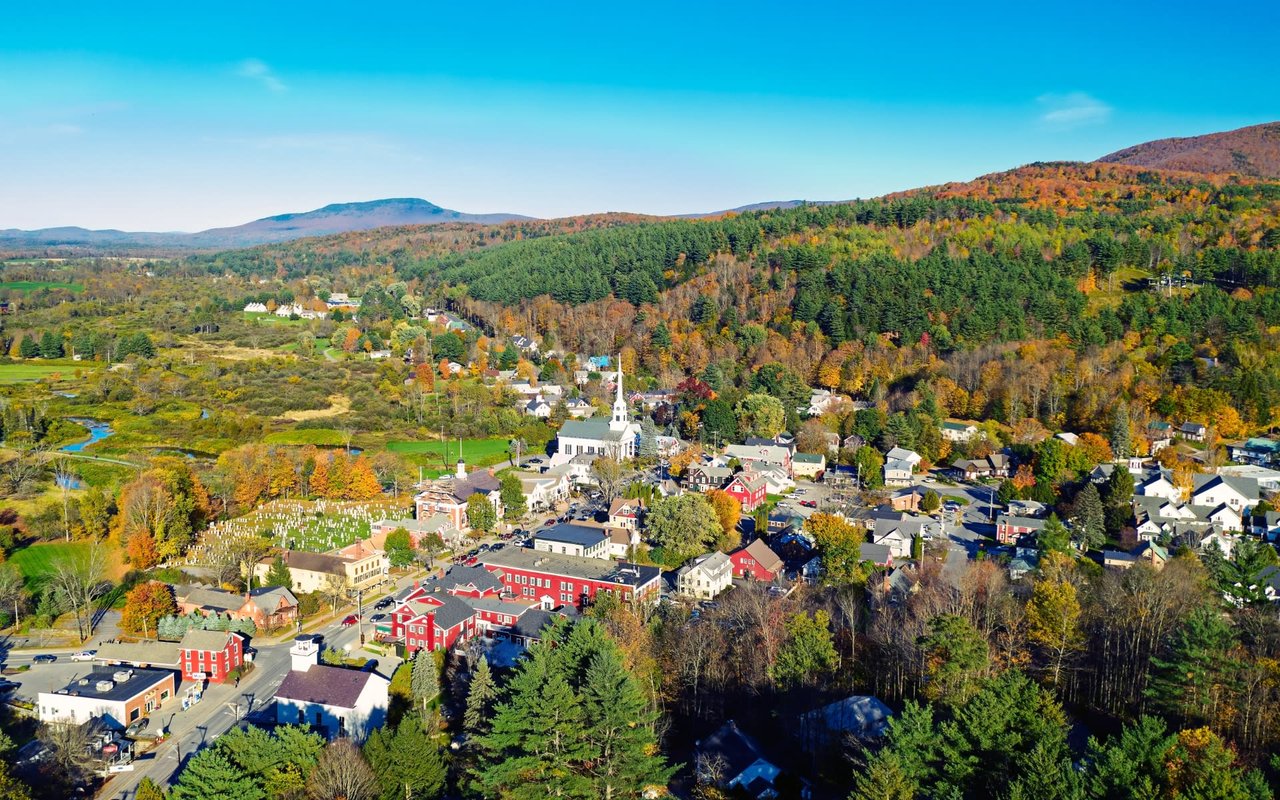
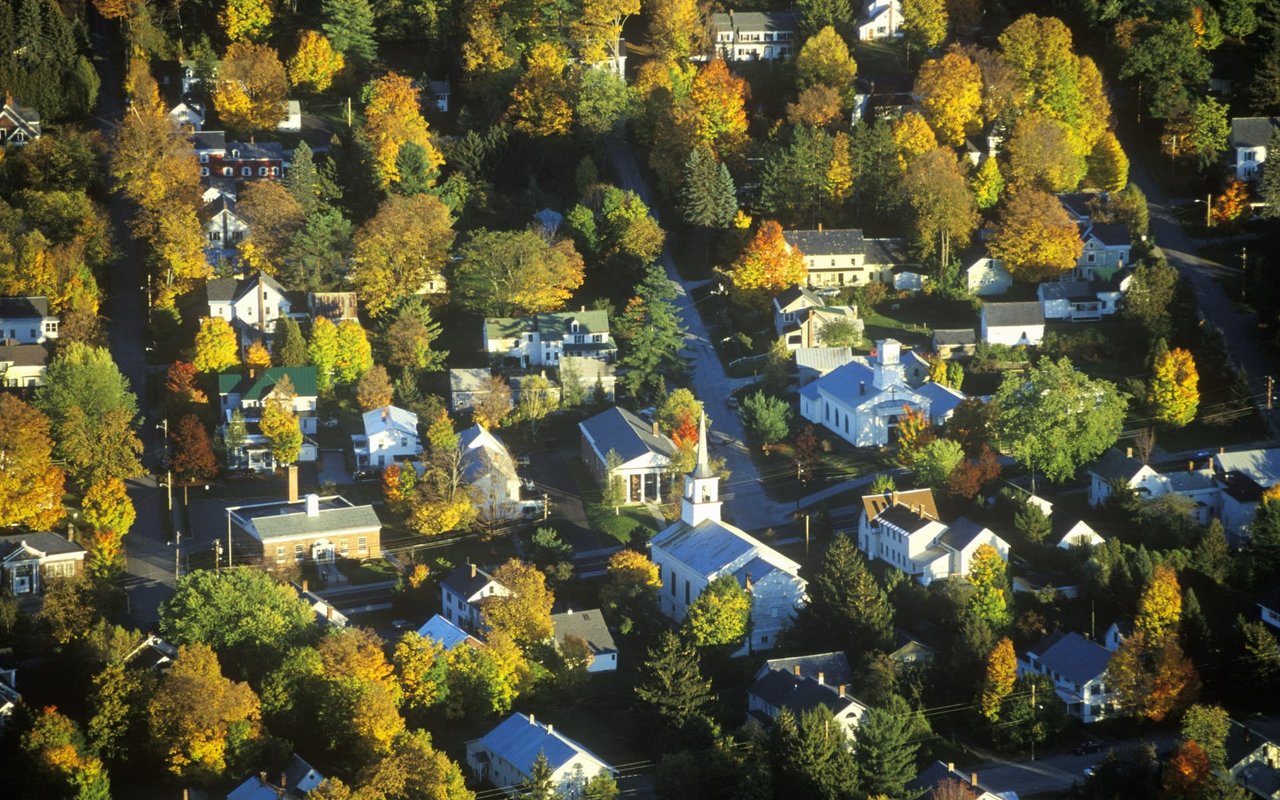
Hyde Park is the county seat of Lamoille County in northern Vermont. You are close to Morrisville for groceries and services, with Johnson, Stowe, Montpelier, and Burlington within driving range. The local economy blends government services, education, healthcare, small retail, and tourism that ties to the Stowe area and the northern Green Mountains. Expect a small-town lifestyle with regional commuting.
Two state routes run the show here: Vermont Route 15 and Vermont Route 100. They connect Hyde Park to Morrisville, Johnson, Stowe, and other nearby towns, and link you toward I-89. Approximate drive times in normal, dry conditions are:
Drive times can stretch during winter weather and peak tourist seasons, especially on mountain corridors. Always check live mapping and consider a test run at your typical commute hour.
Fixed-route public transit is limited in rural Vermont. Some regional and seasonal bus services connect Morrisville and Stowe with larger hubs, and there are demand-response options for seniors and riders with mobility needs. Rideshare platforms have a lighter presence outside the Burlington metro. For daily commuting, most residents rely on a personal vehicle.
Snow and ice are part of life here. Quality winter tires, an emergency kit, and a regular snow-removal plan are smart moves. Expect heavier traffic around ski season and winter holidays, plus occasional delays from weather on narrow mountain roads.
Winters are cold and snowy from roughly December through March. Nighttime lows are often below freezing, and cold snaps are common. Plan for routine snow removal, careful driving, and higher heating use.
Spring can swing from late snow to quick melt. “Mud season” affects dirt roads and driveways, which can limit access and slow outdoor projects. If you are buying a rural property, consider how spring conditions will affect your road and drainage.
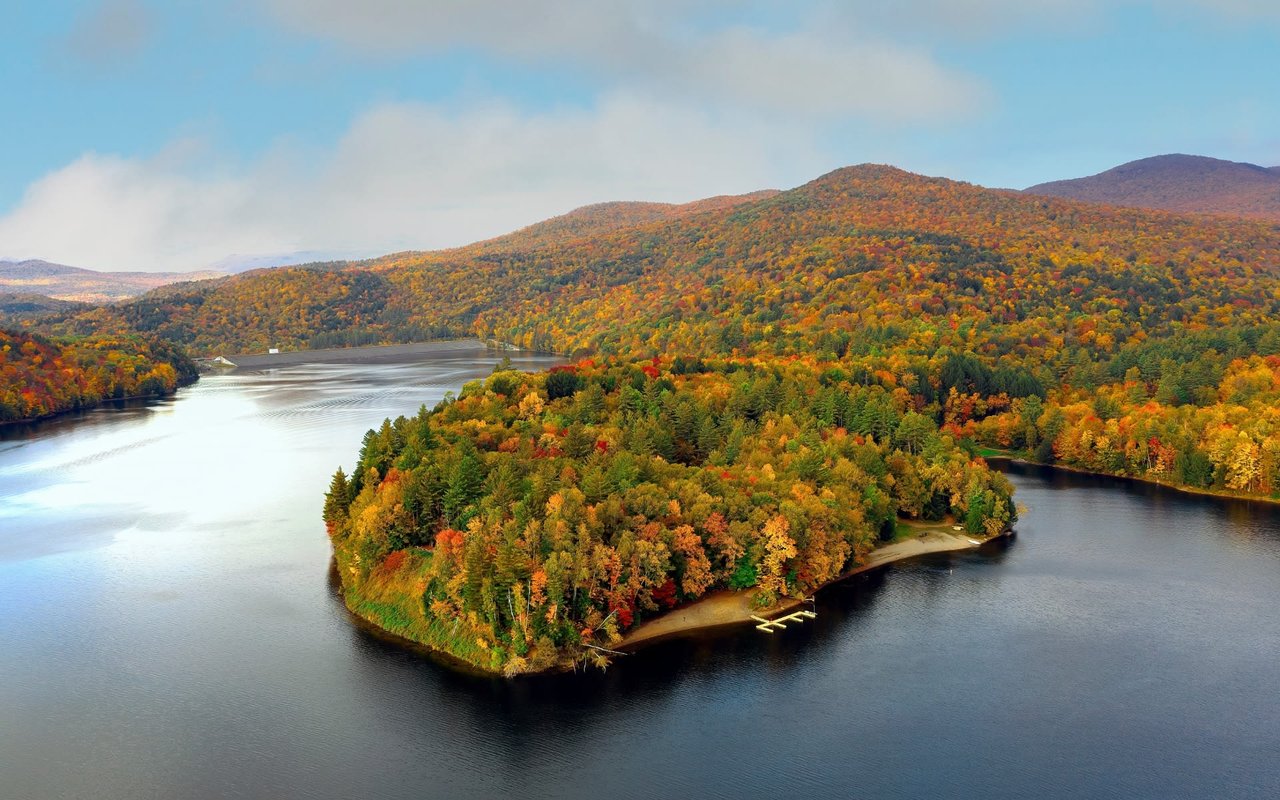
Summer days are warm and generally mild, with many days in the 70s to 80s Fahrenheit and comfortable evenings. Fall brings crisp weather and peak foliage from late September into October. Outdoor recreation stays strong through both seasons.
You will find clinics and a regional hospital in the Morrisville area for primary care and common needs. For specialized treatments or larger hospitals, trips to Burlington or Montpelier are typical. Fire services often include volunteer departments, and EMS responds regionally. If you are considering a remote property, ask about ambulance coverage and typical response times.
Public schools serve towns across Lamoille County, with elementary and high school options in nearby communities such as Morrisville and Johnson. Boundaries and offerings can change, so confirm current information with the Vermont Agency of Education and local district sites. Childcare can be limited in rural areas, so start your search early if you are moving with young children.
For day-to-day needs, you will rely on Morrisville’s larger grocery stores and Hyde Park’s local shops. Banking, postal services, and municipal offices are nearby. For deeper retail and specialty items, Burlington is the main destination within driving distance.
Outdoor life is a highlight. You have quick access to skiing at Stowe and Smugglers’ Notch, hiking in the Green Mountains, mountain biking, and paddling or fishing on local waterways. The Lamoille Valley Rail Trail continues to grow as a multi-use path. Seasonal festivals, farm stands, and craft breweries add to the local rhythm.
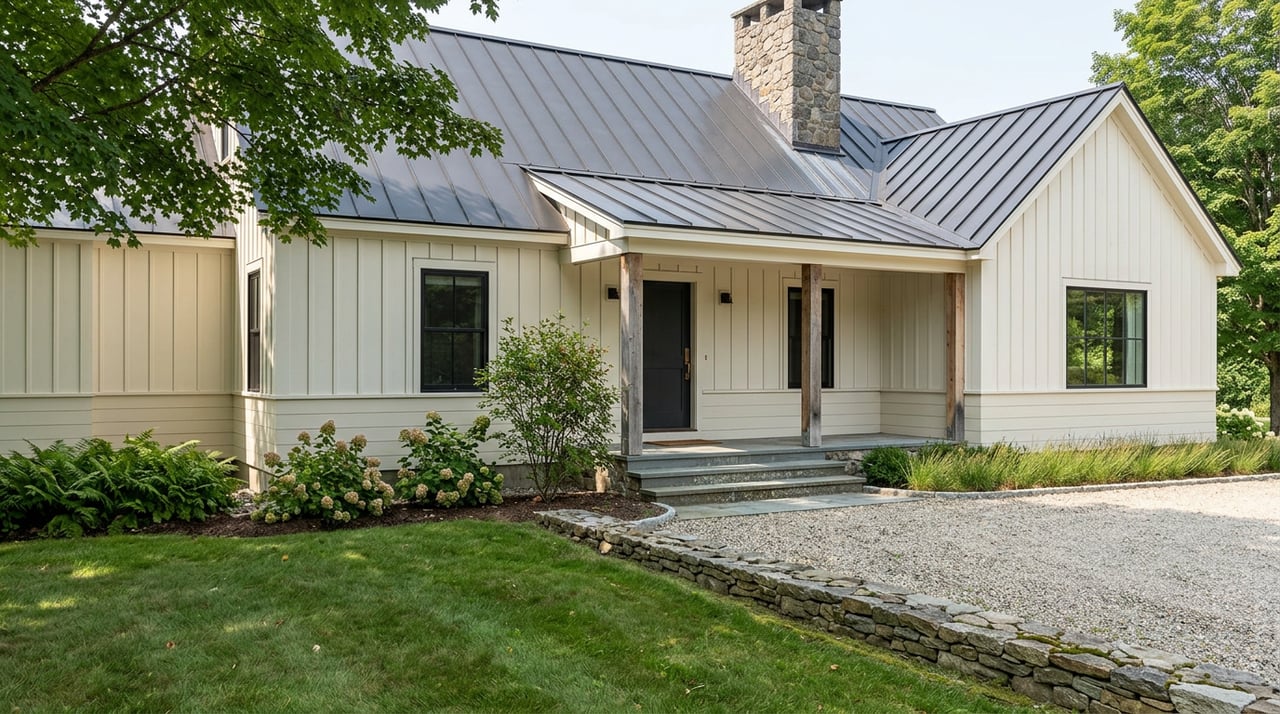
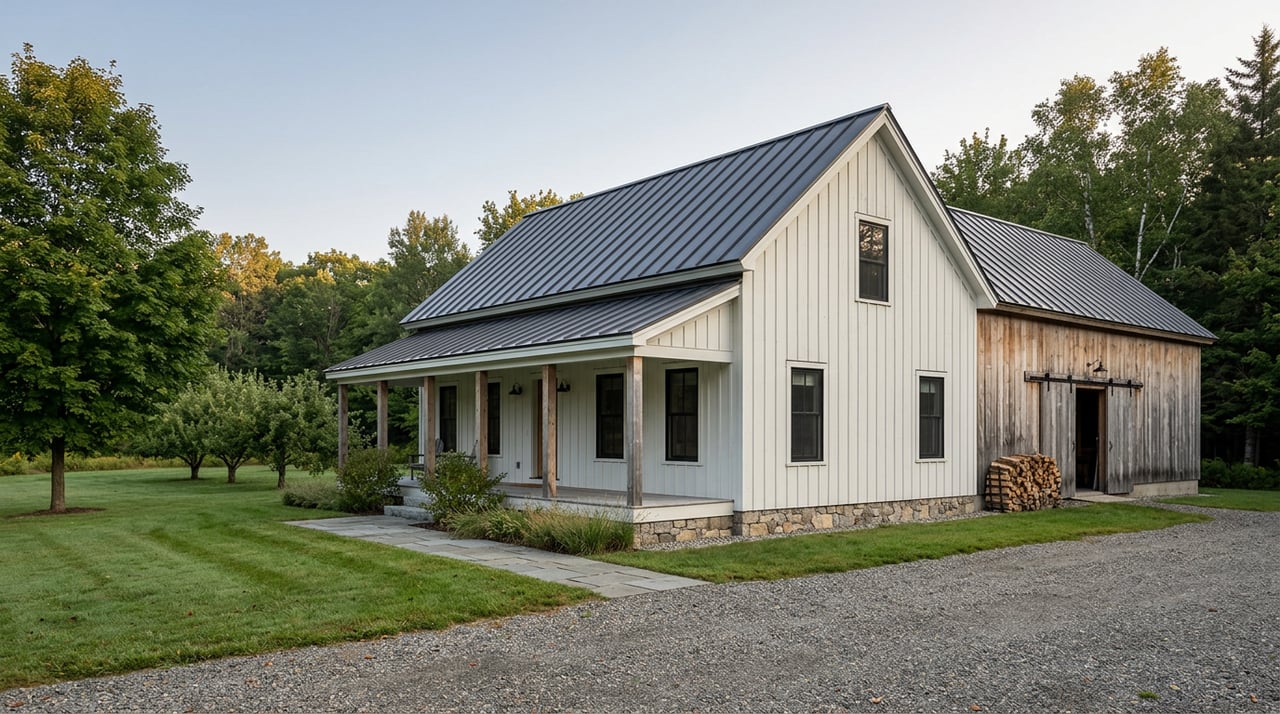
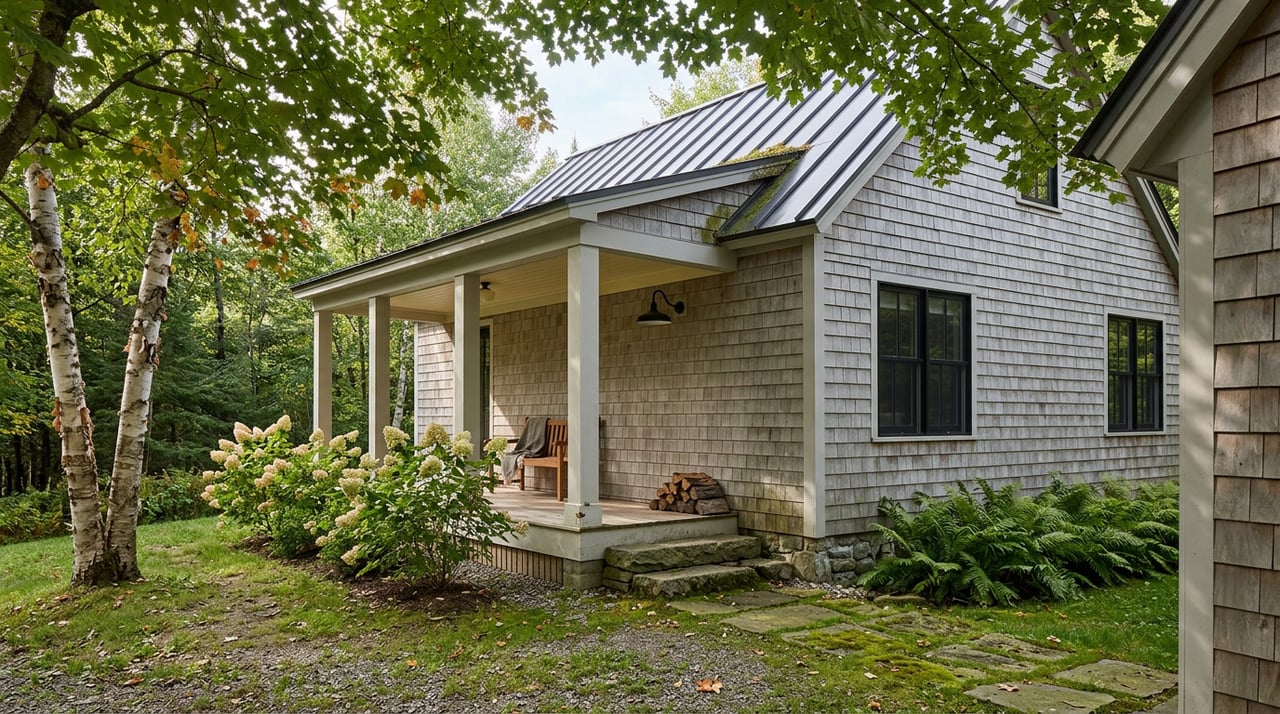
Housing includes older New England homes, mobile homes, and newer single-family builds. Closer to ski areas, you will see more seasonal and vacation properties. Prices and inventory vary with tourism demand and broader Vermont trends. Ask your local agent for current market data and micro-market insights.
Heating systems range from oil and propane to wood, pellet, electric, or heat pumps. Schedule fuel deliveries early in the season and know your tank size and location. Ask for recent utility bills to estimate usage and plan upgrades for efficiency.
Internet availability varies by road and elevation. Fiber is expanding in parts of rural Vermont, but some properties rely on DSL, fixed wireless, or satellite. Before you make an offer, check address-level coverage with providers and review state or federal broadband maps for the latest buildouts.
Moving in winter works with the right plan. Coordinate plowing and sand for driveways, and confirm a clear path for moving trucks. Protect floors and doorways from slush and salt, and keep a space heater handy during load-in.
If your road is unpaved, spring can complicate access. Heavier trucks may be limited during thaws. Plan a flexible schedule and consider temporary parking at a more stable location if conditions are soft.
If you are relocating with students, align your timeline with enrollment deadlines. Build in time to confirm district assignments and transportation logistics.
Most carriers serve the area, but remote roads and weather can stretch delivery windows. If you are ordering appliances or large furniture, buffer your timeline and confirm driveway access.
If you want a small-town base with strong outdoor access and manageable regional commutes, Hyde Park delivers. You will trade city speed for more breathing room, four true seasons, and a close connection to the Green Mountains. With the right home, systems, and commute plan, daily life here is steady, scenic, and practical.
Ready to explore homes and neighborhoods in Hyde Park and across Lamoille County? Connect with the local team at Coldwell Banker Carlson Real Estate for property guidance, market insight, and on-the-ground support.
If you’re looking for the largest selection of real estate available in our area, you’ve come to the right place and we’re here to help you.